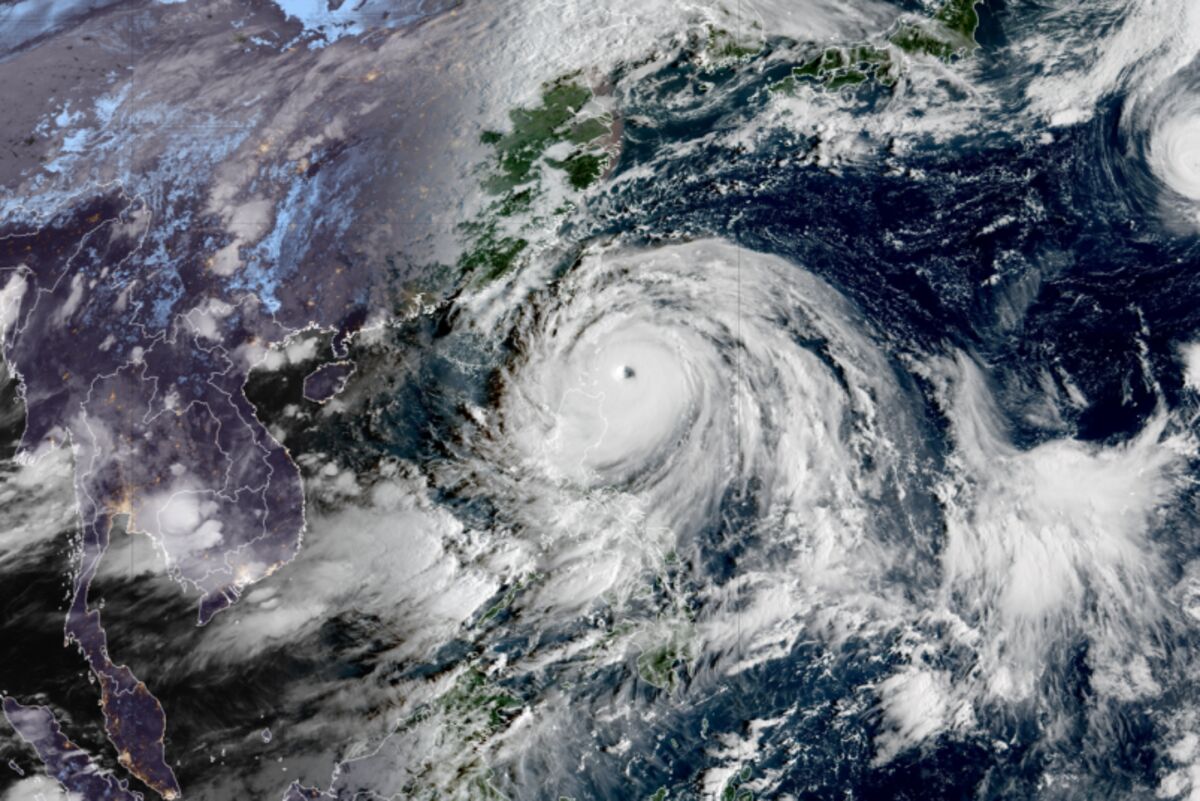
Hong Kong International Airport is contemplating an unprecedented 36-hour grounding of all passenger flights, from Tuesday evening through Thursday morning, as Super Typhoon Ragasa, one of the strongest in years, approaches the financial hub. This potential closure marks the longest in recent history, signaling significant operational disruption for a critical Asian transport and logistics node, with potential implications for regional supply chains and aviation sector performance.
Hong Kong International Airport is contemplating an unprecedented 36-hour shutdown of all passenger flights, the longest in its recent history, as it prepares for the arrival of Super Typhoon Ragasa. This potential grounding from Tuesday evening to Thursday morning signifies a major disruption for a critical Asian transport and logistics hub. The immediate financial consequences will be felt by airlines operating at the airport, which face lost passenger and cargo revenue and increased costs from widespread cancellations. Furthermore, the closure is expected to create significant friction in regional supply chains, leading to backlogs and delays for time-sensitive air freight. The 'strongly negative' sentiment signal (-0.6) underscores the severity of this operational halt, while the moderate market impact score (0.55) suggests the market may be pricing this in as a potent but short-term, sector-specific event rather than a systemic risk.
AI-powered research, real-time alerts, and portfolio analytics for institutional investors.
Request DemoOverall Sentiment
strongly negative
Sentiment Score
-0.60
