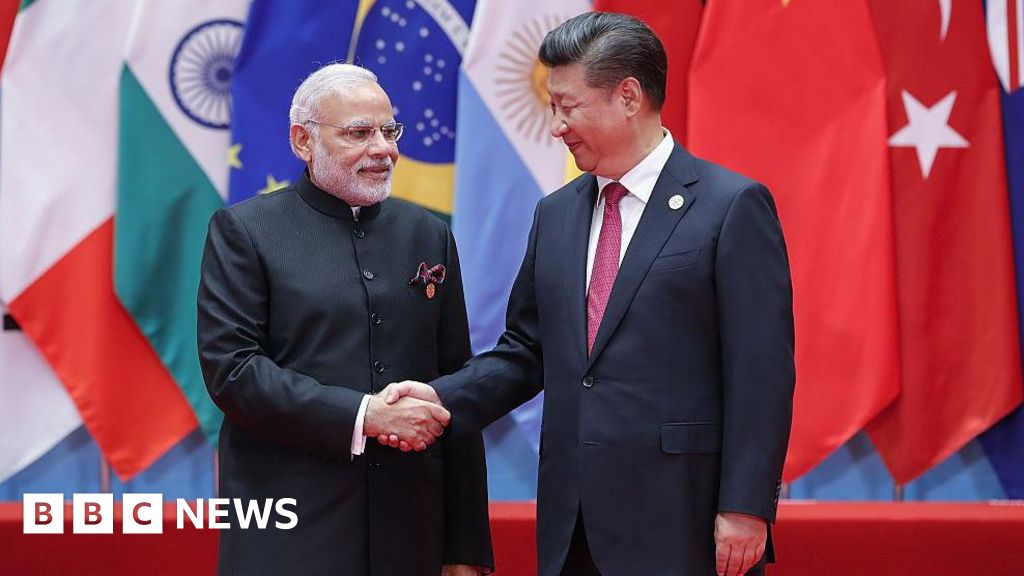
India and China are cautiously moving to reset bilateral ties after years of border tensions, driven by mutual economic imperatives and shifting geopolitical dynamics. Recent measures, including restored direct flights and eased visa curbs, signal a pragmatic de-escalation, but significant challenges persist, notably unresolved territorial disputes and China's strategic use of trade as leverage. This cautious rapprochement reflects both nations' desire to manage regional stability and secure economic interests amidst evolving global alliances, rather than relying on external power blocs.
India and China are engaging in a cautious and pragmatic de-escalation of tensions, driven primarily by mutual economic interests and a shifting geopolitical landscape. This tentative thaw is evidenced by the resumption of high-level official visits, the restoration of direct flights, and the easing of visa restrictions imposed after the 2020 Galwan valley clash. The economic stakes are significant, with bilateral trade exceeding $127 billion last year, and India's heavy reliance on Chinese imports, notably rare earth minerals, makes border stability an economic imperative. However, this rapprochement is tactical rather than strategic, as fundamental issues persist. The 3,440km border remains disputed, and China has demonstrated its willingness to use economic leverage, recently suspending exports of critical materials like rare earth magnets and fertilizers, which directly threatens India's manufacturing and agricultural sectors. The geopolitical calculus is complex; India is recalibrating its foreign policy amid perceived unpredictability from the U.S. under the Trump administration and Russia's increasing alignment with Beijing, pushing New Delhi towards a more independent path. Simultaneously, China seeks a stable Himalayan border to focus on other strategic priorities like Taiwan, while aiming to draw India away from Western alliances. The overall situation reflects a fragile working relationship, underscored by deep-seated mistrust and unresolved territorial claims, such as over Arunachal Pradesh, indicating that the risk of future friction remains high despite current efforts to stabilize ties.
AI-powered research, real-time alerts, and portfolio analytics for institutional investors.
Overall Sentiment
mildly negative
Sentiment Score
-0.30
