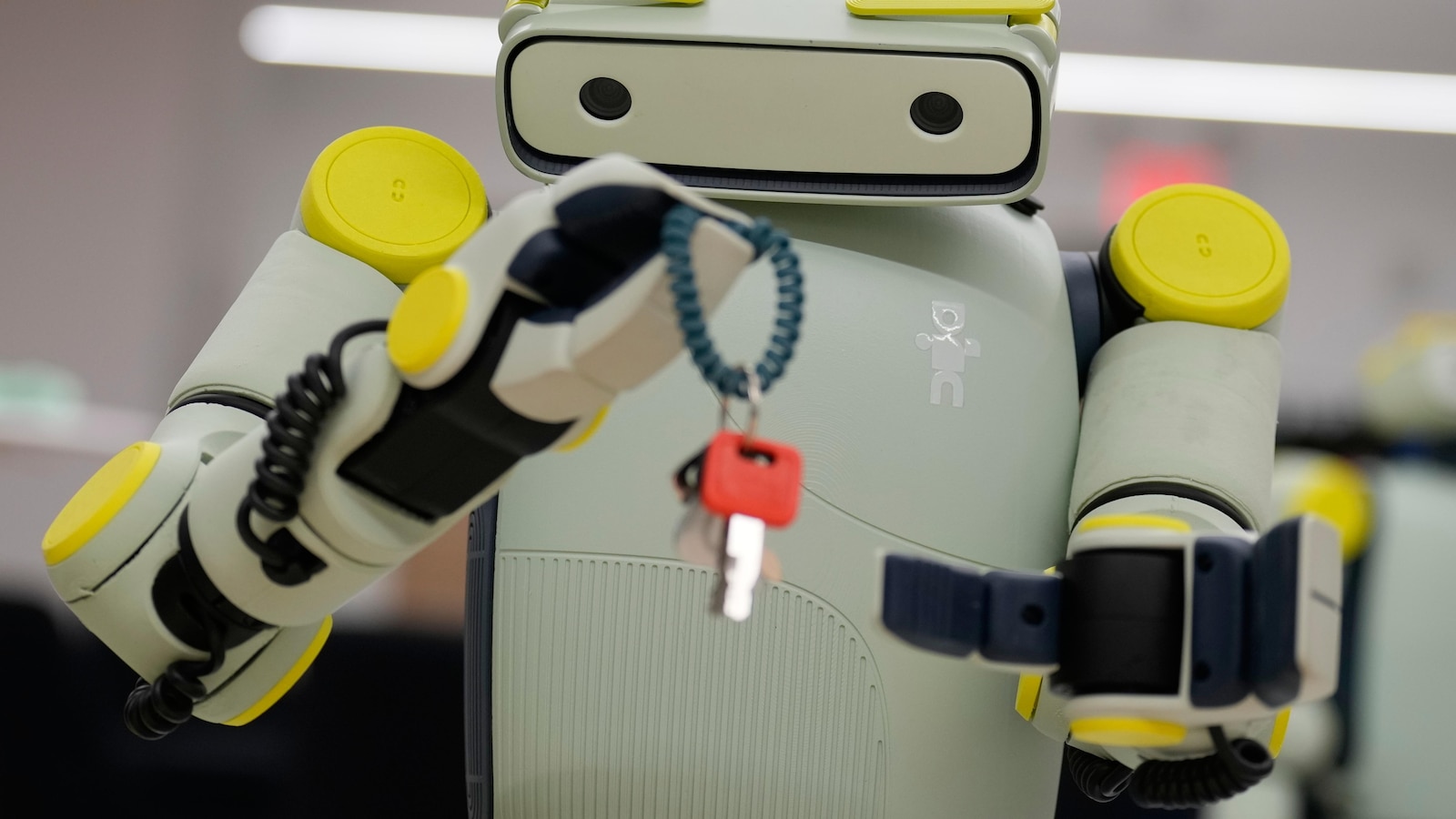
Amazon has acquired Fauna Robotics (terms undisclosed), adding the Sprout humanoid — a 1.5-foot-tall, rectangular-headed social robot sold as a $50,000 developer platform for academic and corporate labs. Fauna will operate as an Amazon company in New York with founders and employees joining Amazon, expanding its consumer-robotics footprint alongside its >1M warehouse robots and Alexa presence after Amazon’s aborted iRobot deal in 2024.
This deal is less about hardware and more about buying a developer ecosystem, human-robot interaction datasets, and a rapid prototyping funnel that feeds higher-margin software and cloud services. Expect the primary value capture to be through platform monetization (developer tooling, cloud compute, skill marketplaces) and richer training data for multimodal conversational agents; those revenue lines typically show up as gross margin expansion on a 12–36 month cadence rather than immediate device P&L improvements.
Supply-chain winners will be component and compute suppliers for low‑power edge inference (servo motors, camera modules, MEMS IMUs, small AI accelerators), creating lumpy demand spikes that benefit niche suppliers more than volume OSATs. Competitors with strong consumer ecosystems (voice assistants, streaming platforms, education content) will either partner quickly or accelerate defensive product roadmaps — that raises R&D spend for incumbents over the next 12–24 months and compresses margins for smaller robotics pure-plays.
Key tail-risks are regulatory and safety incidents that can freeze deployments and throttle data flows; privacy enforcement or an early high‑profile malfunction would flip the narrative within days and could trigger meaningful negative guidance revisions within one quarter. Watch developer retention metrics, enterprise pilot conversions, and early user safety/usage telemetry as leading indicators — positive trends in those signals create optionality for aggressive monetization in years 2–4, while deterioration suggests the acquisition will be written down or reprioritized.
AI-powered research, real-time alerts, and portfolio analytics for institutional investors.
Overall Sentiment
mildly positive
Sentiment Score
0.30
Ticker Sentiment
