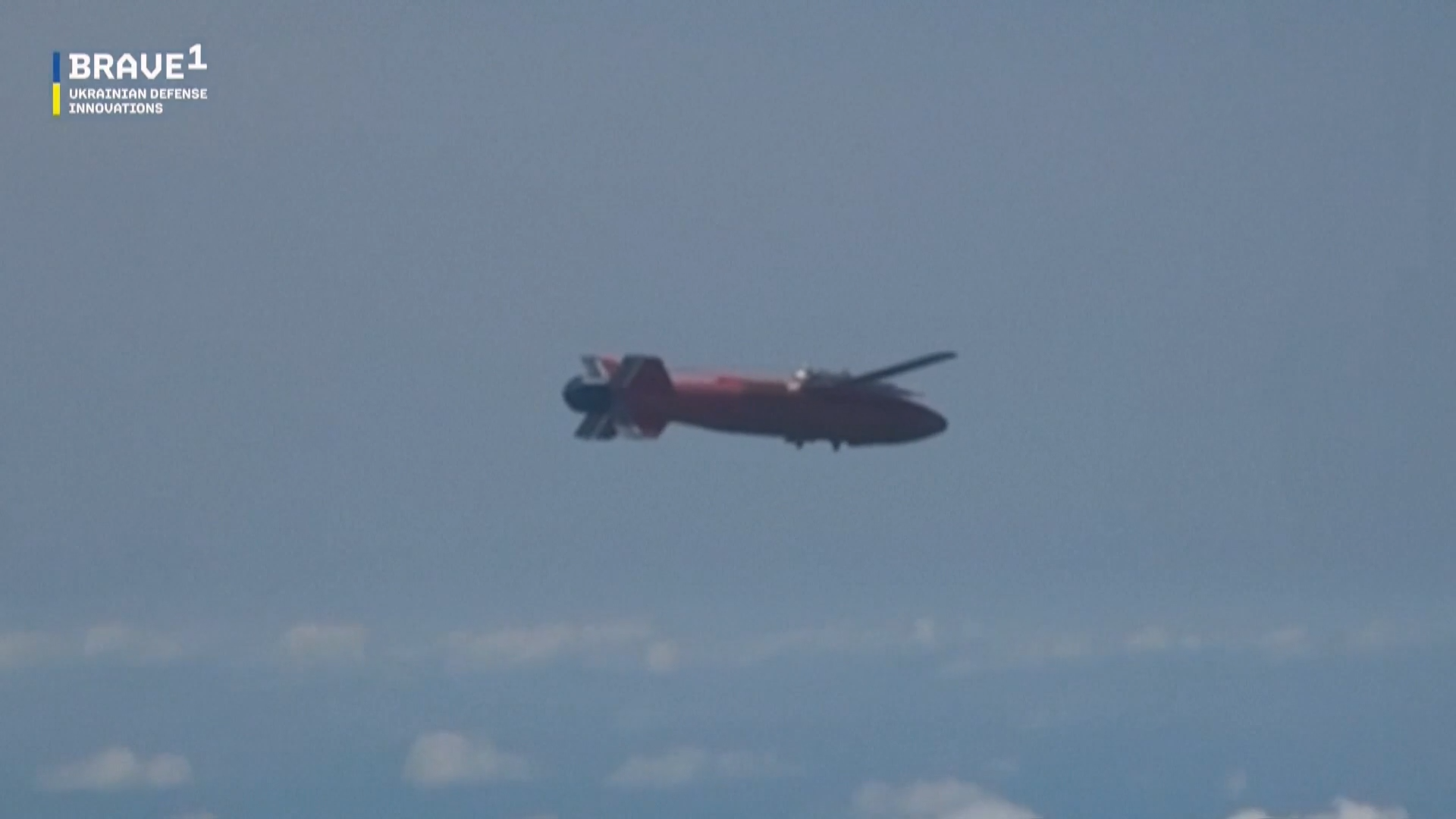
Ukraine launched one of its largest aerial assaults of the war, with hundreds of long-range drones striking multiple sites near Moscow, including a major oil refinery and microchip manufacturing plants. The attack targets both energy and industrial infrastructure deep inside Russia, raising geopolitical and supply-chain risk. The scale and location of the strikes make this a potentially market-moving escalation.
The immediate market read is not just higher geopolitical risk, but a higher probability of persistent infrastructure attrition. Strikes that reach deep into the adversary’s industrial core raise the expected cost of doing business for energy and high-tech supply chains, which tends to reprice through insurance, freight, and capex before it shows up in headline commodity moves. The second-order effect is that any Russian response is more likely to target grid, logistics, or refining nodes rather than pure battlefield assets, which keeps the risk premium elevated for weeks rather than days.
The biggest relative beneficiaries are Western defense primes, counter-drone, EW, and perimeter-security vendors, because each successful penetration validates additional procurement and faster budget approvals. Energy is more nuanced: disruption risk supports refined-product spreads and crude volatility, but a refinery hit in one geography can tighten diesel and jet margins globally without sustainably lifting upstream crude. That creates a cleaner trade in downstream refining and logistics than in broad-brush oil beta.
The contrarian view is that the move may be under-discounting escalation control. If both sides are still optimizing around infrastructure signaling rather than systemic escalation, the market could fade the risk premium within 2–4 weeks once immediate damage assessments show limited throughput loss. The bigger medium-term winner may be non-Russian semiconductor and industrial capex suppliers, because attacks on microelectronics capacity reinforce the strategic logic for onshoring and redundant manufacturing, even if the near-term equity reaction stays risk-off.
Watch for two catalysts: a visible Russian retaliation against energy/transmission assets within days, and any subsequent Western air-defense or counter-UAS package within 1–2 months. If either appears, the trade shifts from one-off headline risk to a persistent defense-spend and infrastructure-hardening cycle that can last multiple quarters.
AI-powered research, real-time alerts, and portfolio analytics for institutional investors.
Request DemoOverall Sentiment
strongly negative
Sentiment Score
-0.65
