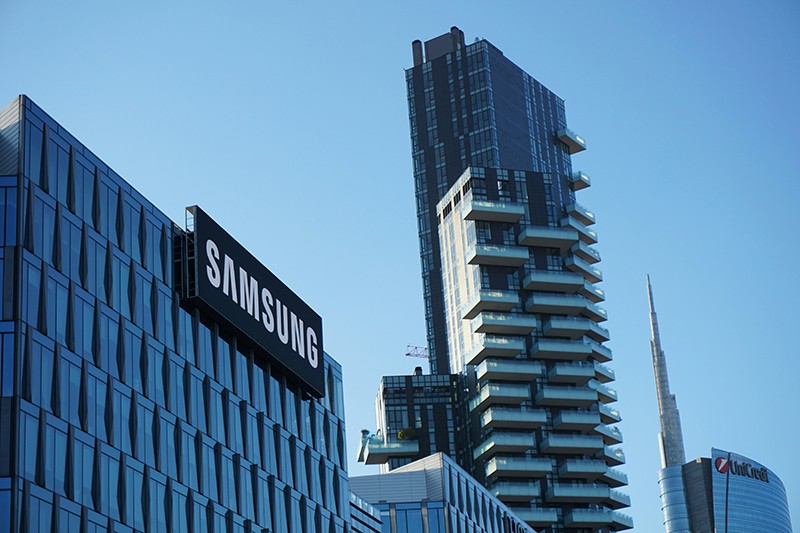
Samsung launched Samsung Browser for Windows with built‑in agentic AI (partnering with Perplexity) and cross‑device continuity, plus Samsung Pass integration; agentic AI features are currently supported in South Korea and the United States. Key product capabilities include natural‑language page/context understanding, multi‑tab summarization, video timestamp search, and Windows 10/11 availability (requires latest Samsung Account and Continuity Service/Galaxy Connect); initial device support includes Galaxy Book3–6 series. The release strengthens Samsung's ecosystem and consumer services positioning but is unlikely to have a material near‑term impact on Samsung Electronics' stock or revenue beyond modest engagement and services upside.
This initiative materially changes distribution and vendor incentives around where and how users access model-driven answers. By lowering friction for an OEM-aligned agent, the most immediate supply-side winners are cloud infra and inference compute providers: even a single large vendor driving a few percentage points of incremental API traffic can shift quarterly capacity utilization and pricing leverage in favor of AWS/GCP/Azure and GPU suppliers. Incumbent search-and-browser incumbents face a two-front play — defensive bundling (higher capex/traffic costs) or monetization redesign that could compress ad yields per click.
Primary near-term risks are trust and regulation rather than pure product-market fit. Hallucinations, data routing to third parties, or a high-profile privacy incident could cut adoption rates by 30–50% inside 3–12 months and trigger regulator scrutiny that constrains feature rollout or forces data-localization costs. Competitive response timing is the key catalyst: if a dominant OS/browser vendor bundles a comparable agent into defaults within 2–4 quarters, the incremental window for ecosystem capture narrows dramatically.
Second-order effects worth watching: publishers and e-commerce sellers could see lower organic click-through, pushing more spend into paid placements and affiliate models; cybersecurity vendors should see higher demand for credential-protection and runtime monitoring as agents touch autofill/auth flows. These dynamics create asymmetric opportunities — infrastructure and security capture recurring revenue upside, while ad-dependent intermediaries face margin pressure over 6–18 months.
AI-powered research, real-time alerts, and portfolio analytics for institutional investors.
Request DemoOverall Sentiment
mildly positive
Sentiment Score
0.35
