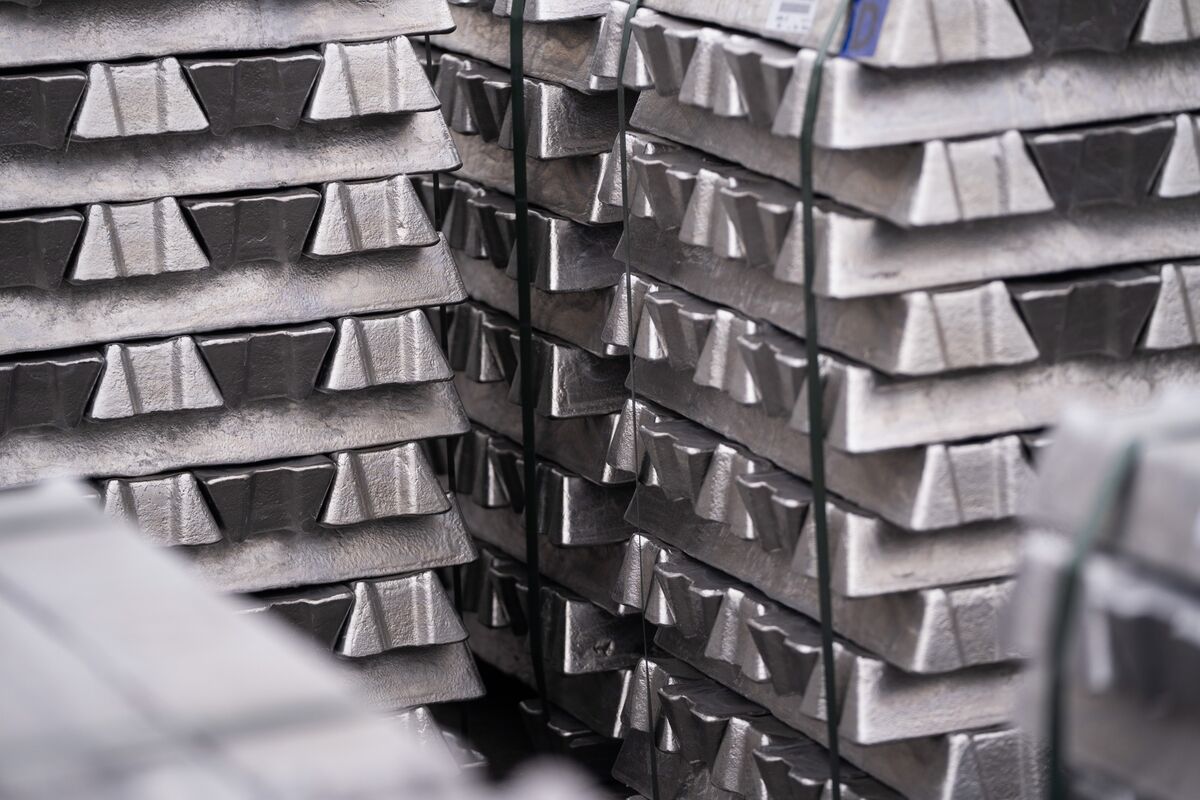
Japanese aluminum premiums rose to an 11-year high as buyers accepted $350/ton for Q2 shipments from Rio Tinto and $353/ton from South32, driven by supply disruptions from the Iran war. This is the highest quarterly premium since 2015 (when it exceeded $400/ton) and is likely to increase input costs and inflationary pressure for metal-using manufacturers.
The immediate winners are upstream sellers with fixed access to export flows and pricing flexibility; they are capturing an idiosyncratic margin uplift that will persist until alternative supply or demand-side substitution rebalances the market. Downstream fabricators in Japan face margin compression over the next 1-3 quarters and will either pass costs into product prices (inflationary impulse) or cut volumes, accelerating inventory drawdown and higher recycle/scrap demand.
Expect the trade/readjustment dynamics to play out along two channels: (1) short-term futures/physical arbitrage where Japanese buyers accelerate hedging and pull prompt metal into local warehouses, tightening LME prompt spreads over weeks; and (2) a 3-12 month structural response where scrap substitution and Chinese restarts can erode the premium if energy/coal costs or policy shifts lower production costs. These mechanisms create asymmetric timing risk — large moves can reverse in weeks if a diplomatic de-escalation or Chinese policy swing occurs, but sustained disruption would force a slower structural rerouting of global flows.
Key catalysts to monitor are near-term geopolitical headlines (days–weeks), LME/warehouse stock flows and prompt spread behavior (weekly), and Chinese policy/energy price signals (1–6 months). The consensus underprices the elasticity of scrap and Chinese aluminum restart potential: if scrap prices rise, secondary supply can ramp faster than producers’ marginal cost forecasts imply, capping upside for producers in 3–9 months. Positioning should therefore be directional but tightly hedged to the fast reversal risk profile.
AI-powered research, real-time alerts, and portfolio analytics for institutional investors.
Overall Sentiment
mildly negative
Sentiment Score
-0.25
Ticker Sentiment
