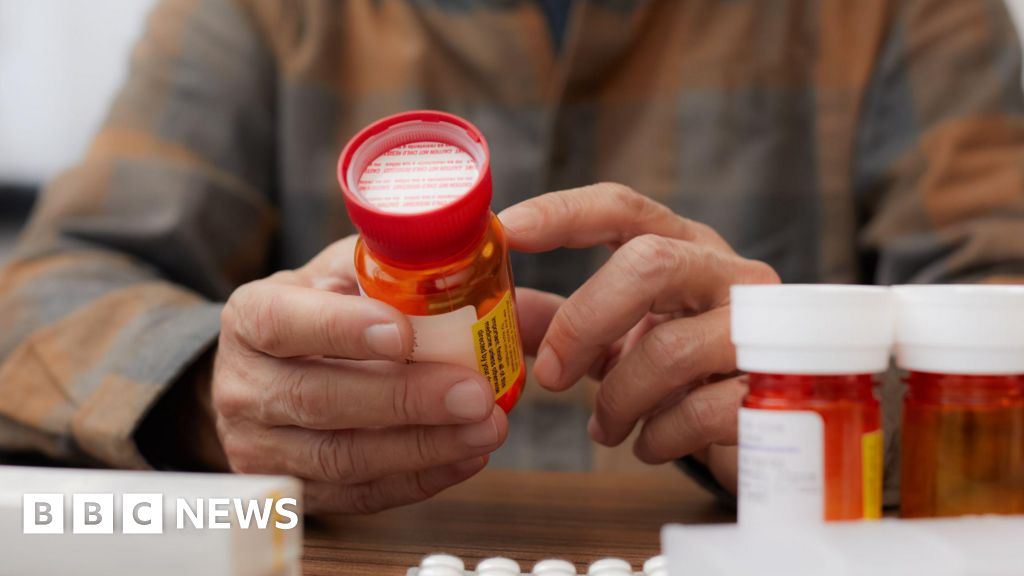
100% tariff on patented medicines entering the US was ordered by President Trump, but firms can avoid the levy by striking pricing/manufacturing deals with the administration; companies that pledge to launch US manufacturing before Jan 2029 face a 20% tariff, which drops to 0% if pricing deals are reached. The White House says the threat has elicited $400bn in promised pharmaceutical investment and large firms have 120 days (SMEs 180 days) to negotiate exemptions, leaving smaller companies at greater risk of tariff-driven cost increases. The move is sector-moving but mitigated by existing agreements (e.g., US-UK zero-tariff terms) and carve-outs, so near-term market reactions should focus on smaller-cap drugmakers and firms that have not yet announced deals.
Policy pressure creates a two-speed pharma market: large incumbents with global negotiating leverage and existing US footprint will extract concessions and protect margins, while smaller exporters and single-product biotechs face higher effective market access costs and potential margin compression. Expect capital to flow into domestic manufacturing enablers (CMOs, analytical labs, API producers) over a 12–36 month window as pharma firms accelerate buildouts; this will lift order books and pricing power for a concentrated set of suppliers even if final drug pricing remains contested.
A key second-order effect is deal flow: smaller firms that cannot credibly commit to rapid onshoring will become takeover targets for cash-rich majors seeking to internalize supply or secure scarce capacity. Credit markets will reprice smaller biotech and specialty pharma balance sheets first — tighter covenant headroom and higher borrowing costs for capex-heavy moves could force asset sales within 6–18 months.
Near-term market reactions will be headline-driven and volatile; the substantive reallocation of manufacturing and capex plays out over years. The biggest catalyst for reversing current dislocations is political or legal rollback, which would snap spreads back quickly; absent that, expect a multi-quarter rerating where service providers and domestic suppliers rerate higher while exposed small pharma indices underperform by 20–40% over 6–12 months.
AI-powered research, real-time alerts, and portfolio analytics for institutional investors.
Request DemoOverall Sentiment
mixed
Sentiment Score
-0.05
