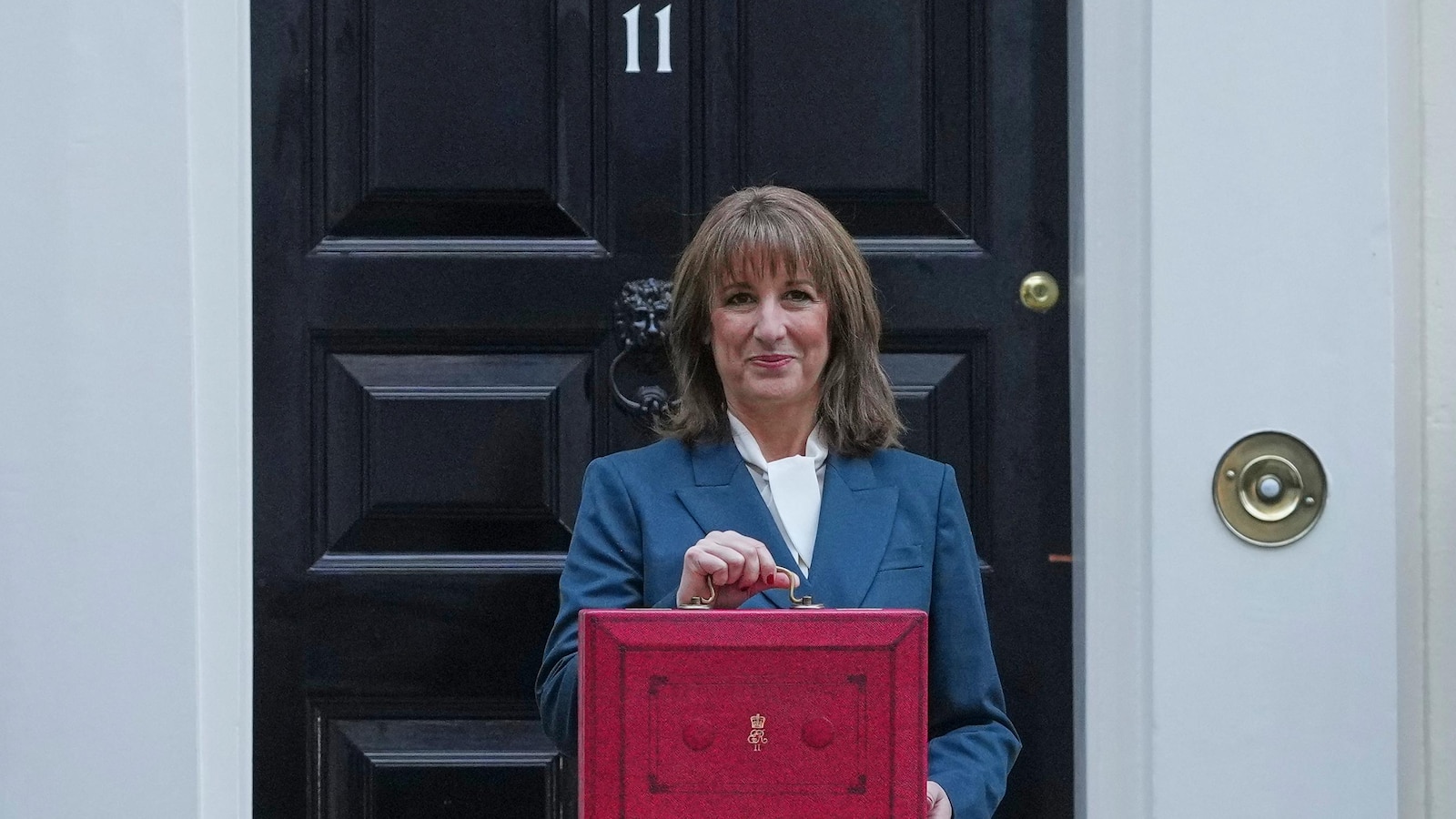
UK consumer price inflation rose to 3.4% year-on-year in December from 3.2% in November, a rise attributed in part to higher tobacco taxes and more spending on overseas trips; the increase was slightly below economists' 3.5% forecast. Policymakers and analysts view the uptick as a temporary blip on a downward trajectory toward the Bank of England’s 2% target, with expectations that the BoE — currently with a base rate of 3.75% — will be able to cut rates as inflation falls toward 2026, a development the governing Labour party says should support growth.
Market structure: A 3.4% UK CPI print that is a blip on a downward path concentrates winners in long-duration bond holders and interest-rate sensitive real assets (UK gilts, REITs, UK consumer cyclicals) and hurts banks/insurers that depend on higher net interest margins. Pricing power: persistent disinflation to ~2% by 2026 would shift share to growth/quality names and discount cyclicals less expensively; a 75–125bp expected easing over 12–24 months would reprice the curve and steepen duration performance.
Risk assessment: Tail risks include a global energy or supply shock (+200–300bps inflation shock), or a UK wage spiral forcing BoE hold/raise — both would blow out gilt yields and GBP. Time horizons: immediate (days) – muted; short (weeks–months) – front-end yields respond to BoE signals and labour prints; long (quarters–years) – structural disinflation to 2% likely but conditional on services wage dynamics and fiscal policy. Hidden dependencies: services CPI stickiness, fiscal loosening by Labour, and Fed-BOE rate divergence.
Trade implications: Primary trades — go long 10y UK gilt futures (size 2–3% NAV) to capture 50–150bps of yield compression if BoE eases by 75–125bps by end-2025; hedge with a 3m stop if 10y gilt yield rises >75bps. Pair trades — long Landsec (LAND.L) or British Land (BLND.L) and short Lloyds (LLOY.L) or Barclays (BARC.L) to play rate cuts boosting real estate rents while compressing bank NIMs over 6–18 months. Options — buy long-dated (6–12m) gilt call/receiver swaptions and buy puts on HSBA.L to asymmetrically protect against upside inflation shocks.
Contrarian angles: Consensus underestimates services wage stickiness — markets may be prematurely pricing full easing, creating a shortable rally in gilts; conversely, fiscal loosening aimed at growth could keep yields higher and equities supported. Historical parallel: 2010s disinflation saw long gilts rally then reverse when growth surprised; be wary of front-running cuts — consider staging positions and using delta-hedged option exposures to manage gamma risk.
AI-powered research, real-time alerts, and portfolio analytics for institutional investors.
Request DemoOverall Sentiment
neutral
Sentiment Score
0.00
