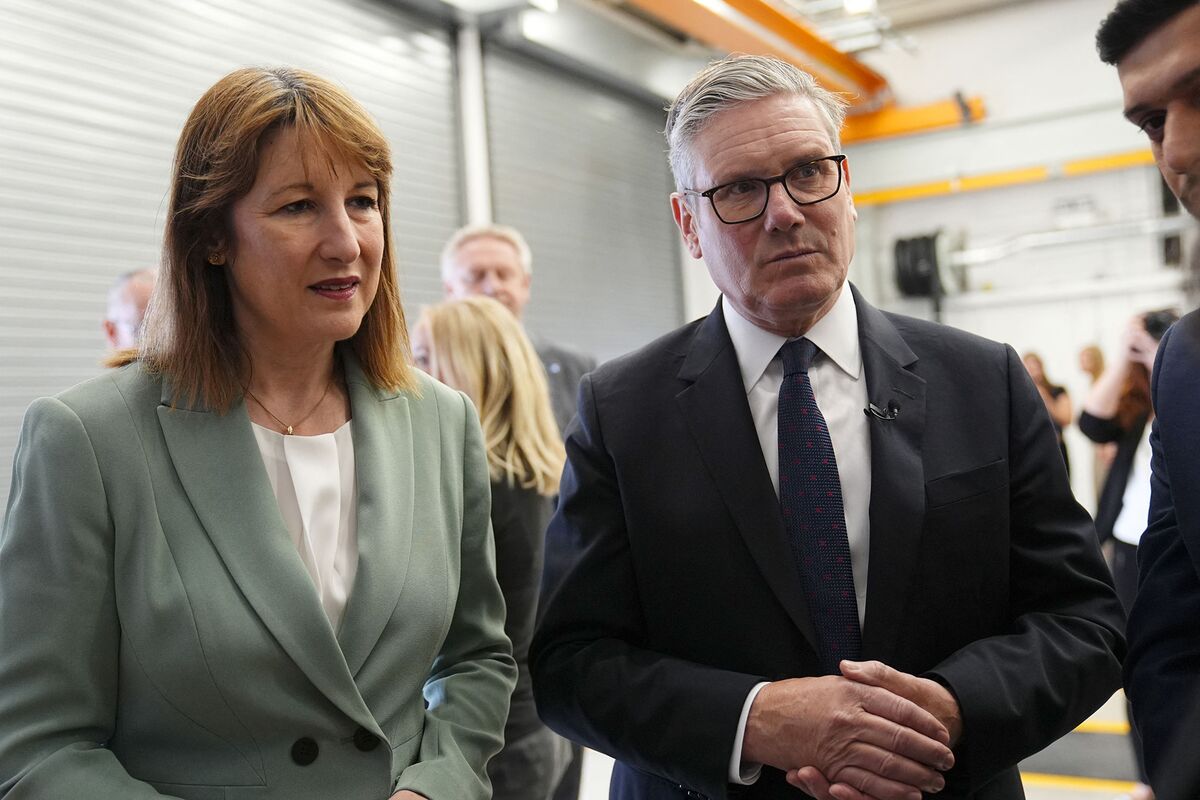
Labour's significant policy reversals, particularly the U-turn on proposed disability benefit reforms, have eliminated approximately £3 billion of the intended £4.8 billion in fiscal savings. This development critically jeopardizes Chancellor Rachel Reeves' ability to meet her stated fiscal rule requiring taxes to cover day-to-day spending, raising concerns about her political stability and the party's broader fiscal credibility ahead of a potential election.
The UK Labour party's fiscal strategy is under significant strain following a forced policy reversal on disability benefits. An internal rebellion by over 120 party members has compelled a U-turn, eliminating approximately £3 billion of a planned £4.8 billion in savings, according to the Resolution Foundation. This development creates a material fiscal gap and places Shadow Chancellor Rachel Reeves' core budget rule—that day-to-day spending must be covered by tax revenues—in serious jeopardy. Beyond the immediate budgetary impact, the event exposes deep divisions within the party, raising questions about its ability to implement difficult economic policies if it forms the next government and casting uncertainty on the political future of the Chancellor herself. The situation undermines Labour's perceived fiscal discipline ahead of a potential election, introducing a notable element of political and economic uncertainty into the UK outlook.
AI-powered research, real-time alerts, and portfolio analytics for institutional investors.
Request DemoOverall Sentiment
moderately negative
Sentiment Score
-0.55
