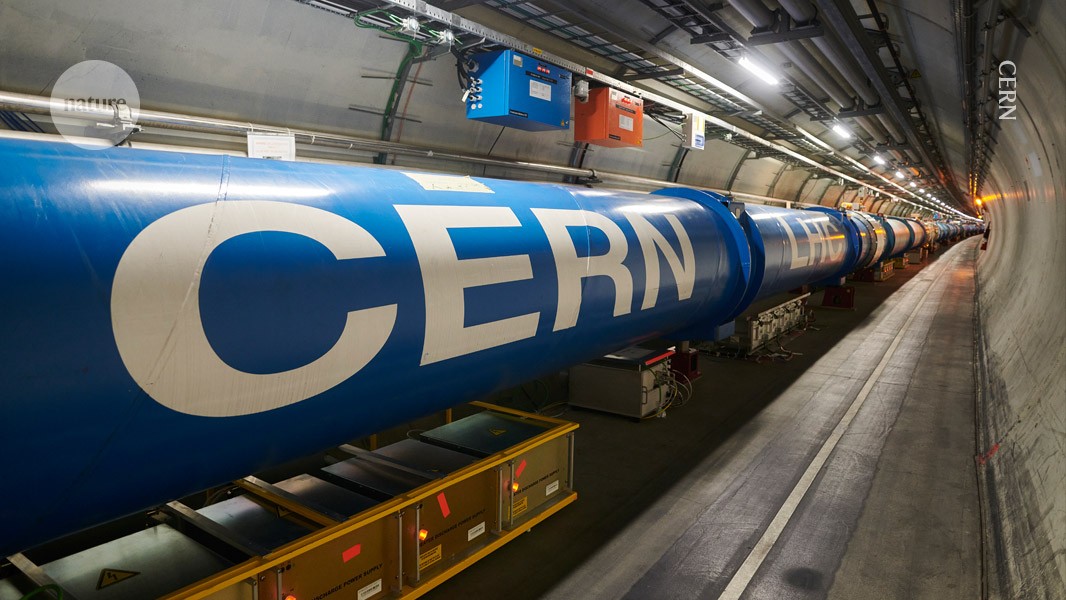
UK Research and Innovation (UKRI) chief Ian Chapman warned that the country’s research base is an under‑used economic asset as UKRI pursues reforms that critics say risk draining university science. UKRI has distributed about £9 billion this financial year, but three recent actions — temporary blocks on some MRC and BBSRC grant applications, STFC being asked to find roughly £60 million of savings and cuts or reprioritisations to infrastructure funding — have sparked fears for jobs and the UK’s role in major international projects such as CERN’s LHCb and the Vera C. Rubin Observatory. The developments create near‑term funding uncertainty for physics, astronomy and biomedical research and could undermine the pipeline for skilled data‑science and machine‑learning graduates important to tech and innovation sectors.
Market structure: The UKRI/ STFC moves (UKRI budget ~£9bn; STFC asked to find ~£60m, ~0.67% of that) re-allocates demand away from blue‑sky university science toward applied/industrial tech priorities. Direct losers are niche academic suppliers and university-linked small caps that derive >20‑40% revenue from UK academia (e.g., scientific instrument vendors), while winners are large contractors and corporates able to capture government-directed applied R&D (defense, green tech, AI). Reduced grant flow implies a near-term 5–15% shock to academic procurement demand in the UK channel over 3–12 months, pressuring margins for small vendors.
Risk assessment: Tail risks include abrupt withdrawal from international projects (CERN, Vera Rubin) that would trigger partner funding gaps, reputational losses, and UK talent flight — a 1–3 year GDP and corporate R&D re‑allocation risk. Immediate risks (days–weeks): market sentiment moves and FX weakness; short term (3–12 months): revenue downgrades for exposed suppliers; long term (2–5 years): weaker talent pipeline reduces UK competitiveness and could shift corporate R&D to EU/US. Hidden dependencies: university spinouts and VC deal flow weigh on biotech/AI ecosystems, igniting second‑order M&A or talent arbitrage.
Trade implications: Tactical shorts on UK small caps highly exposed to academic grants (e.g., Oxford Instruments OXIG.L, Renishaw RSW.L) and protective puts are preferred over outright long-dated shorts; go long 6–12 month position in large contractors (BAE Systems BA.L, Rolls‑Royce RR.L) and select pharma/AI integrators (GSK.L, AZN.L) that can monetize applied targets. Hedge currency and risk‑off with a 3‑month GBPUSD put (5% OTM) sized to 1–1.5% portfolio risk; expect to re‑rate on Spring Budget/STFC outcomes within 30–90 days.
Contrarian angles: Consensus focuses on cuts; missing is that forced scarcity accelerates commercialization — universities will seek industrial partnerships and M&A, creating buyable distressed assets and IP-rich targets. Historical austerity cycles saw consolidation and eventual re‑rating of survivors; if cuts are contained (<£60–100m realized) the sell‑off in suppliers may be overdone and present acquisition arbitrage in 6–18 months. Monitor STFC confirmations and partner commitments as binary catalysts that flip trade signals.
AI-powered research, real-time alerts, and portfolio analytics for institutional investors.
Request DemoOverall Sentiment
moderately negative
Sentiment Score
-0.60
