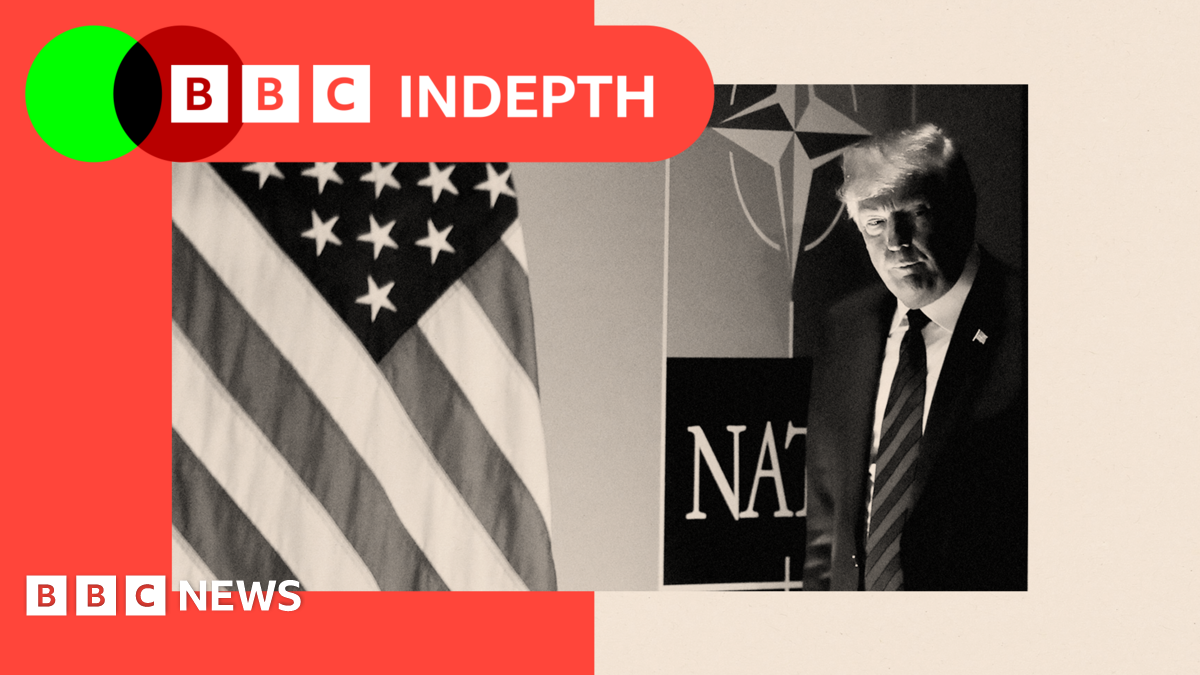
The upcoming NATO summit is set to be a pivotal event, primarily shaped by President Trump's demand for European allies to allocate 5% of their GDP to defense, a target potentially structured as 3.5% for direct military spending and 1.5% for defense-related initiatives. This aggressive push, occurring amidst heightened geopolitical tensions including recent Iranian missile strikes and the persistent Russian threat, forces European nations to confront significant financial implications, potentially requiring increased taxes, borrowing, or welfare cuts. The summit will highlight Europe's critical strategic dilemma: balancing the imperative to secure continued US security commitments with the urgent need to bolster its own defense capabilities and achieve greater strategic autonomy, marking a potential watershed moment for transatlantic defense relations.
The upcoming NATO summit is framed by significant geopolitical tension and strategic uncertainty, centered on President Trump's demand for European allies to commit 5% of their GDP to defense. This aggressive fiscal target, potentially structured as 3.5% for direct defense and 1.5% for related security spending, creates substantial pressure on European economies, forcing a difficult trade-off between increased military investment and potential welfare cuts, tax hikes, or further sovereign borrowing, which is particularly challenging for high-debt nations like Italy. The summit's agenda is further complicated by the recent US-Iran military exchanges, which risk creating a diplomatic fallout between the US and European allies who advocated for diplomacy. This dynamic underscores Europe's core vulnerability: a deep reliance on US military capabilities, including intelligence, surveillance, and command-and-control, which are not easily replicated and are needed for the US pivot to Asia. While some members like Poland are already meeting high spending targets (4.7% of GDP), internal friction is evident with Spain's reported pushback, highlighting the political difficulty of implementing such a large-scale fiscal shift across the continent. The summit is therefore a potential watershed moment, forcing Europe to confront the necessity of greater strategic autonomy while simultaneously trying to secure the commitment of an unpredictable US administration.
AI-powered research, real-time alerts, and portfolio analytics for institutional investors.
Request DemoOverall Sentiment
moderately negative
Sentiment Score
-0.50
Ticker Sentiment
