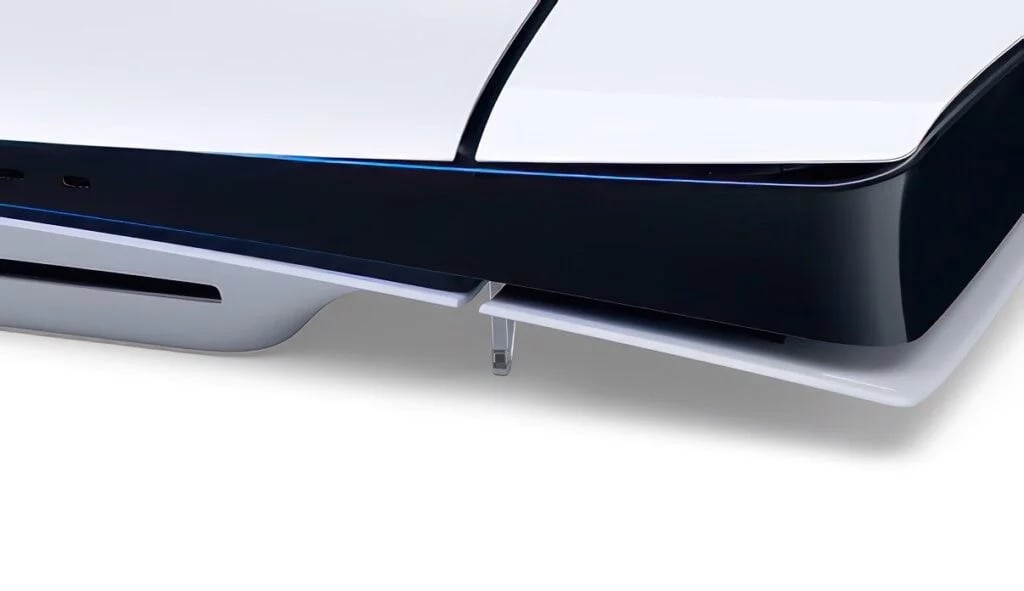
Sony is raising PS5 prices by $100–$150 effective April 2, 2026 (PS5 Digital +$100 to $599.99; PS5 +$100 to $649.99; PS5 Pro +$150 to $899.99), with UK/EU/Japan equivalents updated. The company cites the global economic landscape, tariffs and sharply higher memory costs (DRAM contract prices reportedly +170% YoY) as drivers; the entry Digital Edition is now ~50% more expensive than at launch. Expect near-term revenue/margin tailwinds for Sony but meaningful downside risk to unit demand in a price-sensitive, high-cost-of-living consumer environment, with potential spillovers to the broader console sector.
Sony’s decision to raise hardware economics shifts the company further from a volume-led console cycle toward a margin-first hardware strategy, increasing reliance on higher-margin software, subscriptions, and services to sustain ARPU. That pivot amplifies sensitivity of near-term revenue to elasticities in lower-income cohorts and to attach-rate dynamics: if a non-trivial fraction of price-sensitive buyers delay or switch platforms, software/first-party monetization growth will need to outpace hardware headwinds to keep overall growth intact.
The clearest second-order winners are upstream memory suppliers and aftermarket channels: sustained elevated DRAM prices directly expand gross-margin tailwinds for large fabs and cartridge/SSD vendors while boosting the economics for refurbishers and the secondary market—creating an asymmetric arbitrage between OEM hardware volumes and parts suppliers’ topline. Competitively, this widens the opening for Microsoft’s non-hardware revenue levers (cloud streaming, Game Pass promotions) to accelerate share gains in discretionary budgets, and for PC/console substitution to siphon marginal buyers, benefiting GPU/PC component vendors.
Key catalysts are short/intermediate-term: monthly sell-through and inventory disclosures, next quarterly guidance cadence, and DRAM spot/contract price trajectories over 3–12 months. Reversal vectors include a macro improvement that restores disposable income, aggressive promotional responses from competitors, or a quick fall in memory prices; conversely, persistent inflation in component costs would make higher hardware ASPs a lasting structural shift rather than a one-off correction.
AI-powered research, real-time alerts, and portfolio analytics for institutional investors.
Request DemoOverall Sentiment
mildly negative
Sentiment Score
-0.25
Ticker Sentiment
