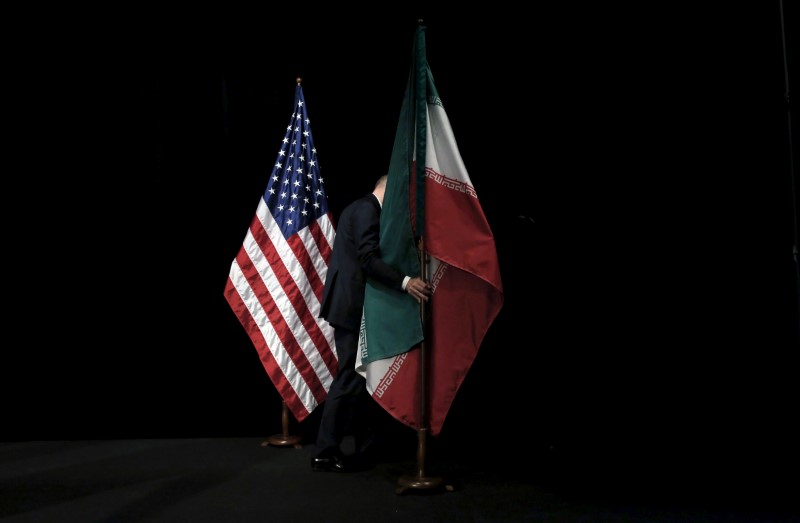
Tensions in the Strait of Hormuz escalated after Iran reportedly launched cruise missiles, drones, and small boats in response to a U.S. escort effort, with several ships and an oil port in the UAE struck. The conflict has effectively kept Hormuz closed since late February, threatening roughly 20% of global oil supply and keeping energy markets on edge despite a 1.4% pullback in oil prices on Tuesday after a 6% rally the prior session. Trump warned Iran it would be "blown off the face of the Earth" if U.S. vessels are attacked, underscoring the high geopolitical and market risk.
The market is still underpricing the distinction between a tactical shipping disruption and a sustained supply shock. If Hormuz remains intermittently constrained, the first-order move is higher freight, insurance, and demurrage costs; the second-order move is margin compression for container lines, chemical shippers, and any importer with just-in-time inventory. The bigger alpha is in the lagged pass-through: refiners and airlines can hedge near-term fuel, but inventory-sensitive sectors with 30-90 day procurement cycles will eat the spread before prices reset. The U.S. escort effort creates an asymmetric escalation path: each additional protection package raises the odds of a miscalculation, but also increases the probability of a negotiated deconfliction if convoy operations prove effective. That means the risk window is measured in days to a few weeks, not years. The key catalyst is whether attacks broaden from symbolic harassment into repeated hits on energy infrastructure or coalition vessels; that would force a sharper repricing in crude vol, defense procurement expectations, and emerging-market FX. Consensus is likely too binary on oil: either full reopening or full closure. The more investable outcome is a messy middle where volumes normalize slowly while risk premia persist, which is bearish for transportation and global cyclicals even if spot crude retraces. In that regime, the best relative trades are not outright oil longs, but hedges on sectors whose earnings are most exposed to insurance, rerouting, and inventory carry costs. If talks continue to make incremental progress, the air pocket in crude could be sharp and fast, so chasing the commodity rally after a geopolitical spike has poor risk/reward unless paired with downside optionality.
AI-powered research, real-time alerts, and portfolio analytics for institutional investors.
Overall Sentiment
strongly negative
Sentiment Score
-0.70
