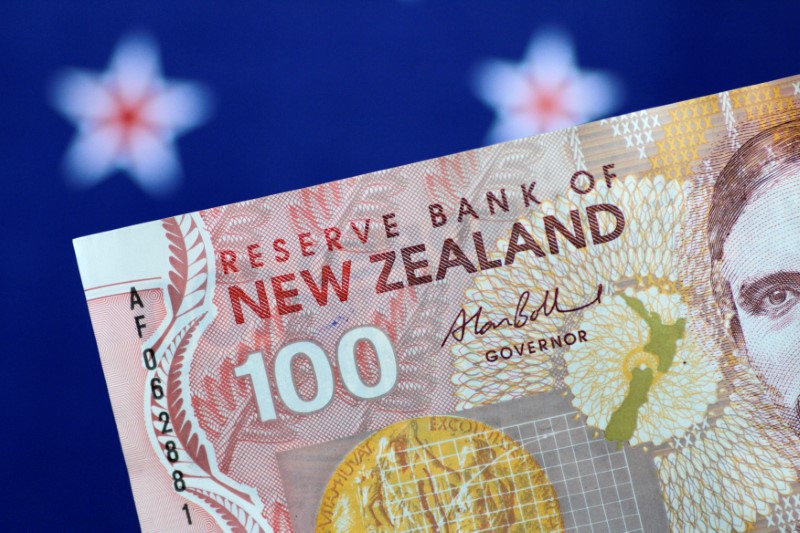
Asian equities rallied as tech extended a rebound and FX markets reacted to rising expectations of a near-term U.S. rate cut; fed funds futures imply roughly an 84% probability of a 25bp cut after softer U.S. retail sales and PPI data. Regional moves included AUD/USD jumping 0.6% (fourth straight gain) after hotter-than-expected Australian CPI, and NZD/USD surging 1.2% after the RBNZ cut its cash rate 25bp to 2.25% while forecasting a 2.20% rate in Q1 2026. The USD index was muted, USD/JPY was largely unchanged amid reports the BOJ may signal a potential hike, and market attention remains on Fed leadership chatter with Kevin Hassett flagged as a possible front-runner.
Market structure: Rising Fed-cut odds (implied ~84% for a 25bp December cut) is compressing US front-end yields and fueling risk-on flows into tech/AI compute names (SMCI, broader semiconductor capex suppliers) and commodity-linked FX (AUD). Winners: AI/compute hardware, Australian domestic cyclicals and exporters; losers: short-duration USD carry and some defensive FX (JPY if BOJ hikes). The divergence between RBA/RBNZ/BOJ paths increases cross-border funding stress and raises basis risk for EM local rates and FX hedges over the next 1–3 months.
Risk assessment: Tail risks include a Fed “no-cut” (or delayed cut) surprise that would reflate USD and lift 2s/10s by 25–75bp in weeks, a BOJ surprise hike that strengthens JPY violently, or a China growth shock that undermines AUD/NZD; probability of each is non-trivial (10–30%) in the next 3 months. Hidden dependencies: AI equity gains depend on durable capex, not just momentum—server orders vs spot GPU supply matter; NZ’s 25bp cut but “pause” messaging risks crowded carry trades and sudden unwind. Key catalysts: US CPI/PCE in next 30 days, Fed speakers, BOJ meeting (possible hike next month), RBA minutes.
Trade implications: Favor concentrated, event-aware positions: overweight SMCI/AI compute exposure via defined-risk option structures (3–6 month call spreads) to capture upside while limiting drawdown; tactically long AUD/USD vs USD on confirmed break >0.660 (target 0.70, stop 0.645) via calls or forwards. Reduce portfolio duration by ~0.5 year (trim long Treasury exposure by 20–30%) and maintain 0.5–1.0% of portfolio in S&P put spreads to protect against a rates-driven risk-off reversal in 1–3 months.
Contrarian angles: The market is likely overpricing a December cut — a meeting-by-meeting Fed or political pick (e.g., Kevin Hassett) could delay easing and trigger a snap USD rally; that would hurt momentum tech and FX carry trades. Historical parallel: 2019–2020 front-run cut rallies reversed sharply on hawkish surprises; similar pattern could repeat if inflation re-accelerates. Therefore prefer hedged, time-limited exposures and explicit stop thresholds rather than naked directional risk.
AI-powered research, real-time alerts, and portfolio analytics for institutional investors.
Request DemoOverall Sentiment
mildly positive
Sentiment Score
0.25
Ticker Sentiment
