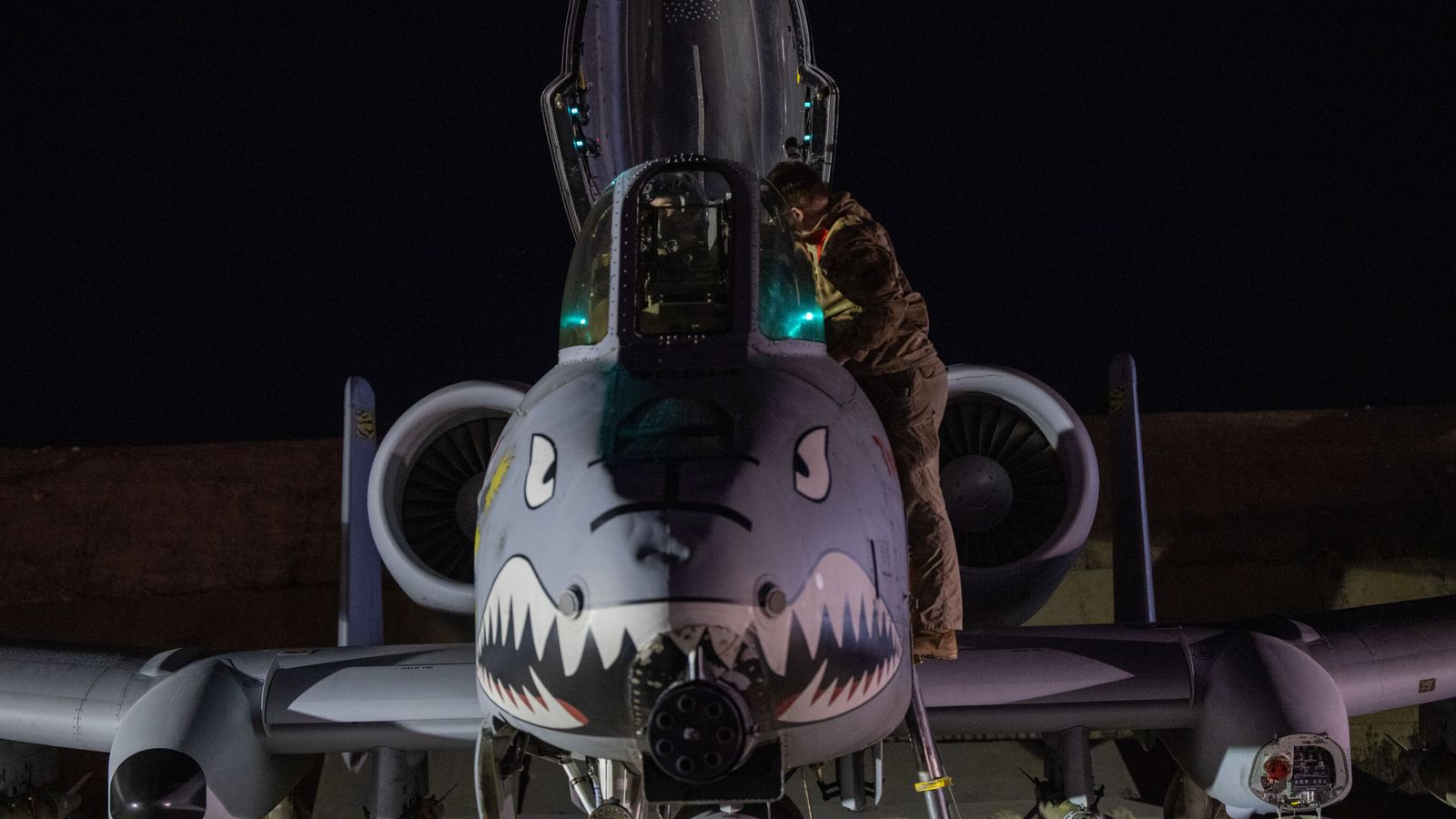
U.S. forces conducted retaliatory strikes in northwest Syria that killed Bilal Hasan al Jasim, described by CENTCOM as an experienced al-Qaeda–linked operative directly tied to the 13 December ambush that killed two U.S. soldiers and a civilian interpreter. CENTCOM and Admiral Brad Cooper framed the strike as part of a broader campaign — the U.S. says it has struck more than 100 ISIS targets — and the action follows a U.S.-led operation announced by the president after the ambush; officials stress there is no safe haven for those who target American personnel. The developments raise regional security risk and bear watching for potential knock-on effects in Middle East stability and defense-related asset pricing.
Market structure: Near-term winners are US defense primes (LMT, RTX, GD, NOC) and tactical contractors servicing CENTCOM with a likely 3–8% re-rating over 1–3 months as incremental operations raise near-term revenue visibility and political support for higher DoD discretionary spend. Losers include regional travel & commodity-sensitive commercial carriers (AAL, DAL) and Syrian/LE market access for energy services; sustained strikes risk crude shocks that compress airline margins by $0.05–$0.15/gal per $5/bbl move.
Risk assessment: Tail scenarios include escalation (direct state actors enter, oil +$15/bbl within 30 days) or a domestic political reaction that limits operations; both would drive safe-haven flows (USTs, gold) and volatility spikes (VIX +40–80%). Immediate window (days): equity risk-off, bonds bid (10y -5–15bps). Short (weeks–months): defence revenue recognition and backlog pickup; long (quarters+): sustained budget increases if Congress capitalizes politically.
Trade implications: Favor 2–3% tactical long allocations to LMT and RTX (3–6 month horizon), funded by 1–2% shorts in US airline staples (AAL). Use options to cap risk: buy 3-month ATM call spreads on LMT (buy 0%–sell +15% strike) sized to 1–1.5% portfolio. Allocate 1–2% to gold (GLD) and buy a 1-month VIX 25/40 call spread as cheap tail hedge if strikes breach VIX>30.
Contrarian: Consensus underestimates policy durability — even a modest casualty count often unlocks >$10–20bn in supplemental defense budgets over 12–24 months; defense multiples already rich, so prefer cash-flow leaders (LMT) and contractors with near-term revenue cadence (RTX) over speculative small caps. Beware overpaying: trim longs if Brent rises >$10 or S&P 500 falls >6% intraday.
AI-powered research, real-time alerts, and portfolio analytics for institutional investors.
Request DemoOverall Sentiment
moderately negative
Sentiment Score
-0.25
