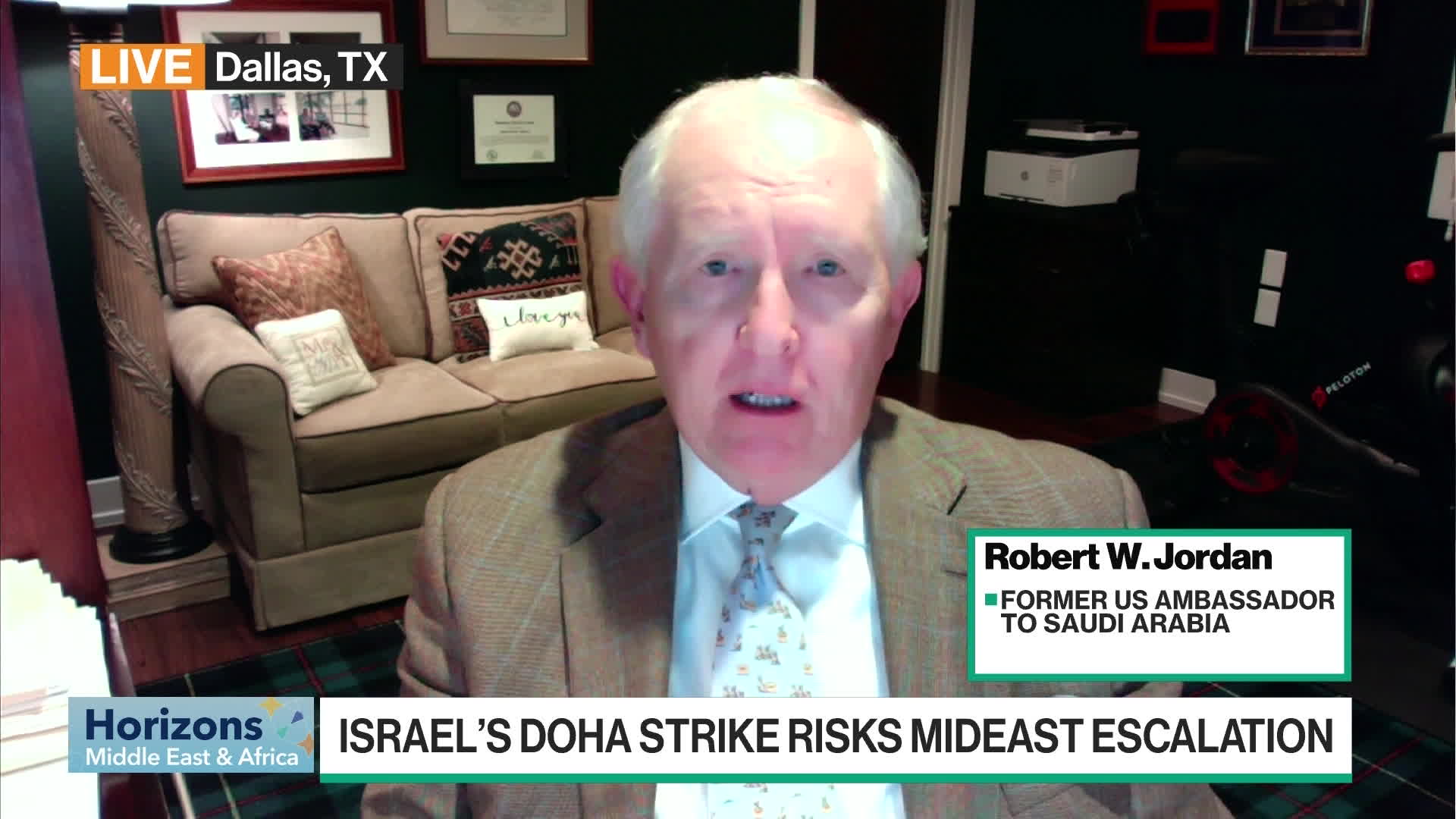
Qatar has strongly condemned Israeli Prime Minister Benjamin Netanyahu's 'reckless statements' regarding its hosting of the Hamas office, signaling heightened diplomatic friction. This condemnation, coupled with former US Ambassador Robert W. Jordan's assessment that Netanyahu has failed to secure the return of hostages, underscores escalating geopolitical tensions and persistent instability in the Middle East, which could impact regional market dynamics and investor sentiment.
Heightened diplomatic friction is evident in the Middle East following Qatar's strong condemnation of what it termed 'reckless statements' by Israeli Prime Minister Benjamin Netanyahu concerning its hosting of the Hamas office. This public rebuke signals a significant strain in relations between key regional players involved in negotiation efforts. The situation's gravity is compounded by commentary from former US Ambassador Robert W. Jordan, who noted Netanyahu's failure to secure the return of hostages, suggesting a stall in critical diplomatic progress. The moderately negative sentiment score of -0.5 reflects this pessimistic outlook, indicating that the escalating rhetoric and perceived lack of resolution contribute to an environment of increased geopolitical instability. This development elevates the risk premium for the region, as unresolved conflict and diplomatic breakdowns can have cascading effects on market sentiment and stability.
AI-powered research, real-time alerts, and portfolio analytics for institutional investors.
Request DemoOverall Sentiment
moderately negative
Sentiment Score
-0.50
