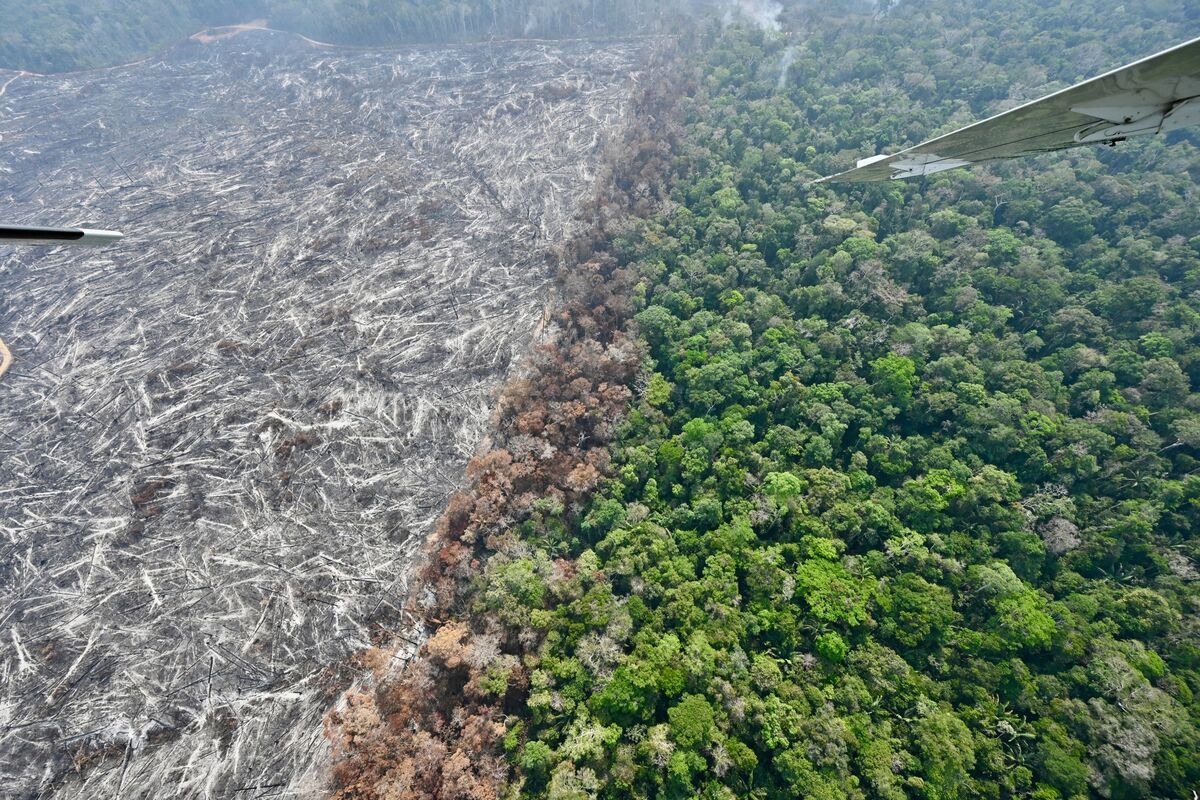
COP30 concluded after two weeks marked by floods, fires, protests and coffee-fueled late-night negotiations, producing a final agreement that many nations criticized as insufficiently ambitious; delegates left frustrated by the lack of stronger commitments. The deal leaves uncertainty about the global trajectory for emissions cuts and adaptation efforts, underscoring continued political friction and the likelihood of contentious negotiations ahead of next year’s talks.
COP30 concluded after two weeks marked by floods, fires, protests and coffee-fueled late-night negotiations; the final agreement was described in the article as insufficiently ambitious and left many nations frustrated. Delegates departed with unresolved political friction and impatience over the lack of stronger commitments, which the summary characterizes as creating uncertainty about the global trajectory for emissions cuts and adaptation efforts.
Signal metrics reinforce a cautious reading: the sentiment_score of -0.45 and a "moderately negative" label with a pessimistic tone point to market skepticism, while a market_impact_score of 0.25 implies limited immediate market disruption but elevated policy uncertainty. This mix suggests low probability of an abrupt market shock from the deal text itself, but persistent regulatory and transition risk for climate-sensitive sectors as negotiations remain contentious.
Practical implications include a continued ambiguous path for emissions reductions and adaptation funding, and the likelihood that political friction will drive volatility into next year’s talks in Turkey. Investors should therefore emphasize resilience to physical climate events and policy shifts, monitor negotiating outcomes closely, and avoid large directional bets predicated on a near-term, decisive shift in global climate policy.
AI-powered research, real-time alerts, and portfolio analytics for institutional investors.
Request DemoOverall Sentiment
moderately negative
Sentiment Score
-0.45
