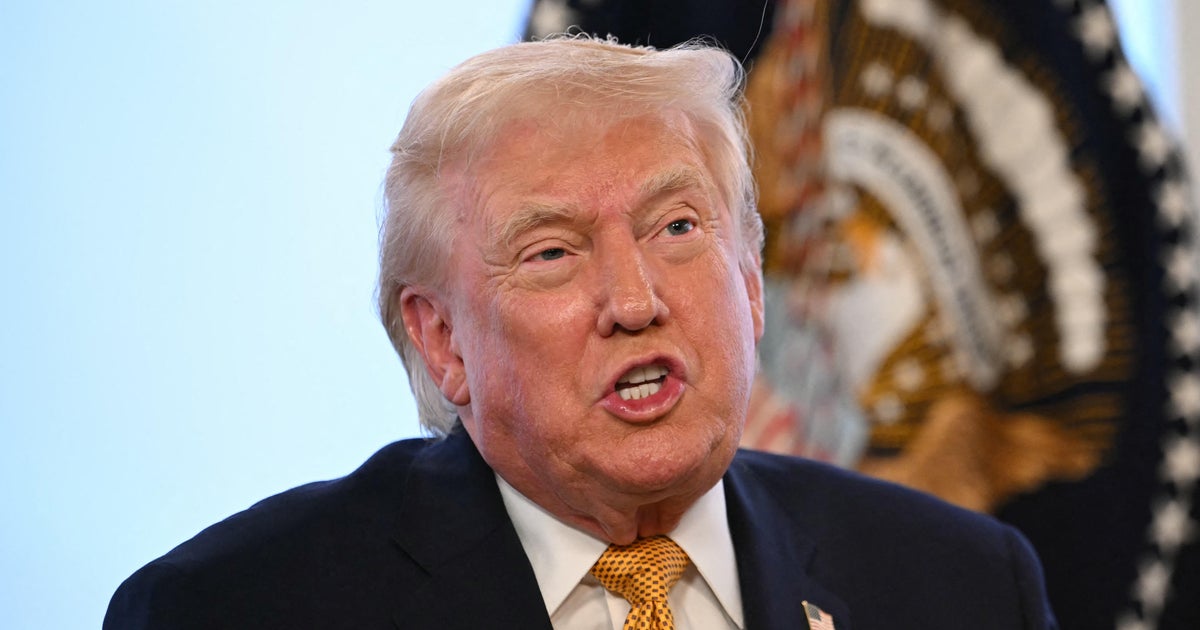
President Trump said his October exam at Walter Reed involved a CT scan—not an MRI—and that the advanced imaging was normal, a point confirmed by his physician Navy Capt. Sean Barbabella; the White House described the imaging as part of routine cardiovascular and abdominal checks. The piece also notes Trump's continued use of daily aspirin, a diagnosis of chronic venous insufficiency with no evidence of deep vein thrombosis or arterial disease, and political commentary from the press secretary; there are no financial metrics or market-moving clinical findings reported.
Market structure: This disclosure is a headline-driven political/health story with near-zero direct revenue impact on corporate balance sheets, but it transiently favors healthcare-equipment names (GE) and radiology service providers (outpatient imaging REITs) that get free visibility. Expect 1–3 trading-day bumps in small/mid-cap healthcare stocks and a 5–15bp intraday safe-haven move in 10y USTs on any materially new medical revelation; commodity and FX moves should be muted absent broader risk-off contagion.
Risk assessment: Tail risks are low-probability/high-impact: a new adverse medical finding or sustained debate-performance decline could compress risk assets and widen credit spreads by 20–50bp over weeks. Immediate risk window (days) centers on follow-up disclosures and media cycles, short term (weeks–months) on polling shifts that influence policy expectations, and long term (quarters) on election outcome-driven regulation/tax scenarios; hidden dependency is polling-volatility → policy risk → sectoral valuation shifts.
Trade implications: Tactical defensive hedges are optimal: use duration and cheap index downside protection rather than large directional equity bets. Favor small, time-bound positions (3–6 months): buy TLT exposure to cover a 3–6 month political-volatility window, buy short-dated S&P put spreads around debates, and selectively add 1–2% positions in GE for secular imaging demand if priced <2x forward EBITDA in your model.
Contrarian angles: The market consensus will likely underprice the brevity of this event — headline spikes will fade in 1–2 weeks unless medical news escalates — so buy time-limited volatility (30–90 day) rather than long-dated hedges. Historical parallels (election health scares) show mean reversion; overpaying for long-term duration or permanent shorts on cyclical healthcare names is a common mistake — keep sizing small and event-tied.
AI-powered research, real-time alerts, and portfolio analytics for institutional investors.
Request DemoOverall Sentiment
neutral
Sentiment Score
0.00
