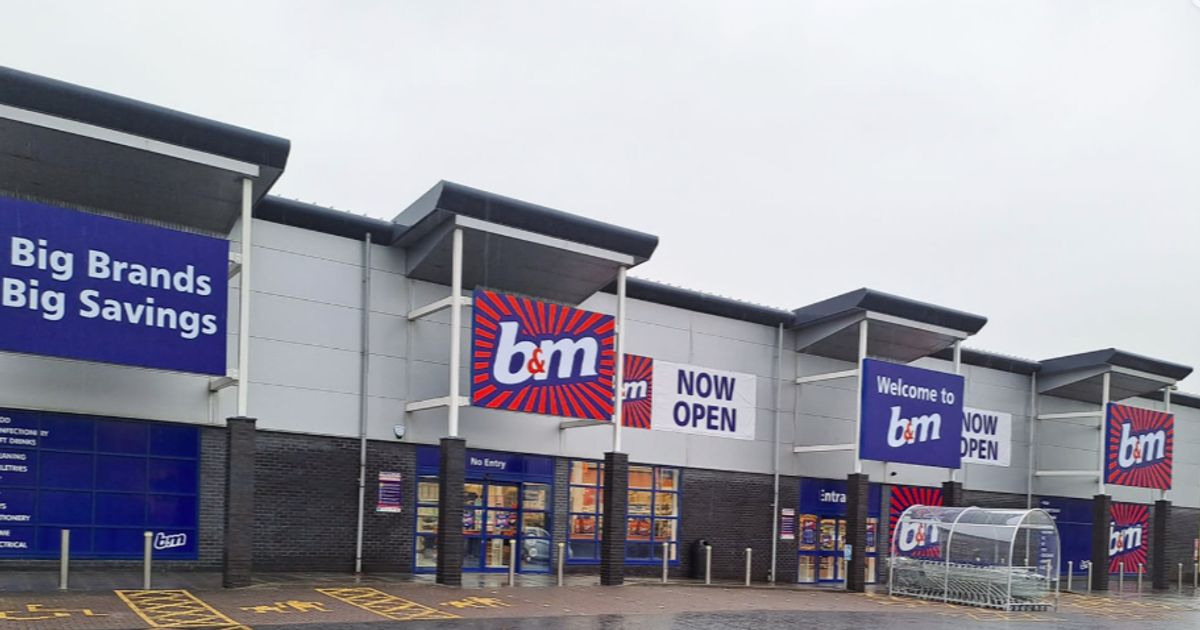
B&M issued its third profit warning in four months, cutting full-year adjusted EBITDA guidance to £440–475m from £470–520m, citing price investments, clearance of discontinued stock and weaker-than-expected performance at Heron Foods. Group revenue for the 13 weeks to 27 December 2025 rose 2.9% to £1.74bn, but B&M UK like‑for‑like sales fell 0.6% for the quarter (albeit +3.0% in December) while Heron saw 1.4% revenue growth with flat LFLs and underperformance. Management is reviewing Heron’s customer offer and increasing clearance activity to simplify ranges and improve availability; the business also faces residual governance issues after an earlier internal review that uncovered ~£7m of misrecorded costs and prompted the CFO’s exit.
Market structure: The profit warning (EBITDA guidance cut to £440–475m vs prior £470–520m) shifts advantage to grocers and branded FMCG suppliers with stronger margin control (e.g., Tesco, Sainsbury’s, Unilever) as price-led investment at B&M compresses near-term margins. Expect share losses among value/general merchandise discounters with weak category mix (Heron Foods drag) and increased clearance activity to depress supplier volumes by mid-Q4 (next 3–6 months).
Risk assessment: Tail risks include a larger-than-disclosed accounting or inventory write-down (>£20m), an equity raise diluting holders, or deeper Heron margin shortfall that forces aggressive store closures; these could unfold within 1–3 quarters. Hidden dependencies: supplier payment terms and wholesale FMCG contract renegotiations could amplify working-capital stress; wage inflation and continued price investment can persist for 2–4 quarters before margin recovery.
Trade implications: Tactical short BME (LSE:BME) exposure and buy protection via 3-month puts (15% OTM) to capture likely 20–40% downside if guidance weakens again; pair trade by going long large-cap grocers (TSCO/SBRY) versus short BME to capture relative share shift. Rotate out of small-cap UK general merchandise by 5–10% of equity book into defensive staples (ULVR, TSCO) and increase cash/govt bonds exposure for 1–3 months as volatility spikes.
Contrarian angles: The market may over-penalise BME if December’s +3.0% LFL proves sustainable—if B&M reports sequential LFL improvement two quarters running, downside is limited. Consider a tactical long if BME equity falls >30% from pre-warning levels and management produces 2 sequential quarters of positive UK LFL and Heron turnaround within 6–12 months.
AI-powered research, real-time alerts, and portfolio analytics for institutional investors.
Request DemoOverall Sentiment
strongly negative
Sentiment Score
-0.65
