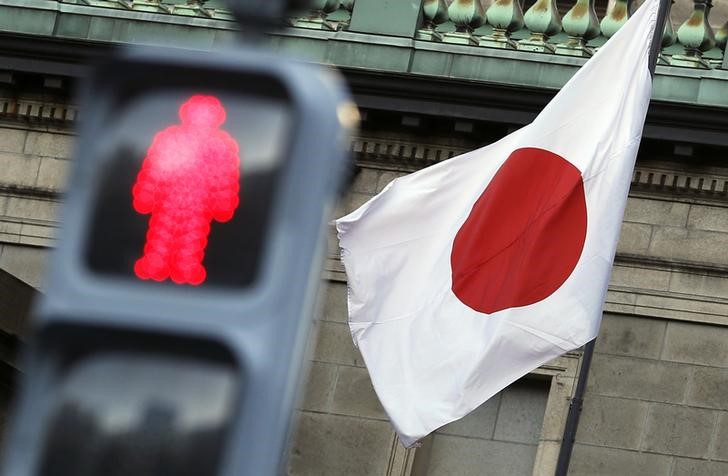
Japanese Prime Minister Shigeru Ishiba plans to resign by month-end, taking responsibility for the Liberal Democratic Party's loss of its upper house majority, which will complicate future legislative efforts. This announcement closely follows the U.S. and Japan finalizing a trade deal imposing a 15% tariff on Japan, a pact Ishiba had reportedly awaited before stepping down.
Japan is facing a period of heightened political and economic uncertainty following the announced resignation of Prime Minister Shigeru Ishiba. This decision stems directly from the Liberal Democratic Party's (LDP) loss of its majority in the upper house, a development that will significantly complicate the ruling coalition's legislative agenda and could lead to policy gridlock. The timing of the resignation is notable, occurring just after the finalization of a trade agreement with the United States that imposes a 15% tariff on Japan. While the conclusion of the deal was a precondition for the Prime Minister's departure, the tariff itself introduces a major headwind for Japan's export-driven economy. The combination of a weakened government, a pending leadership transition, and new trade barriers, as reflected in the moderately negative sentiment score, points to a more challenging near-term outlook for Japanese markets.
AI-powered research, real-time alerts, and portfolio analytics for institutional investors.
Request DemoOverall Sentiment
moderately negative
Sentiment Score
-0.35
