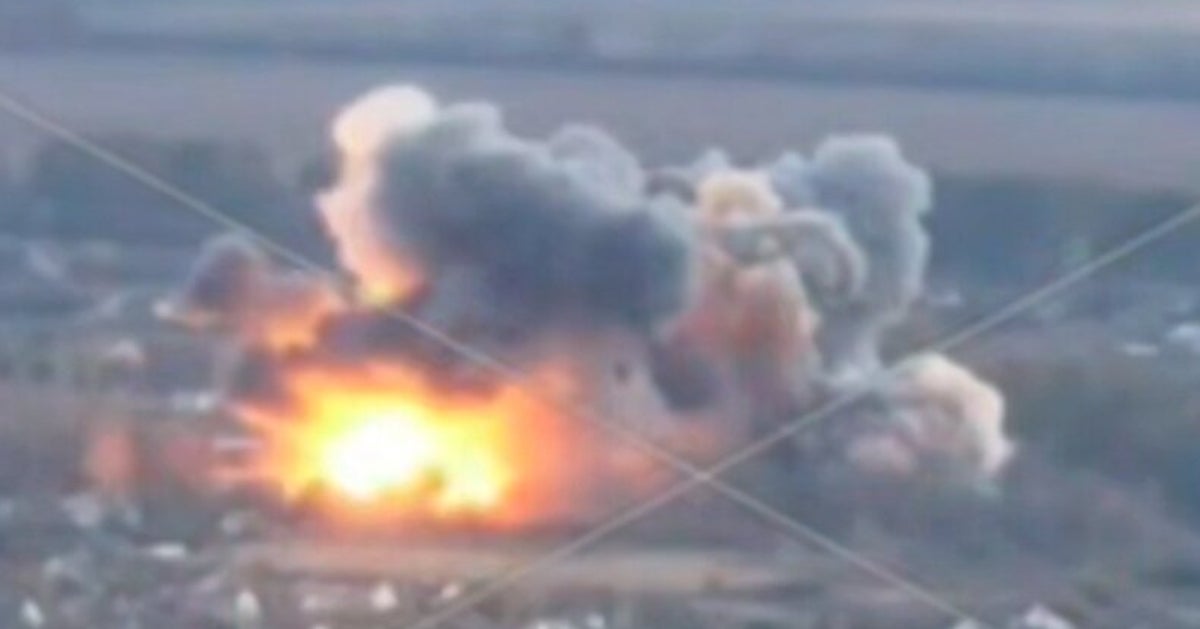
Russian missile and drone strikes hit Kyiv and regions including attacks on energy infrastructure and stepped-up strikes around Odesa amid air raid alerts, while Kyiv reports no immediate major damage. President Zelenskyy travels to meet U.S. President Trump over a nearly-complete 20-point peace draft focused on territorial control and security guarantees (Ukraine seeking longer, legally binding terms vs. a reported U.S. 15-year offer), with control of the Zaporizhzhia nuclear plant and Donetsk frontlines unresolved; Russia signals its own positions via senior diplomats. The combination of ongoing strikes, unresolved territorial demands and active diplomacy raises elevated geopolitical risk that could pressure European energy markets, risk assets and investor positioning ahead of any formal deal or ceasefire.
Market structure: Escalation around Kyiv ahead of high-profile diplomacy raises probability of sustained spot commodity shocks (oil/gas) and durable demand for defense contractors. Expect near-term upward pressure on Brent and TTF gas; if Brent moves +10% within 2 weeks it signals roll-through to oil services and pipeline capex for 6-18 months. Financials with EM/EUR sovereign exposure and Ukrainian grain/shipping counterparties are direct losers; freight/insurance rates for Black Sea routes will reprice upward.
Risk assessment: Tail risks include full-scale Black Sea blockade or NATO entanglement (low-probability, high-impact) that would push oil >$100/bbl and prompt sanctions cascades; probability window 0–6 months. Immediate (days): risk-off flows into USD, gold (GLD), and 2–10y Treasuries; short-term (weeks–months): re-rating of defense contractors and European energy exporters; long-term (quarters–years): structural reconfiguration of EU gas sourcing and increased defense budgets.
Trade implications: Favor selective long exposure to large-cap defense (RTX, LMT, GD, NOC) sized 1.5–3% portfolio each, and tactical energy exposure (XLE 2%) if Brent breaks +5% in 48–72 hours. Hedge macro with 1–2% in GLD and 2% in IEF/TLT for 3–6 months; use 3–9 month call spreads on RTX/LMT (0.5–1% notional) to lever upside while capping premium.
Contrarian angles: Consensus underestimates ceasefire probability tied to diplomacy—if a 60-day ceasefire is announced, defense and energy rallies could reverse 15–35% in 2–8 weeks. Consider pair trades: long LMT vs short AAL/DAL (airlines) or long European utilities (IBE/ENEL equivalents) vs short EU banks with >5% exposure to Ukraine derivatives. Risk: monitor Trump–Putin communications within 0–30 days as primary catalyst.
AI-powered research, real-time alerts, and portfolio analytics for institutional investors.
Request DemoOverall Sentiment
moderately negative
Sentiment Score
-0.45
