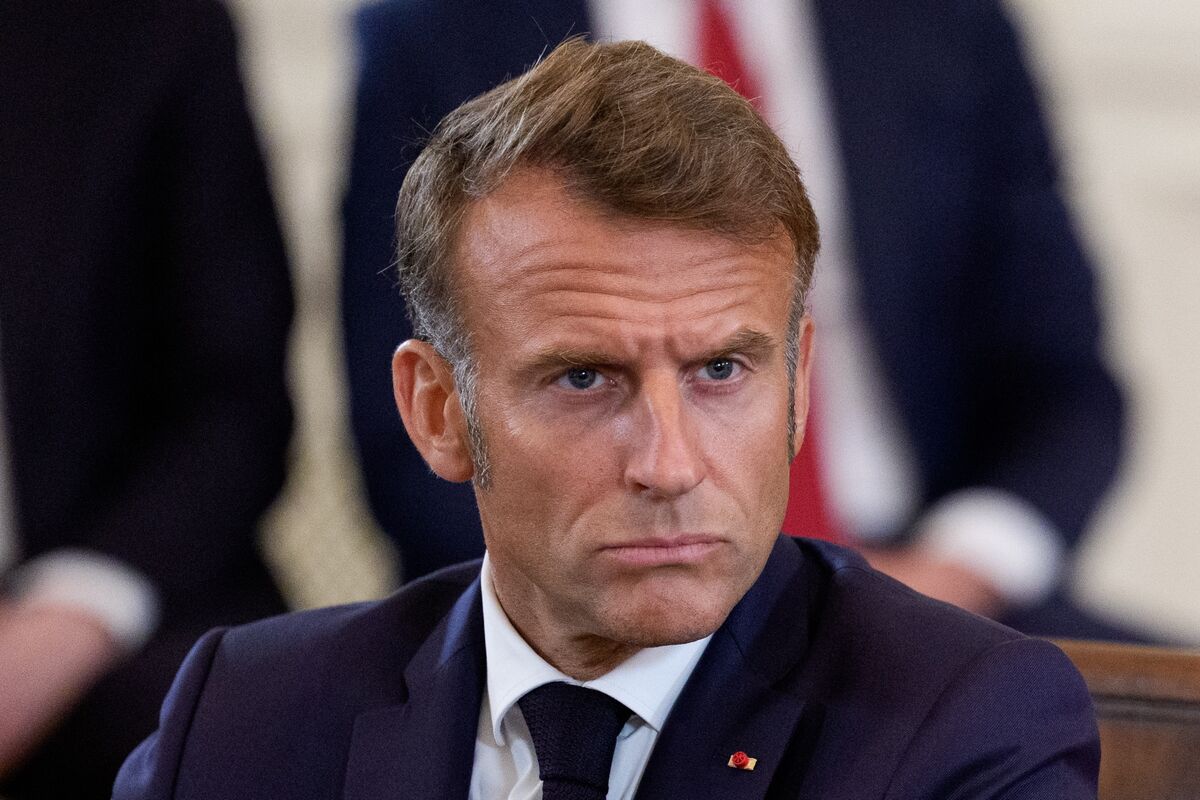
French President Emmanuel Macron is set to appoint a new prime minister following the resignation of Francois Bayrou, who lost a parliamentary confidence vote. The incoming premier faces the immediate challenge of forming a government and securing passage of a budget amidst a fragmented National Assembly, a hurdle that has led to the downfall of the two preceding prime ministers. This political development highlights ongoing legislative difficulties for Macron's agenda, particularly regarding fiscal policy.
The French political landscape is facing a period of heightened uncertainty following the resignation of Prime Minister Francois Bayrou, who was ousted in a parliamentary confidence vote. The core challenge for President Macron's next appointee is not merely forming a government, but securing a budget within a 'starkly splintered' National Assembly—a hurdle that has toppled the last two prime ministers. This recurring legislative gridlock, reflected in the 'mildly negative' sentiment and 'uncertain' tone, signals a structural impediment to the implementation of Macron's fiscal and economic agenda. While the immediate market impact is assessed as low, the pattern of instability introduces a material risk of policy paralysis, potentially delaying reforms and creating headwinds for investor confidence in France's domestic economy.
AI-powered research, real-time alerts, and portfolio analytics for institutional investors.
Request DemoOverall Sentiment
mildly negative
Sentiment Score
-0.25
