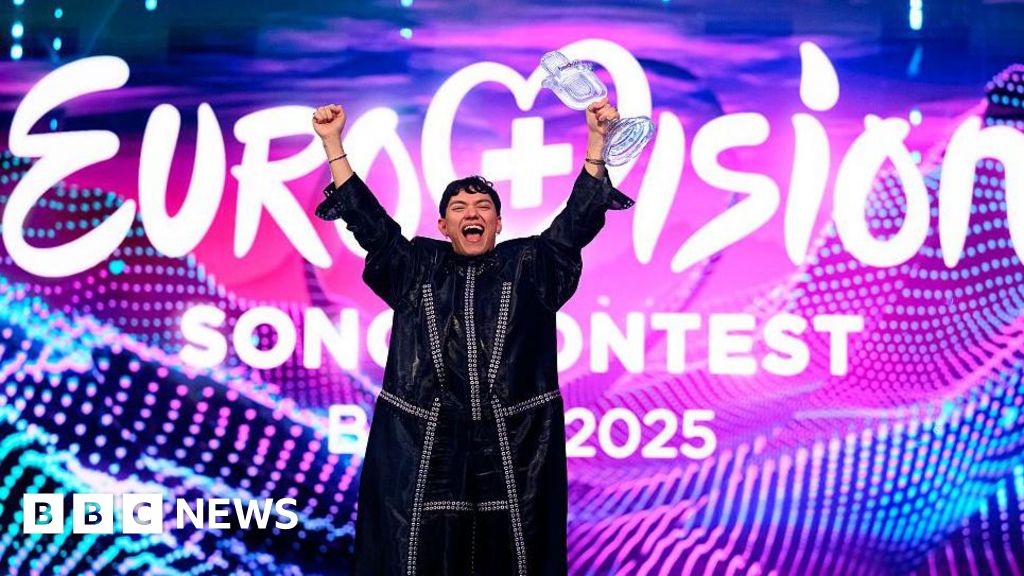
10 countries have confirmed participation in the first-ever Eurovision Asia, with a grand final to be broadcast live from Bangkok on 14 November. The event is organised by the EBU with Voxovation and S2O Productions; participants will hold national selections and the contest promises to celebrate original pop music though specific rules are not yet clarified. The launch could meaningfully boost regional media revenues, music-label investment and Bangkok tourism, but key markets (China, Japan, India) are not confirmed and existing geopolitics (boycotts over Israel, Russia's ongoing ban) present political risk.
This initiative turns a passive IP (annual pan-European live TV event) into a near-term multi-product commercial platform across a high-growth region — think rights fees, sponsored national selection shows, merchandising, tourism lift to host cities and streaming discovery economics that compound over multiple release cycles. Expect winners to be those who capture incremental attention economy flows: streaming services and CDNs that monetize short-form virality and live streams, and regional promoters who convert national selection fandom into paid touring and merchandise within 6–24 months.
Key second-order supply effects: technical capacity and localization (subtitling, low-latency streams, micropayments) will drive outsized capex and contract volumes for cloud/CDN providers and payment processors in the 3–12 month window; meanwhile local production houses and talent agencies will capture backend margin via exclusivity deals, pressuring western format-licensing fees. Fragmentation risk is material — absence of China/Japan and differing censorship rules mean the contest may scale in pockets rather than pan-Asia, keeping per-viewer monetization lower than a single-country blockbuster unless platform partnerships are nailed within the first two seasons.
Political and execution catalysts dominate the risk calendar: broadcaster sign-ups, announced streaming partners, and Bangkok tourism packages sell-through ahead of the Nov 14 final will determine commercial viability in 3–9 months; a weak inaugural audience (<50–60m global reach) or a high-profile boycott could collapse sponsor ROI and kill renewal economics within 12 months. Conversely, a single viral breakout act from a major social platform could create an Abba/Celine-Dion-style catalog tail that meaningfully re-rates labels and publishers over 2–5 years.
AI-powered research, real-time alerts, and portfolio analytics for institutional investors.
Request DemoOverall Sentiment
mildly positive
Sentiment Score
0.20
