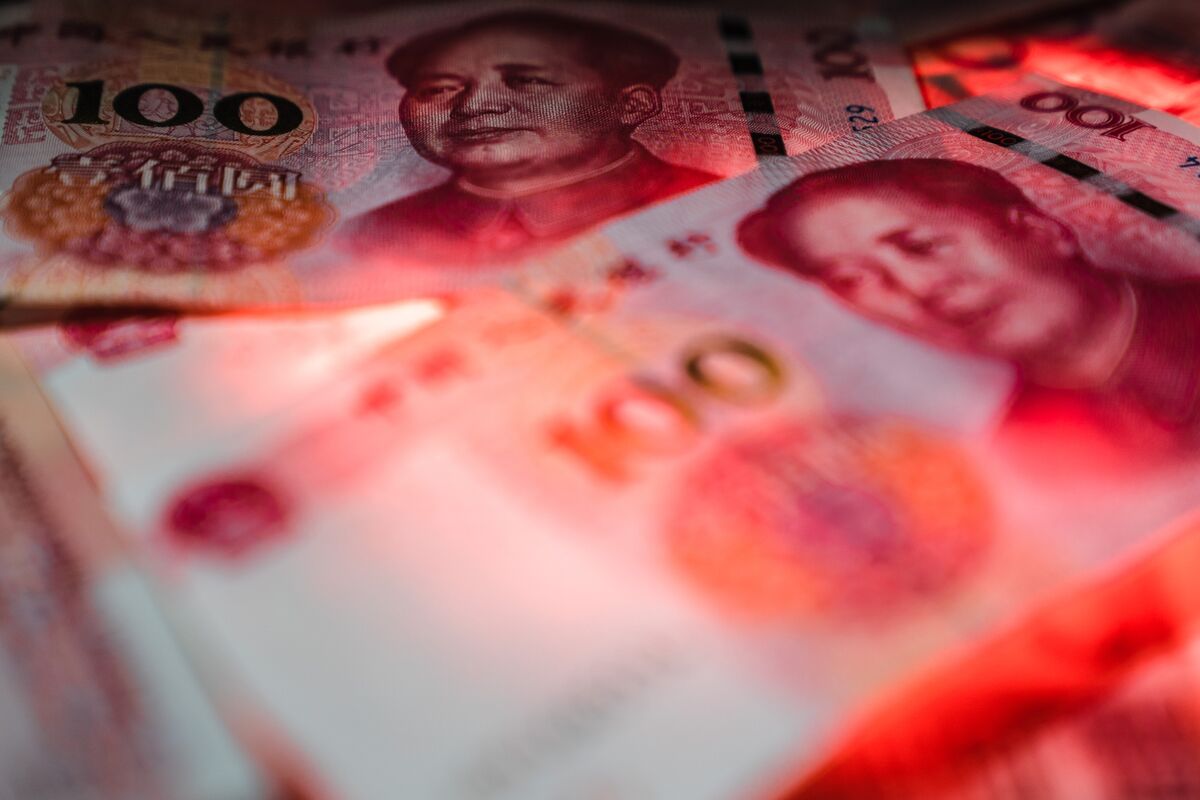
China's yuan has surged to multi-year highs against currencies of key trading partners, including the Japanese yen and South Korean won, posing a significant risk to the nation's export sector. This appreciation is a consequence of the People's Bank of China allowing the yuan to moderately strengthen against a rallying US dollar, inadvertently making it much stronger against other regional currencies and potentially exacerbating China's export challenges.
The Chinese yuan has recently appreciated to multi-year highs against key trading partner currencies, specifically the Japanese yen and South Korean won. This surge stems from the People's Bank of China's (PBOC) decision to permit a moderate strengthening of the yuan against a broadly rallying US dollar. The concurrent strength of the dollar inadvertently amplified the yuan's value against other regional currencies.
This significant currency appreciation presents a direct challenge to China's export sector, signaling a "worsening export situation" as indicated by the article. A stronger yuan makes Chinese goods more expensive for international buyers, potentially eroding the competitiveness of export-oriented industries. The overall sentiment surrounding this development is moderately negative and cautious, reflecting concerns over economic headwinds.
The interplay of PBOC's monetary policy and global currency dynamics highlights a complex environment for China's trade balance. While the PBOC's initial move might have aimed for stability against the dollar, its broader impact on cross-currency valuations creates an adverse condition for Chinese exporters. This situation underscores the delicate balance central banks must maintain in a globally interconnected financial system.
AI-powered research, real-time alerts, and portfolio analytics for institutional investors.
Request DemoOverall Sentiment
moderately negative
Sentiment Score
-0.50
