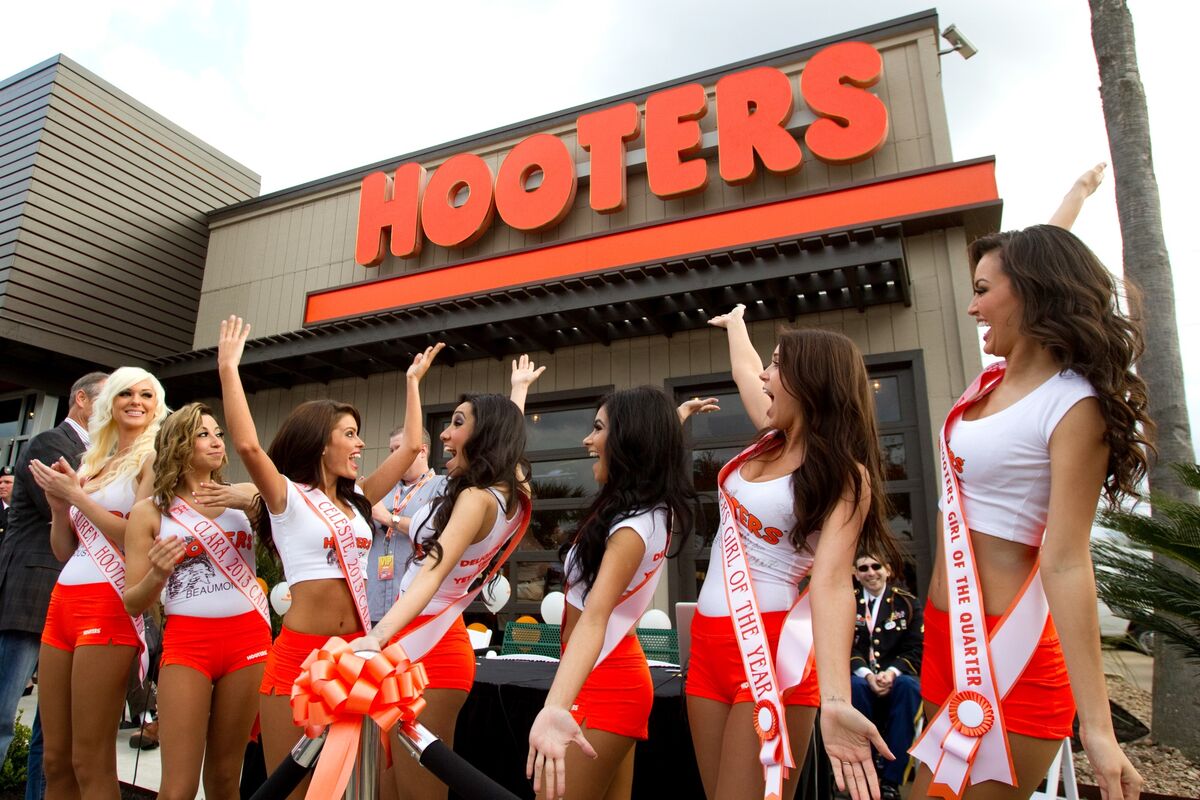
The original founders of Hooters have reacquired the restaurant chain following its bankruptcy, announcing a "re-Hooterization" strategy to restore the brand's "beachy roots." This revival plan includes a simplified menu, renewed focus on local community engagement, and a return to the original server uniforms, signaling a strategic effort to reclaim market share and profitability after financial distress.
The original founders of Hooters have successfully reacquired the restaurant chain following its bankruptcy, initiating a "re-Hooterization" strategy. This move aims to restore the brand's "beachy roots" and reclaim market share after recent financial distress. The reacquisition falls under M&A and Restructuring themes, with a focus on Company Fundamentals.
The revival plan focuses on a simplified menu, renewed local community engagement, and a return to the original server uniforms. These operational adjustments signal an attempt to leverage brand nostalgia and core identity to drive consumer demand in the competitive casual dining and leisure sector. This strategic pivot is intended to improve profitability.
While the tone surrounding the reacquisition and strategic pivot is optimistic, the overall sentiment is mixed, reflecting the brand's recent bankruptcy. The low market impact score and absence of public tickers suggest this event is primarily relevant to private equity or specialized distressed asset investors, rather than broader public market movements. The success of this turnaround will be a key indicator for the brand's future viability.
AI-powered research, real-time alerts, and portfolio analytics for institutional investors.
Request DemoOverall Sentiment
mixed
Sentiment Score
0.05
