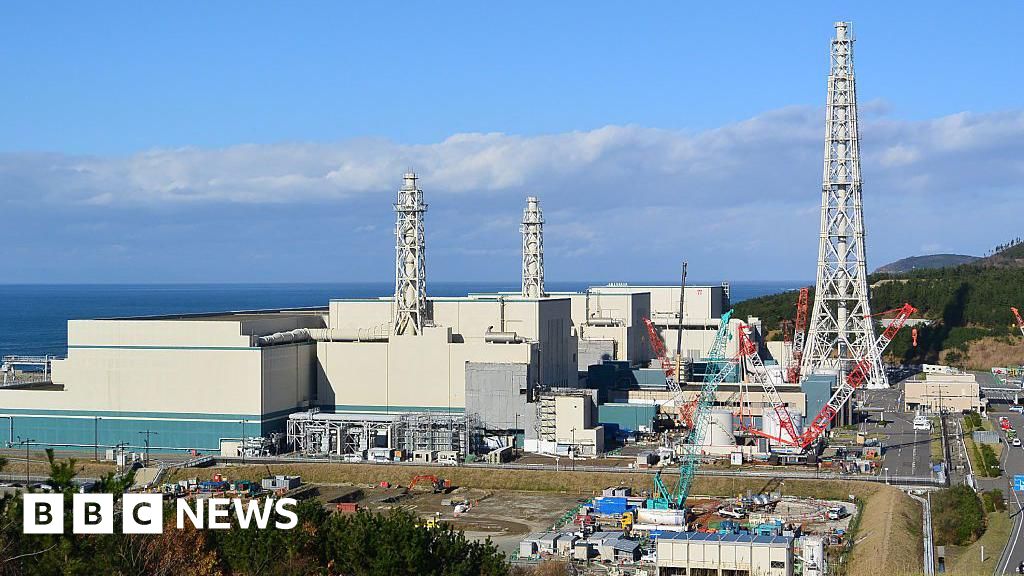
Tokyo Electric Power Company suspended operations at Kashiwazaki-Kariwa — the world’s largest nuclear plant — hours after reactor No.6 was restarted following an alarm during start-up; the reactor remains stable with no reported offsite radiation. Reactor No.6 was cleared to restart and is slated for commercial operation next month, but Tepco is investigating the alarm and broader plant capacity will be materially reduced as reactor No.7 isn’t expected until 2030 and five others may be decommissioned. The incident underscores operational and regulatory risks for Japan’s nuclear revival, with possible short-term implications for domestic power supply and the nation’s net-zero by 2050 strategy.
Market structure: The abrupt suspension at Kashiwazaki-Kariwa increases short-term demand for LNG/thermal power and grid flexibility in Japan; if only 1–2 of seven reactors operate the site could be producing >50–70% less than its full historic capacity, forcing utilities to buy incremental spot fuel. Winners: LNG exporters (US/Australia) and domestic gas/coal generators; losers: Tepco (9501.T) politically and operationally exposed and equity holders of nuclear-focused suppliers. Expect higher seasonal power spreads in JP spot markets for 1–6 months and upward pressure on Japanese import bills.
Risk assessment: Tail risks include a major regulatory clampdown or extended public moratoria that could decommission more reactors (30–100% downside to remaining restart plans) and reputational fines for Tepco; operational risk includes repeated trips delaying commercial operation beyond the announced next-month timetable. Near term (days–weeks) volatility is headline-driven; medium term (3–12 months) depends on prefectural approvals and inspection findings; long term (years) the energy mix may permanently tilt toward LNG, renewables, and storage. Hidden dependency: stronger LNG demand could lift global spot prices, feeding into inflation and BOJ policy debate.
Trade implications: Trade sized, directional opportunities include buying liquid LNG names and commodity exposure with 3–6 month time horizons and using options to cap downside; short selective Japanese utility equity exposure (9501.T) or buy protection ahead of regulatory rulings in 30–90 days. Cross-asset: consider modest USD/JPY exposure (JPY weakening) and underweight JGB duration if energy-driven inflation expectations rise. Define triggers: scale in if reactor commercial restart delayed >30 days or Niigata assembly issues resurface.
Contrarian angles: Consensus assumes flickering nuclear restarts are transitory; downside shows structural political risk—if public opposition forces decommissioning of multiple reactors, demand for long-duration storage and renewables accelerates, benefiting battery/solar names over 12–36 months (possible +20–40% re-rating vs peers). Conversely, a quick regulatory green-light would sharply compress spreads in LNG and push utilities higher; volatility is asymmetric—use option structures rather than outright directionals.
AI-powered research, real-time alerts, and portfolio analytics for institutional investors.
Request DemoOverall Sentiment
mildly negative
Sentiment Score
-0.25
