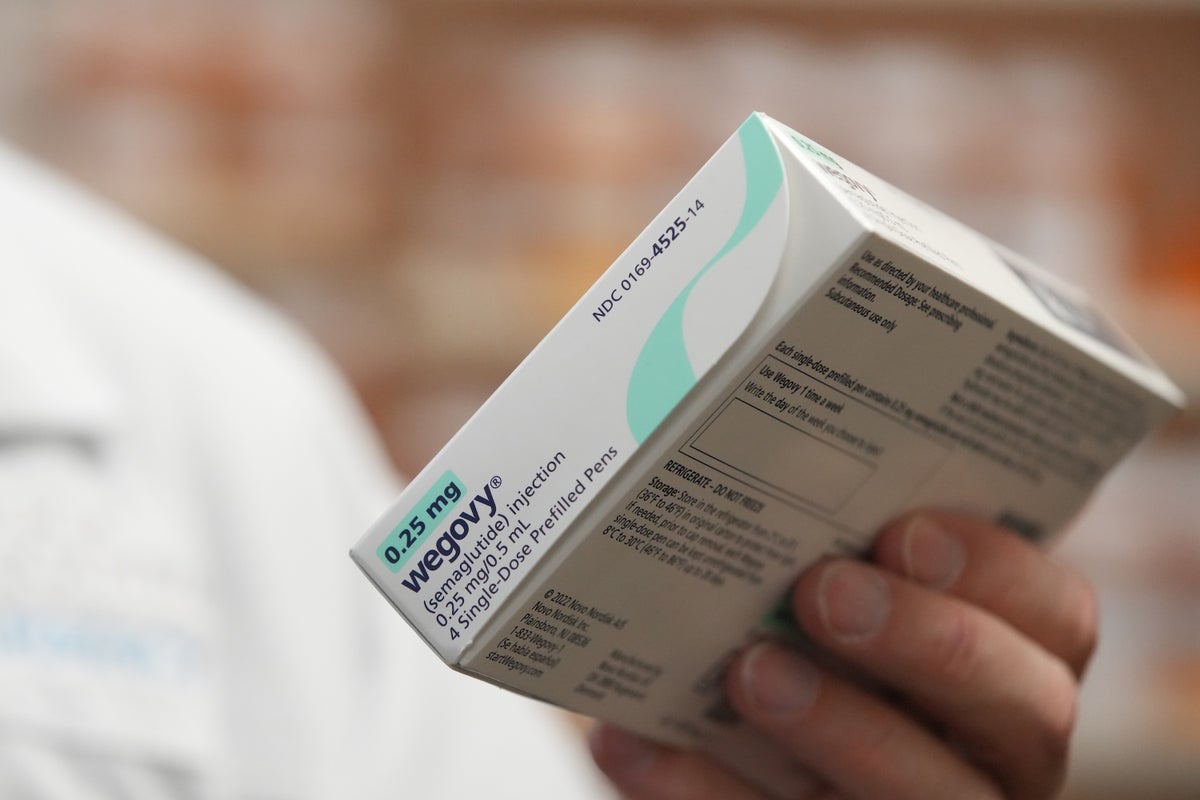
The FDA approved Novo Nordisk’s oral GLP-1 weight-loss pill (branded Wegovy) for adults, with availability in U.S. pharmacies and select telehealth providers in early January and a self-pay entry price for the 1.5 mg starting dose advertised at $149/month. Phase 3 data showed the highest daily oral dose produced 16.6% mean weight loss at 64 weeks versus 2.7% for placebo (comparable to injectable Wegovy’s reported ~17.4% reduction), though effective oral doses reach up to 25 mg and may cost more; Novo Nordisk will disclose higher-dose pricing in the new year. The approval expands accessible, lower-cost oral alternatives to injectable GLP-1s, likely affecting Novo Nordisk’s competitive positioning and pricing dynamics across the obesity drug market as rivals such as Eli Lilly advance their own GLP-1 pills.
Market structure: Novo Nordisk (NVO) gains a meaningful distribution and pricing advantage from first-to-market oral GLP-1 for obesity — pills lower friction and incremental addressable market vs injectables. Expect +5–15% incremental demand penetration within 6–12 months in self-pay segments; net effect is price pressure on weekly injectables and margin tailwinds for NVO if higher-dose oral pricing scales. Smaller injectables-focused peers and compounding clinic models are the near-term losers.
Risk assessment: Key tail risks are payer resistance/reimbursement delays, unexpected safety/regulatory actions (post-marketing GI adverse-event clusters), and manufacturing scale issues for large milligram oral doses. Time buckets: immediate (days) — sentiment move; short-term (0–3 months) — pricing disclosures and telehealth rollouts; medium (3–12 months) — payer coverage, script volume; long-term (12+ months) — competitive entry (LLY in Mar 2026) and margin normalization. Hidden dependencies include strict dosing protocol (empty stomach), which may cap real-world adherence by an unknown multiplier (assume 10–30% lower than trials).
Trade implications: Favor NVO equity exposure to capture launch and pricing optionality but size positions given unknown high-dose pricing; use call spreads to limit premium and buy protective puts against regulatory headlines. Relative trade: long NVO vs short LLY (dollar-neutral) to express first-mover oral advantage through 12–18 months. Monitor specific catalysts — higher-dose price release (January), CMS/major insurer coverage decisions (90–180 days), and monthly script volumes in Q1 as execution checkpoints.
Contrarian view: The market understates adherence friction and higher marginal cost of oral doses (25 mg vs 2.4 mg injections), which can widen gross margins uncertainty — if Novo’s higher-dose pricing >$400/month or patient drop-off >25% vs trial, upside compresses. Historical parallel: first-to-market formulation wins initially (insulin analogs) but faces rapid competitive price erosion once multiple entrants emerge; expect a 20–40% price normalization window within 12–24 months as entrants scale.
AI-powered research, real-time alerts, and portfolio analytics for institutional investors.
Request DemoOverall Sentiment
moderately positive
Sentiment Score
0.42
Ticker Sentiment
