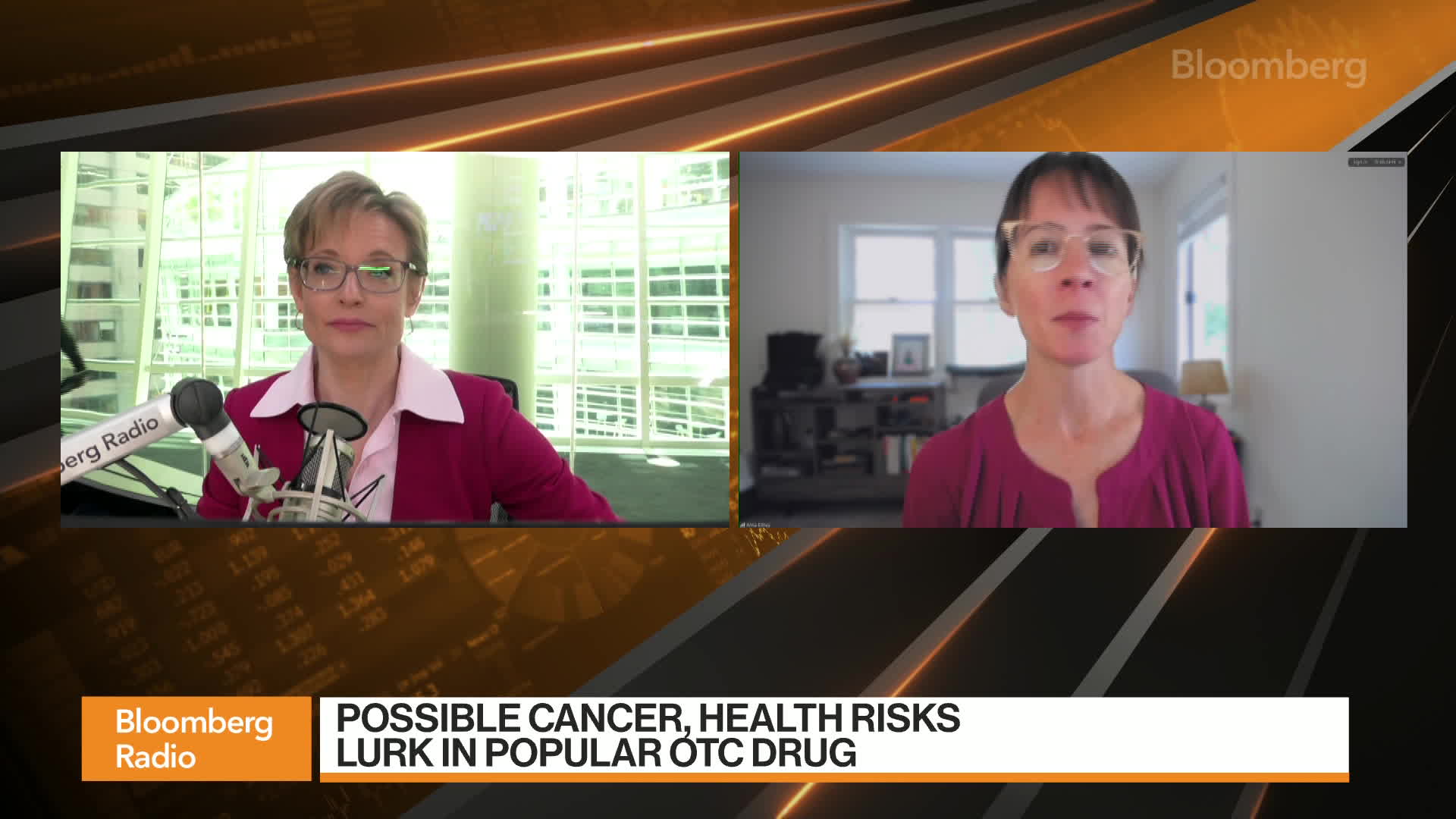
Bloomberg reports that some over-the-counter urinary tract infection (UTI) treatments, containing methenamine and sodium salicylate, may pose health risks due to the salicylate component, which is similar to aspirin and can cause bleeding, especially when taken with blood thinners; the FDA is currently reviewing the safety of these products, prompting concerns about potential regulatory changes and market impact for manufacturers.
Bloomberg has highlighted potential health risks associated with certain over-the-counter (OTC) urinary tract infection (UTI) treatments formulated with methenamine and sodium salicylate. The primary concern centres on the salicylate component, which shares properties with aspirin and may lead to increased bleeding risks, particularly for individuals concurrently using blood-thinning medications. The U.S. Food and Drug Administration (FDA) is reportedly conducting a safety review of these products. This regulatory scrutiny introduces uncertainty for manufacturers, who could face requirements for product reformulation, enhanced warning labels, or even market withdrawal, any of which could negatively impact sales volumes and incur additional operational costs. The overall market sentiment surrounding these specific products is consequently negative and cautious, reflecting the potential for adverse regulatory outcomes and subsequent market impact on their producers.
AI-powered research, real-time alerts, and portfolio analytics for institutional investors.
Request DemoOverall Sentiment
Negative
Sentiment Score
-0.40
