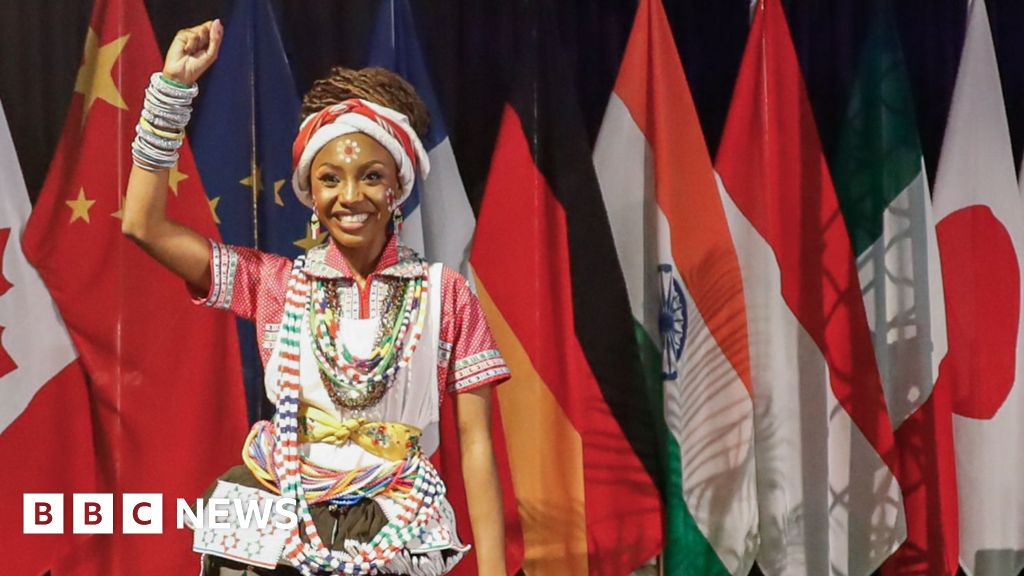
South Africa, as the first African G20 president, is pushing a developing‑country agenda—cheaper borrowing, climate finance, greater African participation and domestic processing of critical minerals—and has won backing from France, the UK and the EU, which agreed to boost extraction and local processing. The summit has been eclipsed by US President Donald Trump’s decision not to attend amid sharply deteriorated bilateral ties (including an expelled ambassador, aid cuts and 30% tariffs), with Washington ultimately sending only a small diplomatic team for the handover, raising concerns about potential exclusion when the US assumes the presidency next year. South African officials and analysts say the US absence could create space for middle powers to build consensus and issue a leaders’ declaration, so meaningful policy wins on debt costs and minerals value chains remain possible, even as the efficacy of multilateral coordination faces broader scepticism.
South Africa used its G20 presidency to prioritize developing-country issues: cheaper borrowing (poorer countries pay two to four times higher interest), climate-change financing, greater African participation in multilateral forums and domestic processing of critical minerals, and has secured backing from France, the UK and the EU on a deal to boost extraction and local processing. These are tangible policy levers aimed at value-chain capture and debt-cost relief that, if translated into commitments, could affect commodities processing, capital flows and sovereign financing dynamics.
The summit has been dominated by US President Donald Trump’s decision not to attend after escalating bilateral tensions — including the expulsion of South Africa’s ambassador, aid cuts and 30% tariffs — and an initial plan to send JD Vance that was rescinded; Washington ultimately sent only a small diplomatic team for the handover. Other major leaders are sending senior representatives (China sent Premier Li Qiang; Putin is absent), so diplomatic engagement is uneven but not uniformly reduced.
Analysts argue the US absence may create space for middle powers to build consensus and issue a leaders’ declaration, but risks remain that deteriorating US ties could translate into higher perceived political risk, potential exclusion during the US presidency next year, and upward pressure on South African borrowing costs and the rand. Given the article's mixed/uncertain market-impact assessment (0.25), the immediate market reaction is likely to be modest while investors await concrete implementation details of mineral-processing agreements and any IMF/multilateral actions on borrowing costs.
AI-powered research, real-time alerts, and portfolio analytics for institutional investors.
Request DemoOverall Sentiment
mixed
Sentiment Score
0.00
