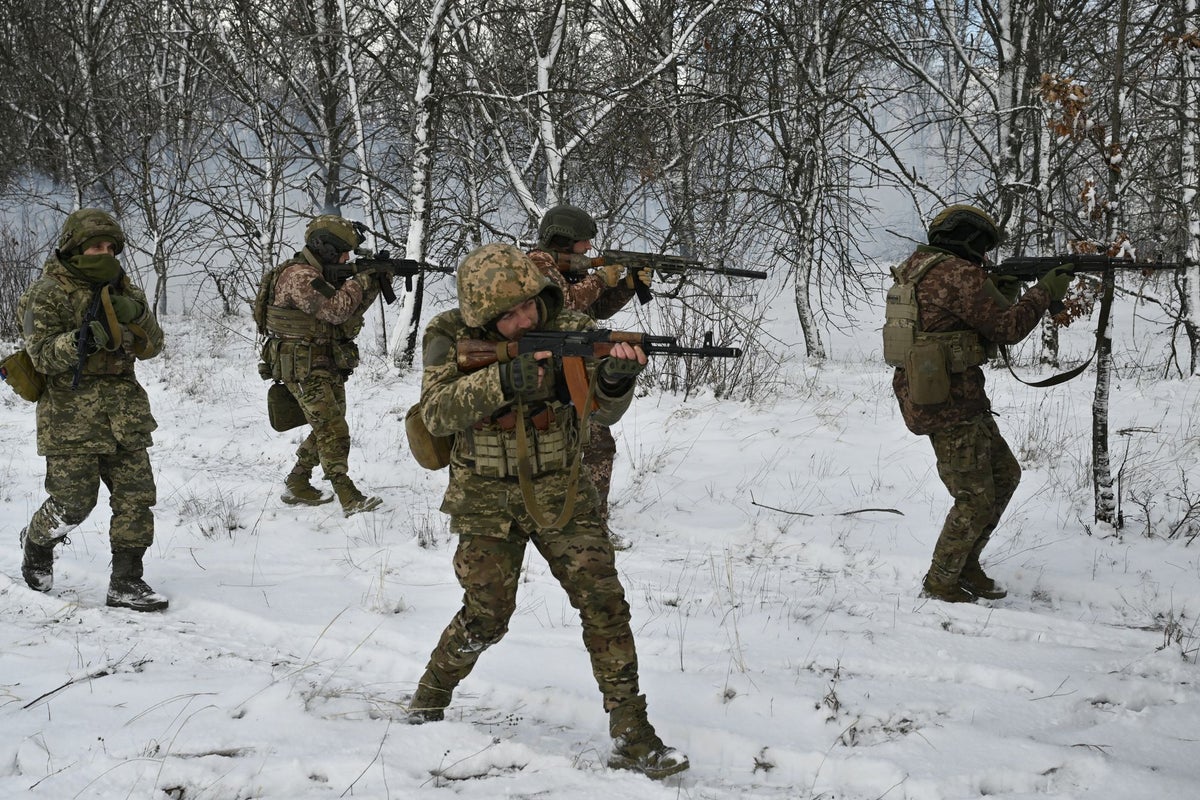
Ukraine said its frontline position is the strongest in a year, citing drone warfare and air defense, while an ISW analysis said Russia’s March territorial gains were its weakest since 2024. The EU is moving toward finalizing a €90 billion loan package for Ukraine, with €45 billion planned for 2026 and €45 billion for 2027, and new sanctions against Russia are set to proceed after Hungary lifted its veto. Separately, Ukrainian drones reportedly struck a Russian oil pumping station, causing damage to three tanks and a fire over 20,000 square metres.
The market implication is less about a near-term ceasefire and more about a shifting cost curve in the war. Better Ukrainian drone effectiveness raises the probability of persistent disruption to Russian rear-area logistics and energy infrastructure, which is a slow-burn negative for Russian export reliability rather than a one-off headline risk. That matters because once investors internalize that supply interruptions can be created cheaply and repeatedly, the discount rate on Russian-linked flows stays elevated even if kinetic intensity fluctuates.
The EU financing breakthrough is the bigger medium-term stabilizer: it de-risks Ukraine’s fiscal runway and reduces the odds of an abrupt funding gap forcing battlefield concessions. That should support European defense procurement visibility, especially for firms tied to munitions, air defense, ISR, and drone countermeasures, because a funded war tends to become a procurement cycle, not a one-time replenishment event. The second-order effect is on sovereign spreads and bank risk weights in frontier Europe, but the bigger trade is that Brussels has effectively signaled it is willing to socialize more of the conflict cost for 2026-27.
Energy is the clearest cross-asset transmission. Continued attacks on Russian pipeline and pumping assets add a geopolitical premium to diesel and crude logistics, while also increasing the value of non-Russian supply and of midstream resilience. The contrarian point is that the current headlines likely overstate the chance of immediate peace but understate the probability of intermittent infrastructure shocks that keep European energy volatility bid for months, even without a material move in front-end Brent.
The near-term risk is political: a change in U.S. negotiation bandwidth or a sudden de-escalation could compress defense and oil-volatility premia quickly. But absent that, the asymmetry favors owning beneficiaries of prolonged attrition and financing certainty, not trying to fade the war premium prematurely.
AI-powered research, real-time alerts, and portfolio analytics for institutional investors.
Request TrialOverall Sentiment
mildly negative
Sentiment Score
-0.15
