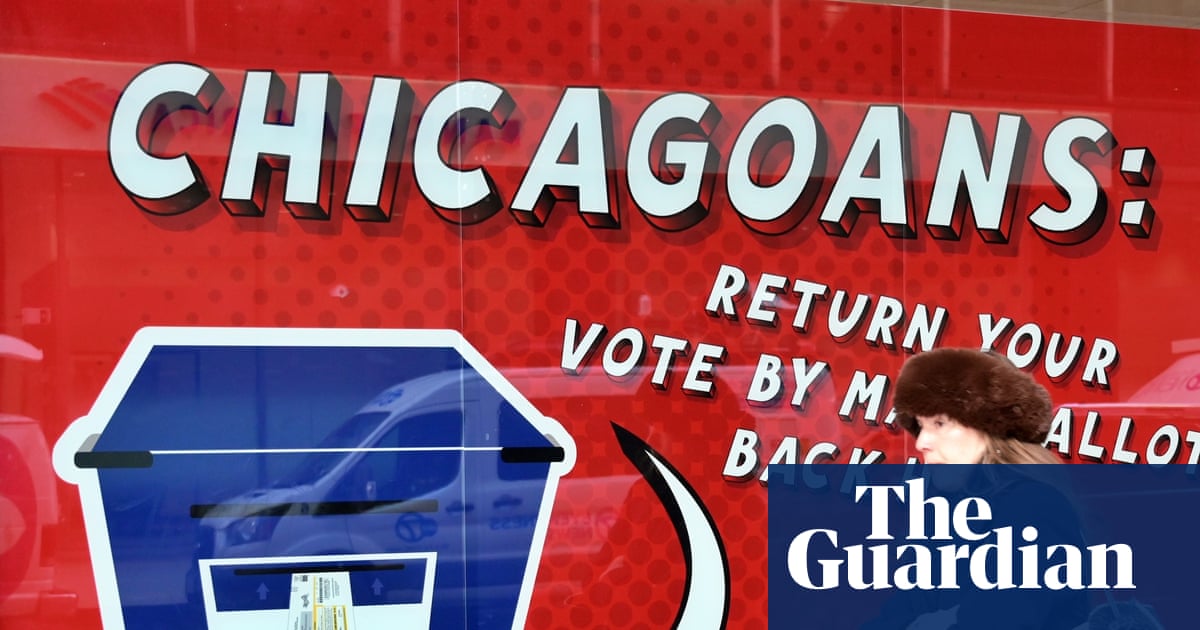
Five Democratic primaries in Illinois concluded with Daniel Biss (IL-9), Donna Miller (IL-2), La Shawn Ford (IL-7), Melissa Bean (IL-8), and Patty García (IL-4) winning nominations in heavily Democratic districts, making them favorites for the November general elections. The contests were notable for intense outside spending and intra-party divisions over Israel, with Aipac-linked groups playing a controversial role in several races. For portfolios, direct market impact is minimal, though the results signal ongoing factional dynamics within the Democratic Party that could influence legislative priorities and donor-driven policy advocacy ahead of the midterms.
Outside spending concentrated in low-competition primaries is functionally a demand shock for political ad inventory: dollars flow to platforms and programmatic intermediaries in lumpy bursts tied to campaign calendars rather than steady advertiser budgets. That creates 2–4 quarter windows where companies with superior first‑party data and scale (search and social incumbents) can capture outsized CPM/rate growth, while smaller ad-tech players face margin squeeze and duration mismatch between ad revenue and fixed tech costs. The electoral split over foreign policy creates a persistent tail risk for geopolitics-linked budget action: if domestic pressure sustains a pro‑support coalition, expect episodic emergency or supplemental funding bills within 3–12 months that favor large defense primes and specialty suppliers (munition makers, ISR systems) over cyclicals. Conversely, any credible de‑escalation or bipartisan deal to limit foreign aid would compress that upside quickly — correlation with headline risk is high and timing is binary around major events. Locally, winners with healthcare/municipal relationships raise a modest procurement/managed‑care flow opportunity for regional providers and IT services in the 6–18 month window; however, the bigger structural read is on regulatory scrutiny of third‑party political spending and payment flows. Increased disclosure/regulation—if it materializes—would be a persistent negative for ad monetization models that rely on opaque funding channels, amplifying dispersion between scale winners and niche ad-tech vendors.
AI-powered research, real-time alerts, and portfolio analytics for institutional investors.
Overall Sentiment
neutral
Sentiment Score
0.00
