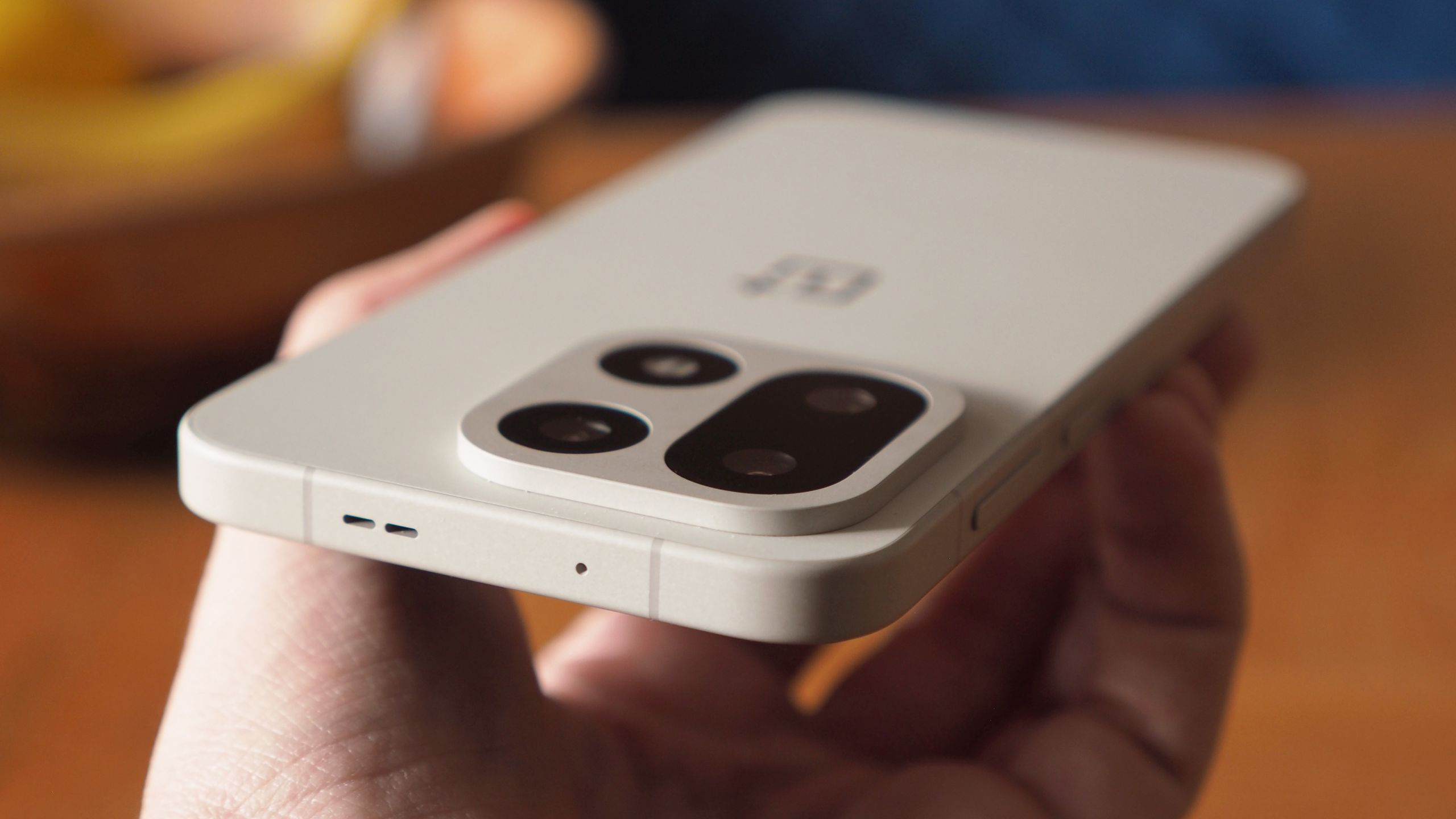
OnePlus is reportedly planning to use a 200-megapixel sensor as the telephoto camera on the OnePlus 16, mirroring Oppo/Realme's approach to boost hybrid zoom fidelity. The device is also tipped to use the unannounced Snapdragon 8 Elite Gen 6 and may carry a price increase as OnePlus shifts toward the flagship market, with a launch timeframe possibly tied to the Snapdragon Summit in September.
A shift in flagship camera ambitions will reallocate value upstream: imaging sensor and optical-module suppliers will see ASP and margin expansion before OEMs capture the benefits. Expect incremental revenue to concentrate in a small set of suppliers with advanced wafer capacity and precision assembly lines; when wafer/job-shop constraints bind, order calendars and lead times (measured in quarters) become the dominant gating factor for handset rollouts.
Higher per-pixel data volumes change the compute and thermal budget inside phones — more aggressive on-device denoising and hybrid zoom pushes demand for higher-performance ISPs/NPUs and second-source memory bandwidth. That increases the strategic importance of SoC partners and advanced foundry nodes for both performance and power efficiency; handset design cycles will lengthen as manufacturers iterate on battery and thermal solutions to sustain new camera features without user complaints.
A repositioning upmarket by formerly value-driven brands narrows the retail gap with entrenched premium incumbents, creating a pricing/mix tradeoff: near-term ASP lift vs longer-term volume churn among price-sensitive cohorts. Marketing and software tuning will be the marginal deciding factor for perceived camera quality — computational stacks and post-sale updates will therefore be key catalysts, not just hardware specs.
Key downside scenarios are supply-led (sensor/fab bottlenecks or yield issues), software underdelivery (computational processing fails to match expectations), or an aggressive pricing response from incumbents that preserves share via subsidies. Time horizons: watch component bookings and foundry utilization over the next 2-6 quarters; watch product announcements and post-launch photo comparatives over the first 3 months after launch for early market signalling.
AI-powered research, real-time alerts, and portfolio analytics for institutional investors.
Request DemoOverall Sentiment
mildly positive
Sentiment Score
0.20
