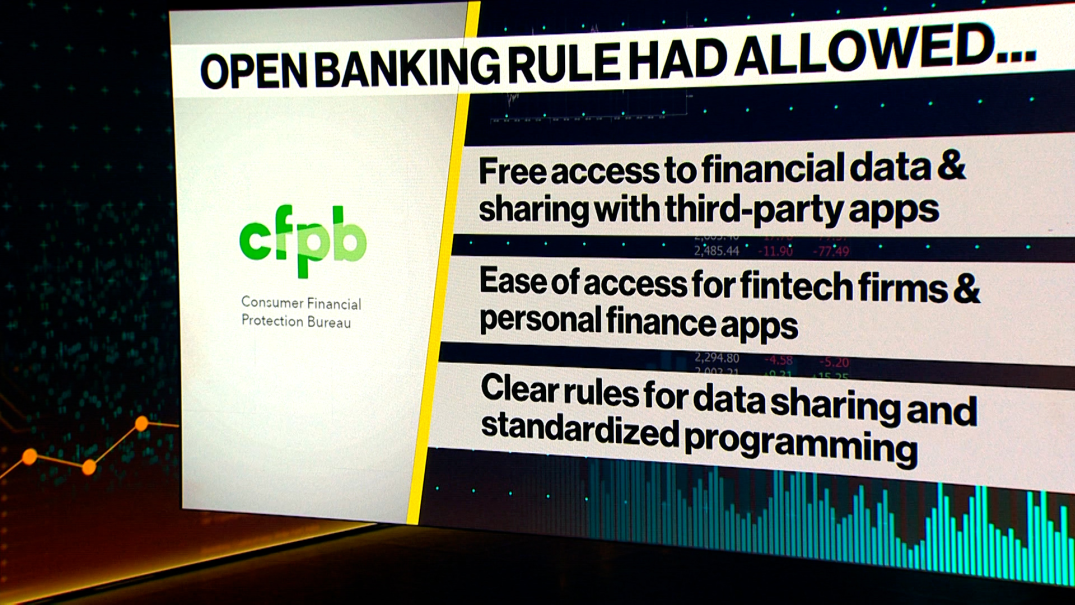
JPMorgan is intensifying its dispute with financial technology companies regarding access to and control over customer data. This move signals a significant industry battle over data ownership and interoperability, potentially impacting the competitive landscape between traditional banks and fintech innovators while drawing increased scrutiny from regulators on data sharing protocols.
JPMorgan Chase & Co. (JPM) is escalating its strategic conflict with financial technology firms over the control and access to customer data, a move that carries significant implications for the competitive dynamics within the financial services industry. The dispute centers on data ownership and interoperability, with JPM's actions potentially aimed at enhancing cybersecurity and reinforcing its competitive moat against disruptive innovators. However, this strategy introduces considerable uncertainty and risk, reflected in the mildly negative sentiment score (-0.2). For the fintech sector, particularly companies whose business models depend on data aggregation, this poses a direct operational threat that could stifle growth. The conflict is drawing increased scrutiny from regulators, raising the possibility of new rules governing data sharing protocols, which could touch on themes of antitrust and consumer data rights. The situation positions JPM at the center of a pivotal industry battle that will shape the future of open banking in the U.S.
AI-powered research, real-time alerts, and portfolio analytics for institutional investors.
Request DemoOverall Sentiment
mildly negative
Sentiment Score
-0.20
Ticker Sentiment
