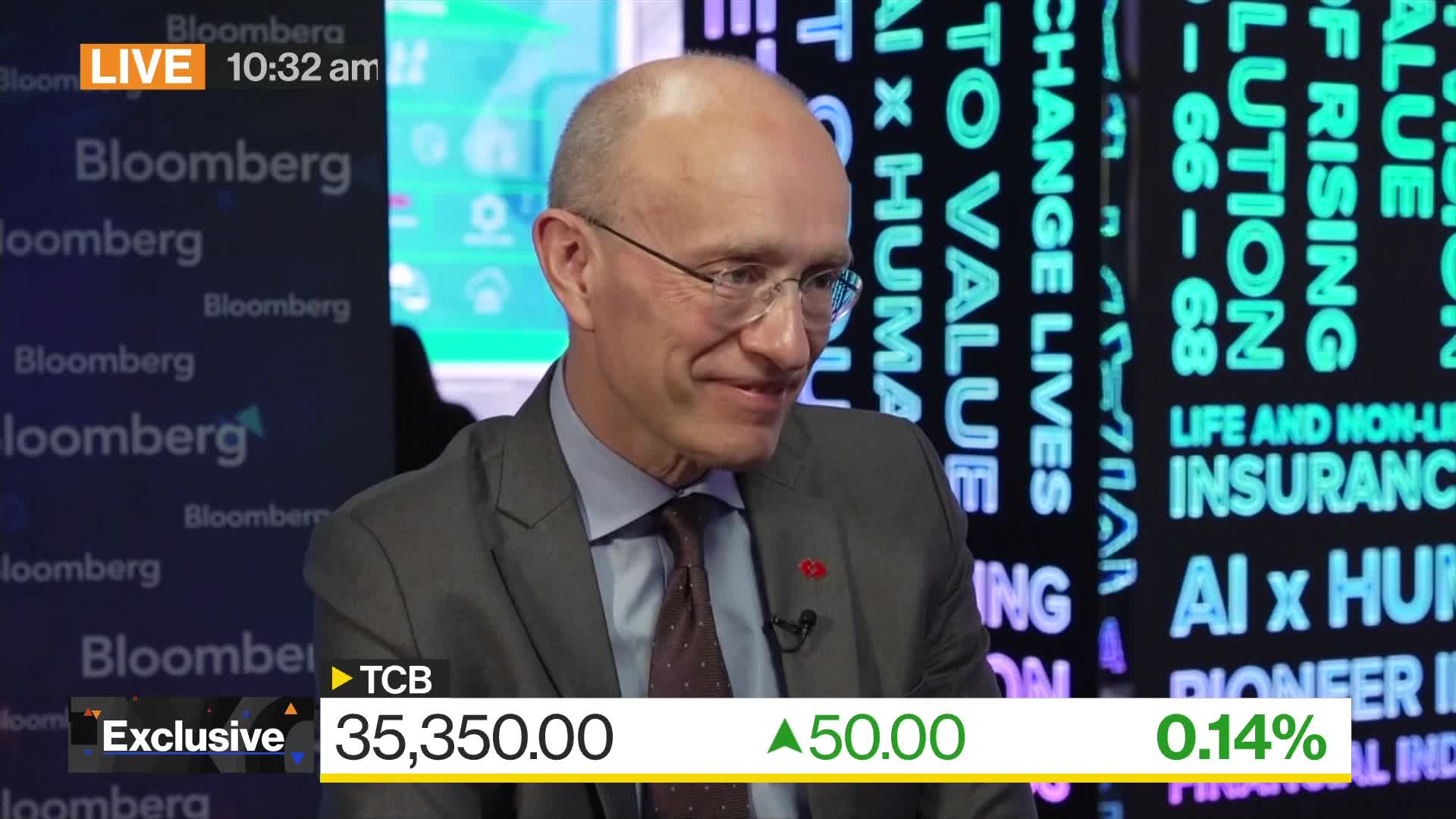
Techcombank CEO Jens Lottner stated that a potential 20% US tariff on Vietnamese goods would not deter future foreign direct investment (FDI) into Vietnam, paradoxically viewing it as a "good sign" for the country. This perspective, shared from the Techcombank Investment Summit 2025, suggests a resilient outlook on Vietnam's investment landscape despite evolving trade dynamics.
Techcombank CEO Jens Lottner has expressed a notably optimistic view on Vietnam's economic resilience, stating that a potential 20% US tariff on its goods would not deter foreign direct investment (FDI). Speaking from the Techcombank Investment Summit 2025, Lottner characterized the hypothetical tariff as a 'good sign,' implying that Vietnam's position in the global economy is now significant enough to attract such attention. This perspective suggests a strong underlying confidence in the structural attractiveness of Vietnam for foreign capital, particularly in the context of global supply chain diversification. The statement posits that the long-term strategic benefits of investing in Vietnam are perceived to outweigh the financial impact of a substantial new tariff, signaling a robust outlook despite potential trade policy headwinds.
AI-powered research, real-time alerts, and portfolio analytics for institutional investors.
Request DemoOverall Sentiment
strongly positive
Sentiment Score
0.70
