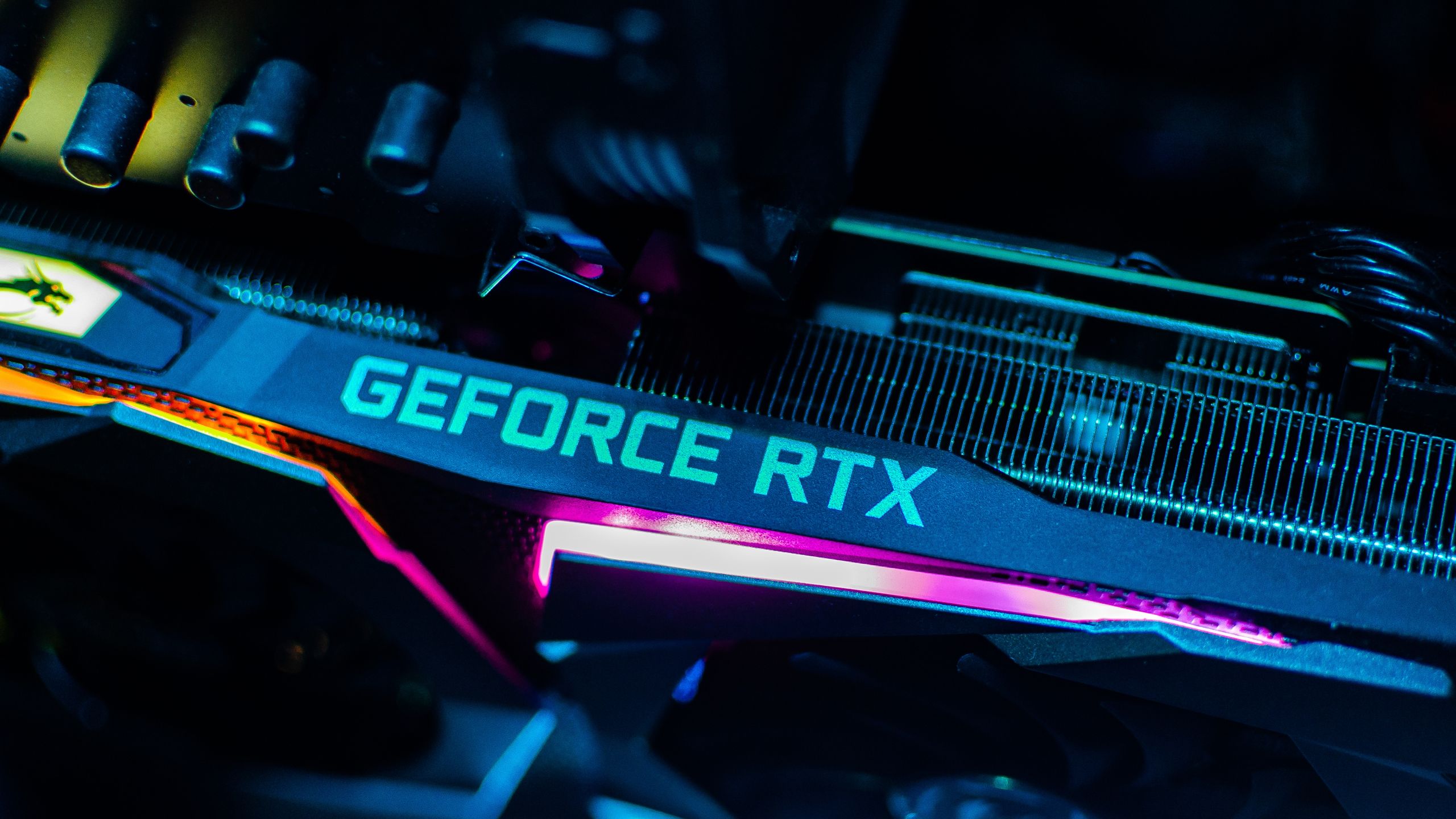
Nvidia released a beta of DLSS 4.5 ahead of an official January 13 rollout, introducing an upgraded Super Resolution transformer model optimized for GeForce RTX 40- and 50-series GPUs plus a new 6X Multi-Frame Generation mode and Dynamic Multi-Frame Generation. Early hands-on testing in Cyberpunk 2077 recorded modest frame-rate gains (approximately 3–5 FPS in Performance mode and 5–7 FPS in Ultra Performance) and perceived image-quality improvements, indicating incremental product-driven enhancements that could modestly support GeForce demand and ecosystem value.
Market structure: Nvidia (NVDA) is the clear direct beneficiary — improved DLSS 4.5 increases perceived GPU value for RTX 40/50 owners and can support higher ASPs and longer upgrade cycles; expect modest pricing power lift (10–50bp gross margin upside) across next 2–4 quarters if OEMs promote DLSS as a differentiator. Secondary winners: game engines (Unreal/Unity integrations), cloud-gaming providers and GPU-accelerated software vendors; losers: incumbent GPU share-takers (AMD) and mid-cycle upgrade demand that could be compressed if upscaling extends useful life of existing cards. Cross-asset: NVDA equity upside should compress option skew and raise implied vol near driver/launch events (Jan 13); modest risk-on tilt could tighten core IG spreads and pressure gold as tech flows back into equities.
Risk assessment: Tail risks include tightened US/China export controls or an EU antitrust probe within 6–18 months that could cut TAM in China by >10% — price shock to NVDA could exceed 30% if China sales constrained. Short-term operational risks (driver bugs, poor game-porting) could reverse sentiment within days–weeks; monitor driver hotfix cadence and official game certification counts as leading indicators. Hidden dependency: monetization is indirect — DLSS adoption increases demand only if OEMs/retailers convert better demos into GPU sales; paradoxically, superior upscaling could slow unit replacement over 12–24 months.
Trade implications: Direct play: establish a 2–3% long position in NVDA ahead of the Jan 13 release with a 10% stop; hedge with 1–1.5% notional of 3‑month 10% OTM puts to limit downside. Pair trade: long NVDA / short AMD (AMD) dollar-neutral 1:1 for 3–6 months to capture relative share gains. Options: buy 3–6 month 30-delta calls or 6-month call spreads (buy 30-delta, sell 10–20% higher strike) to cap premium; sell short-dated covered calls for income if already long. Rotate 2–4% portfolio weight from cyclical hardware names into semiconductor capital equipment (ASML, AMAT) and memory (MU) for 3–12 month exposure to capex lift.
Contrarian angles: Consensus overweights immediate revenue impact — DLSS is a feature, not a direct revenue stream; the market may be underestimating a substitution effect where better upscaling reduces near-term GPU unit demand by 5–10% over a year. Historical parallel: Intel’s software optimizations that temporarily boosted share but did not change long-term CPU replacement cycles. Unintended consequence: rapid visual quality improvements could accelerate developer reliance on proprietary Nvidia tech, raising regulatory and switching-cost risks that could ultimately cap NVDA multiples if rivals are locked out.
AI-powered research, real-time alerts, and portfolio analytics for institutional investors.
Request DemoOverall Sentiment
mildly positive
Sentiment Score
0.30
Ticker Sentiment
