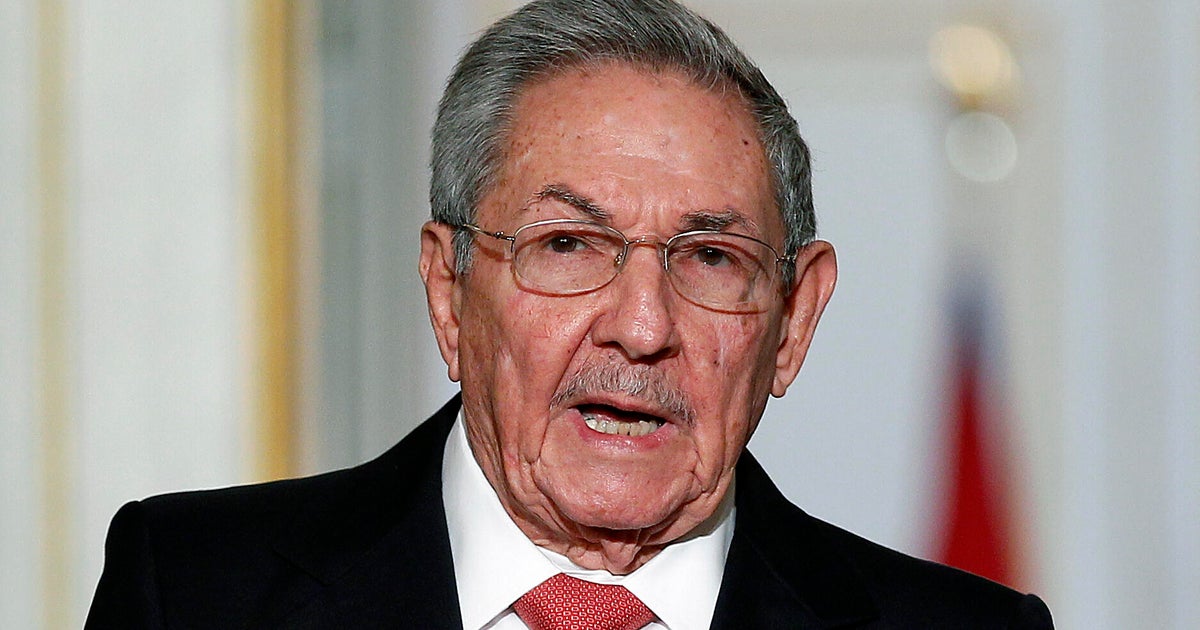
The U.S. is reportedly moving to indict Raúl Castro over the 1996 shootdown of two Brothers to the Rescue planes that killed four people, escalating pressure on Cuba. The administration is also threatening heavy tariffs on countries that export oil to Cuba, a move already contributing to energy shortages on the island. The article signals continued U.S.-Cuba confrontation, but the direct market impact is likely limited.
This is less about a single indictment and more about a multi-layer pressure campaign that expands the U.S. playbook from sanctions into quasi-legal regime risk. The second-order effect is to raise the perceived cost of doing business with Havana for counterparties that are already marginal: shipping intermediaries, fuel traders, insurers, and regional governments that may be forced to choose between Cuban volumes and U.S. access. In the near term, that is mildly bearish for Caribbean logistics and any localized credit exposure tied to Cuban settlement flows, but the larger market signal is that Washington is testing how much coercion can be layered before triggering a diplomatic off-ramp. The energy angle matters more than the historical case itself. If pressure succeeds in further constraining oil inflows, the binding constraint is not headline GDP but power reliability, which can quickly spill into tourism, telecom uptime, and food distribution. That creates a negative feedback loop: shortages weaken services, services weaken hard-currency inflows, and the state has less ability to stabilize imports. The timeline is weeks to months, not years, because fuel inventories and generation capacity are the immediate choke points. Contrarian read: the market may be overestimating the probability that legal escalation changes policy in Havana quickly. A 94-year-old symbolic target does not necessarily alter decision-making inside the security apparatus, and public escalation can actually harden the regime’s internal cohesion. The more durable catalyst would be a change in enforcement against third-party oil suppliers or a broadened sanctions package; without that, the indictment is mainly rhetoric with limited incremental economic bite beyond already-tight conditions.
AI-powered research, real-time alerts, and portfolio analytics for institutional investors.
Overall Sentiment
mildly negative
Sentiment Score
-0.25
