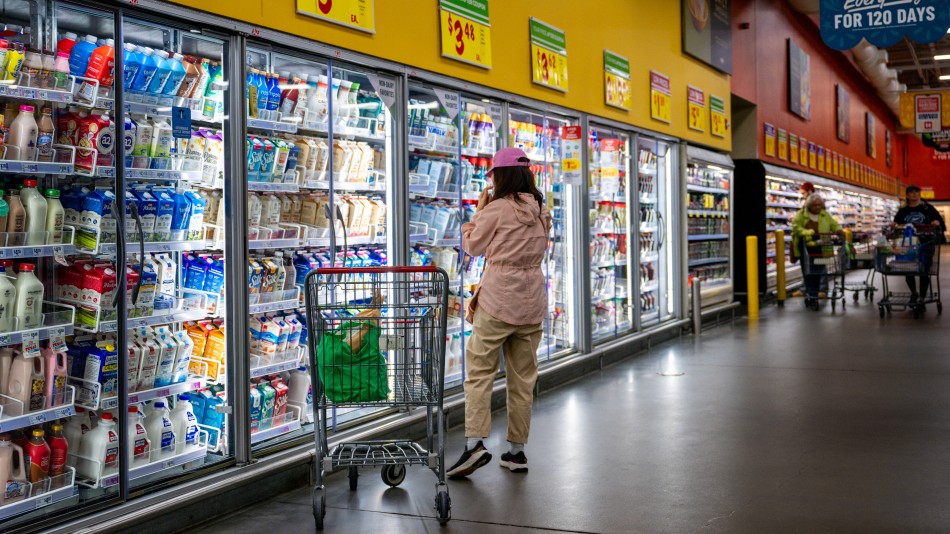
University of Michigan Surveys of Consumers Director Joanne Hsu says US consumers remain frustrated by persistent high prices and increasingly perceive the labor market as weakening, with many expecting conditions to worsen before improving. That combination of price pressure and deteriorating job sentiment underscores downside risks to consumer spending and could weigh on the near‑term economic outlook if perceptions translate into reduced household demand.
University of Michigan Surveys of Consumers Director Joanne Hsu said consumers remain frustrated by persistent high prices and increasingly perceive the labor market as weakening, with many expecting conditions to worsen before they improve. The direct quote — "Consumers are still worried that things are going to get worse before they get better" — underscores a deterioration in sentiment that historically leads to precautionary behavior by households.
Signal outputs classify the tone as pessimistic with a moderately negative sentiment score of -0.45 and a market impact score of 0.35, and themes include Economic Data, Inflation, and Consumer Demand & Retail. The combination of elevated price pressure and weakening job perceptions increases downside risks to consumer spending and therefore to near‑term retail sales and cyclical earnings if perceptions are validated by subsequent hard data.
For investors, the current information points to caution rather than decisive market-moving evidence: there are no company-specific disclosures or earnings figures in this report and the market impact score indicates modest immediate market disruption. The key near‑term risk is that negative sentiment becomes self‑fulfilling and reduces household demand, which would favor defensive positioning until surveys and incoming consumption and labor reports show stabilization.
AI-powered research, real-time alerts, and portfolio analytics for institutional investors.
Request DemoOverall Sentiment
moderately negative
Sentiment Score
-0.45
