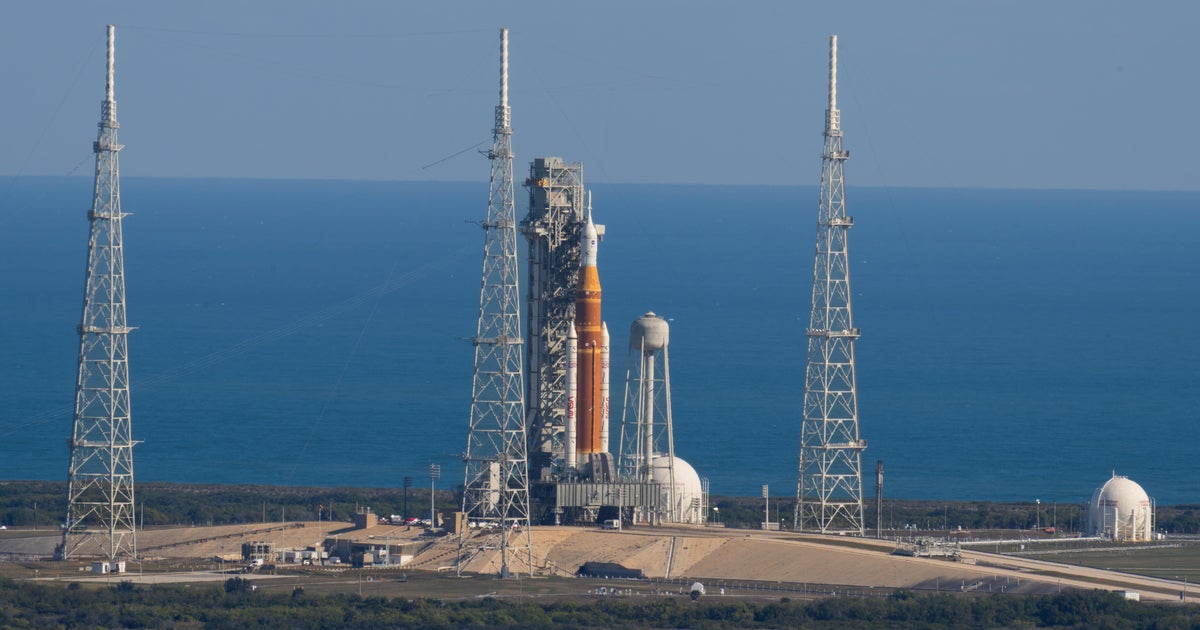
NASA postponed a dress-rehearsal fueling test for the Artemis II Space Launch System from Saturday to Monday because of an extreme-cold snap at the Florida launch site, and pushed the earliest launch to no earlier than 11:20 p.m. EST on Feb. 8, leaving Feb. 8, 10 and 11 as the remaining February windows before a likely slip to early March. Engineers will load more than 750,000 gallons of supercold hydrogen and liquid oxygen during the wet dress rehearsal to check for leaks; schedule risks also affect a separate Crew-12 ISS mission (SpaceX Falcon 9) which may be delayed until after Artemis II returns, as the moon mission has launch priority absent a station emergency.
Market structure: The immediate economic impact of a 2–7 day Artemis II slip is concentrated on NASA contractors (Lockheed Martin LMT, Boeing BA, Northrop Grumman NOC, Aerojet Rocketdyne AJRD) and specialist suppliers (Maxar MAXR, industrial-gas names like APD). SpaceX’s Falcon 9 cadence for Crew-12 means launch scheduling competition — civilian launch windows are zero-sum in Feb–Mar 2026, preserving pricing power for prime contractors but increasing short-term revenue timing risk. Liquids demand (LOX/H2) is marginal vs global commodities; credit spreads for small suppliers could widen by ~10–30bp on visible program slips.
Risk assessment: Tail risk is a hardware failure during the wet dress forcing a multi-month program delay; that could create $100M+ incremental costs and trigger government audits/regulatory reviews, pressuring contractor margins. Immediate (days): option-implied vol for BA/LMT/AJRD likely spikes 10–30%; short-term (weeks–months): revenue timing and backlog recognition shift; long-term (quarters–years): sustained government funding and monopoly tech positions cushion fundamentals. Hidden dependency: schedule interlock with ISS Crew-12 (SpaceX) creates substitution risk — a NASA priority call can cascade delays across multiple contract P&Ls.
Trade implications: Tactical trades should exploit timing/volatility, not program fundamentals. Favor selective long exposure to LMT and AJRD for 3–12 months (backlog + engine/service demand), hedge execution risk with short BA exposure or BA puts. Consider pair trades (defense primes vs pure-play launch integrators) and short-dated option structures around wet-dress outcomes (2–6 week expiries) to monetize event risk. Rebalance broader portfolios into defense/satellite services (LMT, MAXR) and away from execution-risk-heavy primes if slips extend >30 days.
Contrarian angles: The market may over-penalize primes on every operational delay; consensus underestimates guaranteed budget support and long lead times for deep-space hardware. If wet dress succeeds, expect a quick mean-reversion: 5–12% bounce in contractors inside 1–2 weeks. Conversely, a >30-day slip is underpriced — that’s the asymmetric scenario to buy volatility or establish short BA/long LMT pairs for relative-value capture over 3–9 months.
AI-powered research, real-time alerts, and portfolio analytics for institutional investors.
Request DemoOverall Sentiment
neutral
Sentiment Score
-0.10
