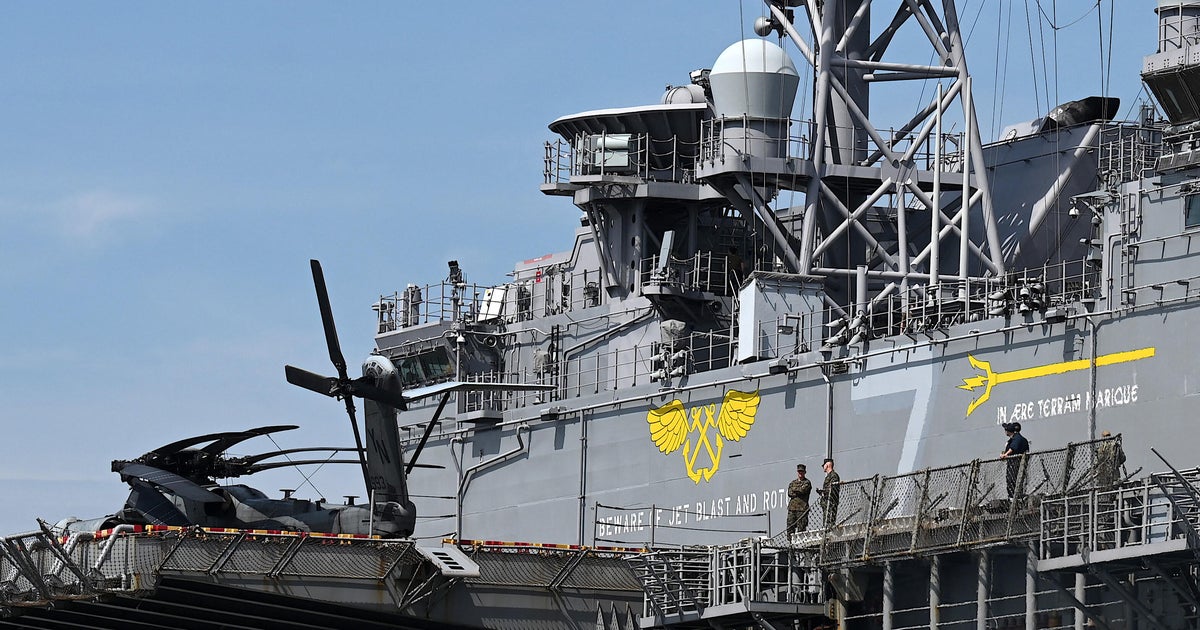
More than 3,500 U.S. troops, including ~2,500 Marines aboard the USS Tripoli, have been deployed to the Middle East as strikes intensify and CENTCOM reports >11,000 targets struck since Feb. 28. The conflict and Houthi entry (over 100 merchant vessels attacked, two sunk) have disrupted shipping routes — Bab el-Mandeb carries ~12% of global trade and the Suez ~10% (40% of container traffic) — and are driving higher oil and fuel prices and route diversions. This escalation is a material market shock likely to sustain risk-off flows, upward pressure on crude, freight rates and insurance premia, and increased volatility until maritime routes and regional tensions are resolved.
The immediate market impact is not just higher hydrocarbon prices — it's a reconfiguration of transport economics that benefits asset-light energy producers, large tanker owners and insurers while pressuring airlines and just-in-time manufacturers through higher freight, rerouting and insurance costs. Expect a multi-tier effect: spot freight and war-risk premiums spike within days, causing container and tanker spot rates to appreciate sharply; over 3-6 months higher logistics costs flow through to input inflation and widen margins for commodity producers with fixed-price sales.
Defense and security suppliers are positioned to capture sustained budget reallocation: incremental funding cycles (supplemental bills and urgent procurement) favor modular platforms, avionics and munitions with short build times — a faster cadence than carrier-scale projects. Conversely, carrier group vulnerability and extended repair cycles create second-order operational risk for naval-tasked insurers and OEMs that supply carrier-specific long-lead items, concentrating counterparty exposure in a handful of prime contractors.
Catalysts to watch are binary and horizon-dependent: near-term (days–weeks) moves will be driven by shipping disruptions and headline escalations; medium term (1–6 months) by formal diplomatic offers, large SPR releases or visible ceasefire mechanics that would compress risk premia; long-term (6–24 months) effects hinge on persistent rerouting that permanently changes fleet utilization and container fleet renewals. The market may be over-discounting perpetual disruption — contango, whipsaw demand and policy intervention are realistic reversal vectors that can remove a large portion of the upside in 30–90 days.
AI-powered research, real-time alerts, and portfolio analytics for institutional investors.
Request DemoOverall Sentiment
strongly negative
Sentiment Score
-0.70
