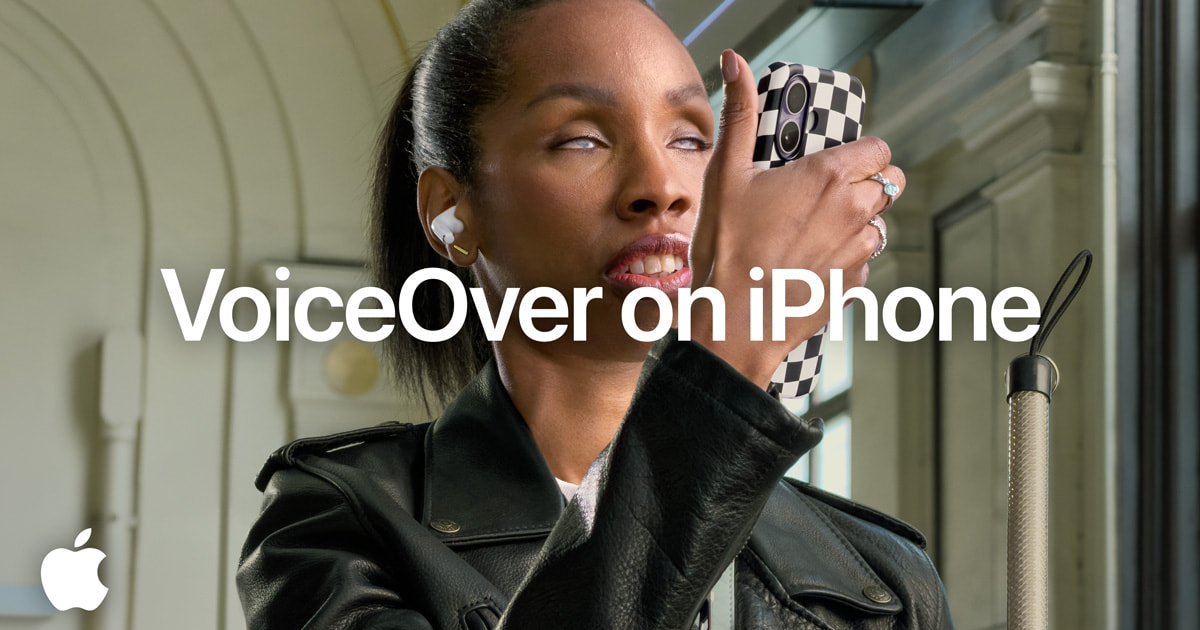
Apple previewed a broad accessibility update powered by Apple Intelligence, including enhanced VoiceOver and Magnifier descriptions, natural-language Voice Control, Accessibility Reader summaries and translation, and on-device generated subtitles for uncaptioned video. The company also announced a new Apple Vision Pro wheelchair-control feature and wider availability of the Hikawa Grip & Stand in three new colors. The news is constructive for Apple’s product ecosystem and accessibility positioning, but it is primarily a feature update rather than a material financial catalyst.
This reads less like a one-off accessibility announcement and more like a distribution strategy for embedding Apple Intelligence into high-frequency, everyday workflows. The edge is not the features themselves but the install-base leverage: accessibility surfaces are sticky, usage is habitual, and they create a low-friction path for users to experience on-device AI before it is fully monetized elsewhere. That makes this a quiet but meaningful reinforcement of Apple’s ecosystem moat, especially in categories where third-party AI apps would otherwise try to own the interface layer.
The second-order winner is Apple’s hardware platform economics, not just software goodwill. Features that improve hands-free control, visual search, and subtitle generation increase the perceived utility of newer devices with the right neural/compute stack, which can subtly pull upgrade demand forward over the next 2-4 quarters. The near-term monetization is limited, but the strategic benefit is higher retention and a better narrative around Apple Intelligence being practical rather than gimmicky.
SONY is the cleanest external beneficiary if the new controller support broadens accessibility gaming use cases, but this is likely a small-order effect rather than a thesis driver. More interesting is the risk that Apple’s privacy-first, on-device framing raises the bar for rivals: cloud-dependent assistive AI tools may look less secure and less responsive by comparison, pressuring niche accessibility software vendors and some wearable/interface startups. The main reversal risk is execution—if Apple Intelligence rollout is patchy by language or region, the market will treat this as another incremental demo rather than a feature that expands addressable demand.
The contrarian take is that consensus will underprice the cumulative effect of many small utility gains. Each feature looks marginal in isolation, but together they increase daily dependence on Apple’s interface layer and make switching costs feel higher, which matters more for valuation than a single app-level AI splash. If Apple can convert even a small portion of these users into broader Apple Intelligence adoption, the upside is in multiple expansion, not immediate earnings.
AI-powered research, real-time alerts, and portfolio analytics for institutional investors.
Request DemoOverall Sentiment
mildly positive
Sentiment Score
0.38
Ticker Sentiment
