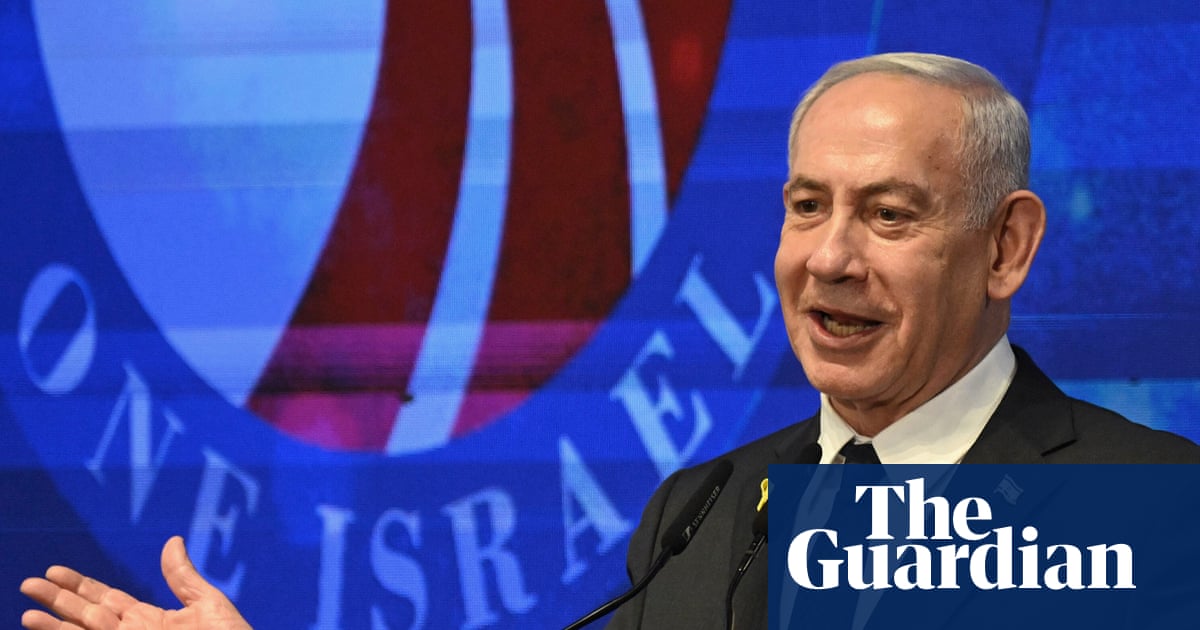
Prime Minister Netanyahu's recent call for Israel to adopt a 'super Sparta' model of militarization and economic autarky, coinciding with a Gaza ground offensive and increasing international scrutiny, immediately triggered a dip in the Tel Aviv stock market and a weakening shekel. This vision, coupled with a UN report alleging genocide and potential EU trade agreement suspension, has drawn warnings from economists and union leaders that such policies risk Israel's economic resilience and its standing among developed nations, exacerbating its diplomatic and economic isolation.
Prime Minister Netanyahu's articulation of a 'super Sparta' strategy, advocating for a militarized and economically self-sufficient Israel, has introduced significant uncertainty into the country's investment landscape. This policy pivot, announced amid a new ground offensive in Gaza, triggered an immediate negative market reaction, evidenced by a dip in the Tel Aviv stock market and a decline in the shekel against the dollar. The financial repercussions are compounded by escalating diplomatic isolation, highlighted by a damning UN report, a potential suspension of parts of the EU-Israel trade agreement, and growing international boycotts. A group of 80 prominent Israeli economists has explicitly warned that the current military and political trajectory threatens Israel's 'economic resilience' and its status among developed nations. While the government blames foreign actors for its isolation, significant domestic opposition from figures like the head of the Histadrut trade union and political opponents suggests a deep societal rift over this path. The government's stated goal of 'partial autarky' directly challenges the open, globally-integrated economic model that has historically supported Israeli assets, creating a new paradigm of heightened geopolitical and economic risk.
AI-powered research, real-time alerts, and portfolio analytics for institutional investors.
Overall Sentiment
strongly negative
Sentiment Score
-0.80
