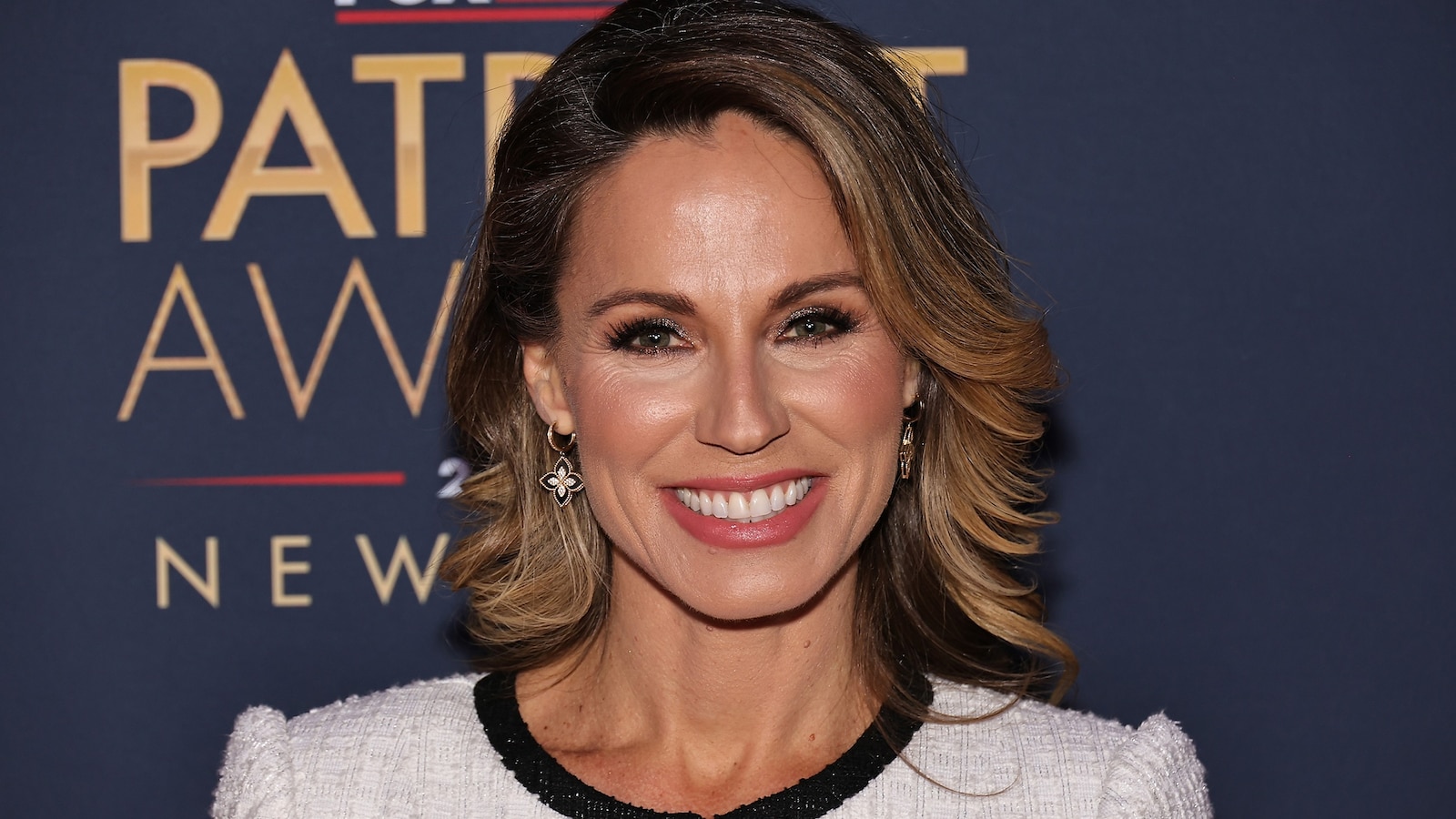
President Donald Trump nominated radiologist Dr. Nicole Saphier to serve as the next U.S. surgeon general, replacing prior nominee Dr. Casey Means after her Senate hearing. The pick is politically and health-policy relevant, but the article contains no direct market-moving financial implications. Market impact is likely limited to sentiment around healthcare policy and regulation.
This is less a healthcare-policy event than a signaling reset: a surgeon general with a breast-oncology and imaging pedigree would likely re-center the office on screening, early detection, and conventional public-health messaging rather than culture-war heuristics. The second-order winner is the diagnostics ecosystem — imaging centers, breast cancer screening workflows, and procedural device vendors — because any incremental push on adherence and earlier testing tends to raise utilization without requiring legislative change. In contrast, the more controversial the prior nominee, the higher the probability of a pendulum swing toward institutional medical consensus, which should compress perceived policy tail risk for managed-care and hospital operators. The key market variable is timing. Confirmation risk is now more about Senate bandwidth than ideology, so the catalyst window is measured in weeks, not months; if hearings move smoothly, healthcare-policy volatility should fade quickly. The reversal risk is political: if the nomination becomes a proxy fight over vaccine rhetoric or media ties, the administration could be forced back into a more partisan posture, reintroducing uncertainty around public-health messaging and potentially dragging on providers with exposure to government reimbursement debates. The contrarian read is that this is probably less bullish for large-cap pharma than the headline suggests. A stronger preventive-care narrative can improve screening volumes, but it also shifts emphasis toward earlier, lower-cost interventions and away from late-stage treatment intensity, which can modestly dilute growth assumptions for some oncology franchises over a multi-year horizon. The bigger near-term opportunity sits in names levered to volume, not pricing, and in pairs that benefit from lower headline policy risk rather than direct product exposure.
AI-powered research, real-time alerts, and portfolio analytics for institutional investors.
Overall Sentiment
neutral
Sentiment Score
0.05
