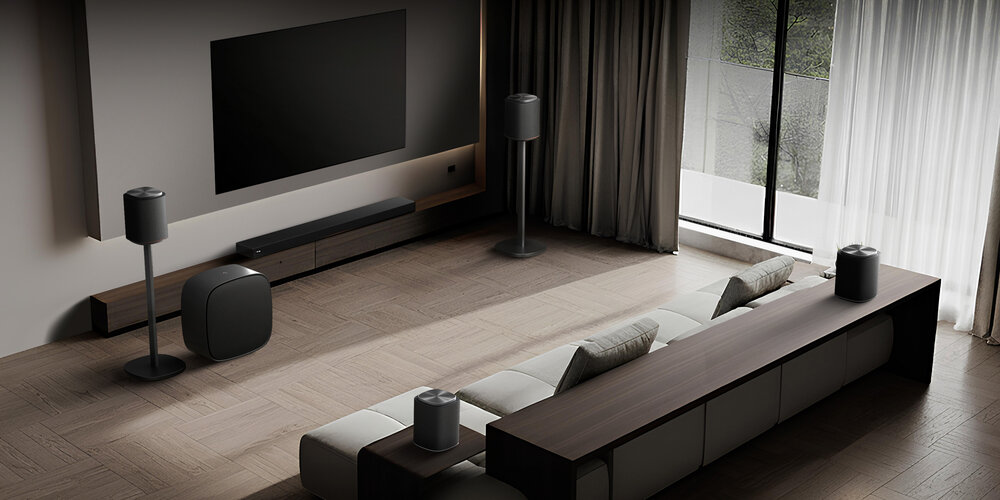
Dolby Laboratories and LG Electronics unveiled the LG Sound Suite and H7 soundbar, the first soundbar powered by Dolby Atmos FlexConnect, a wireless modular system that supports up to 27 speaker configurations including a 13.1.7 setup and compatibility with LG’s premium 4K Dolby Vision TVs; LG will debut the product at CES 2026 (Jan 6-9) and roll FlexConnect to select 2025 TV models via a future software update. The launch extends Dolby Atmos FlexConnect into a new device category and emphasizes easier, wire-free immersive audio for consumers, leveraging Dolby’s broad content footprint (100+ streaming/Pay-TV services and 93% of Billboard’s 2025 Top 100 artists) to potentially drive hardware adoption and licensing opportunities, though no financial guidance or revenue figures were disclosed.
Market Structure: Dolby (DLB) is a clear winner—this LG partnership broadens hardware addressable market into modular soundbars and TVs, reinforcing licensing and software-led revenue; expect modest share gains in premium home audio vs incumbents (Sonos, Bose) over 12–24 months. OEMs with large TV footprints (LG, Samsung) gain product differentiation; mid-tier soundbar pure-plays risk margin pressure as OEM-bundled experiences compress standalone pricing. Increased consumer demand for immersive audio should raise unit volumes for Atmos-capable devices by low-double-digits year-over-year if adoption follows CES momentum.
Risk Assessment: Tail risks include rapid commoditization of Atmos (licensing price erosion), interoperability fragmentation across OEMs, or LG hardware underperformance—any of which could cut DLB revenue by >10% vs base-case over 2 years. Immediate catalysts include CES (Jan 6–9, 2026) and holiday sales; downside catalysts include weaker-than-expected LG sales or negative reviews of the H7. Hidden dependencies: adoption requires firmware updates, channel marketing and retailer promotions—execution risk for OEM partners over next 3–9 months.
Trade Implications: Tactical buy DLB (establish 2–3% long position) on pullbacks up to 5% with 10% stop; target +20% in 6–12 months driven by licensing and content tailwinds. Pair trade: long DLB vs short SONO (Sonos) 1:1 (small sizes) as modular OEM solutions pressure standalone makers over 6–12 months. Options: buy DLB 6–9 month 15% OTM call spread to cap premium (size 0.5–1% portfolio risk); near-term event play: small allocation to Jan 2026 calls ahead of CES only if implied vol < historical 90th percentile.
Contrarian Angles: Consensus may underweight execution risk—DLB upside is contingent on LG selling premium SKUs; if sales skew lower-priced TVs, licensing per-unit can stagnate. Historical parallel: DTS vs Dolby—winning technologies can still have long adoption tails; conversely, Dolby’s entrenched studio relationships make licensing stickier than pundits expect. Watch for margin compression if Dolby reduces fees to drive OEM penetration—this would be a structural risk to free cash flow in 2027–2028.
AI-powered research, real-time alerts, and portfolio analytics for institutional investors.
Request DemoOverall Sentiment
mildly positive
Sentiment Score
0.35
Ticker Sentiment
