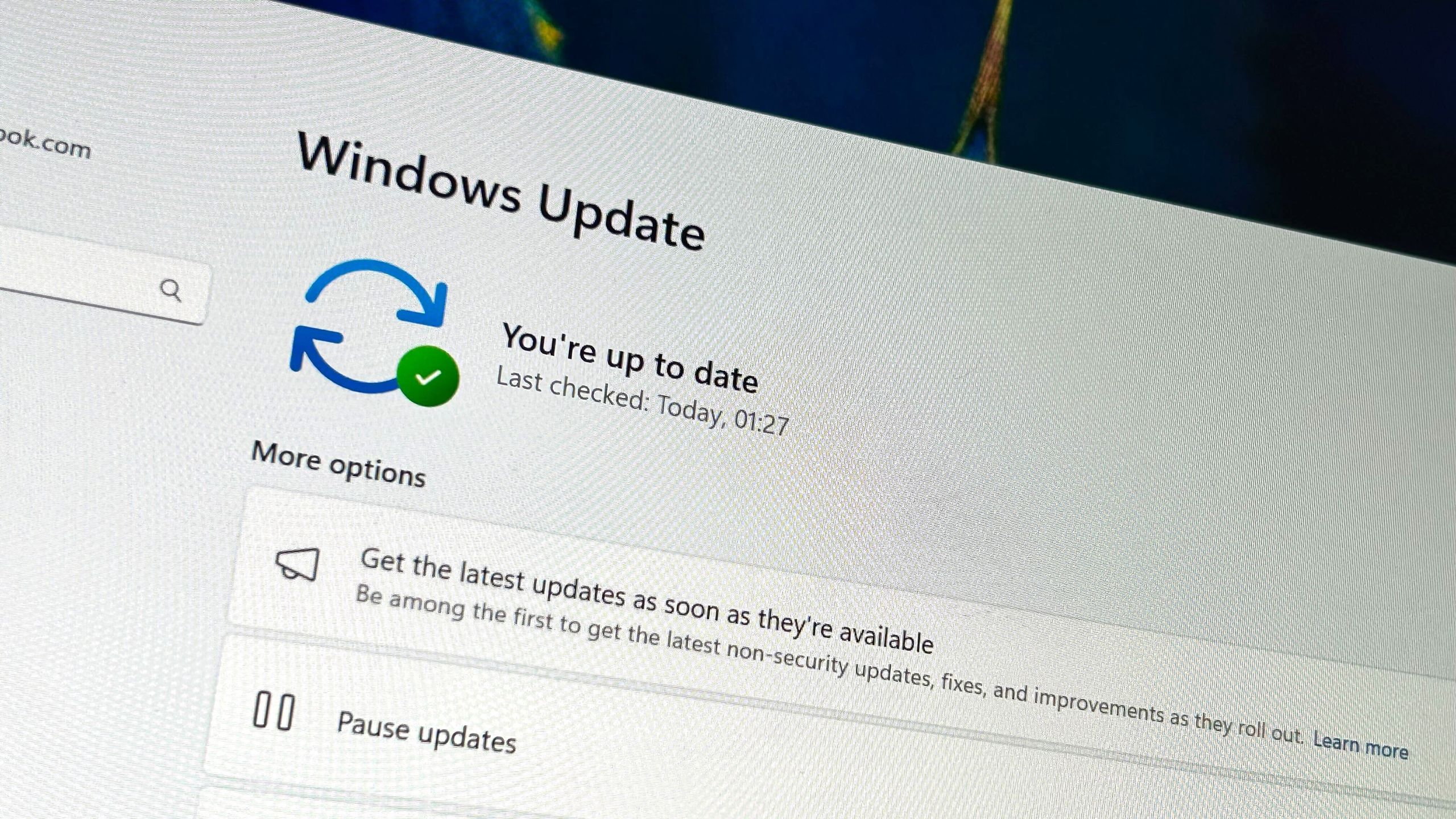
Microsoft released Patch Tuesday update KB5074109 for Windows 11 (24H2 and 25H2), addressing several stability and security issues including a fix for NPUs that stayed powered when idle (improving battery life), networking fixes for WSL mirrored networking and Azure Virtual Desktop RemoteApp failures, and an update to WinSqlite3.dll to prevent false vulnerability detections. The update also removes several legacy modem drivers, introduces phased automatic Secure Boot certificate targeting, and disables WDS hands‑free deployment by default, which could require IT/OEM adjustments. These are operational and security-oriented changes with limited direct market impact but warrant attention from enterprise IT, device OEMs, and customers using affected modem hardware or deployment workflows.
Market structure: This Windows 11 Patch Tuesday is a small positive for Microsoft (MSFT) and OEMs (HPQ, DELL) because fixes to NPU power draw and WSL/AVD networking raise device reliability and reduce churn; expect a modest lift to enterprise renewals and notebook sell-through (order-of-magnitude: single-digit % revenue tailwind across quarters). Vendors of device-management and endpoint tools (VMW, MSFT Intune consolidation) are secondary beneficiaries as WDS hardening raises migration demand; legacy modem-dependent industrial hardware makers face direct customer support cost increases and potential attrition.
Risk assessment: Tail risk is a buggy patch creating a large-scale outage or bricking older devices—low probability but high impact (could shave 2-5% off MSFT market cap in days). Immediate window (days) is highest risk for update-related incidents; short-term (weeks–months) is enterprise adoption cadence; long-term (quarters) benefits from improved platform trust. Hidden dependency: OEM firmware interactions and third‑party AV signatures (WinSqlite3) could create unpredictable vendor-specific failures.
Trade implications: Tactical positions should be small and event-driven. Favor modest long MSFT risk to capture incremental Azure/Windows stickiness, paired with targeted exposure to endpoint-management beneficiaries (VMW). Use defined-risk option structures to express conviction and protect against patch-related volatility in the next 30 days.
Contrarian angle: The market is underpricing the long-term value of incremental reliability improvements—phased Secure Boot cert management is a structural step toward stronger hardware trust, which should support TPM/secure‑boot ecosystems (NXPI, STM) over 6–18 months. Conversely, the near-term consensus underestimates the likelihood of a localized rollback event; size positions accordingly and prioritize liquidity.
AI-powered research, real-time alerts, and portfolio analytics for institutional investors.
Request DemoOverall Sentiment
neutral
Sentiment Score
0.12
Ticker Sentiment
