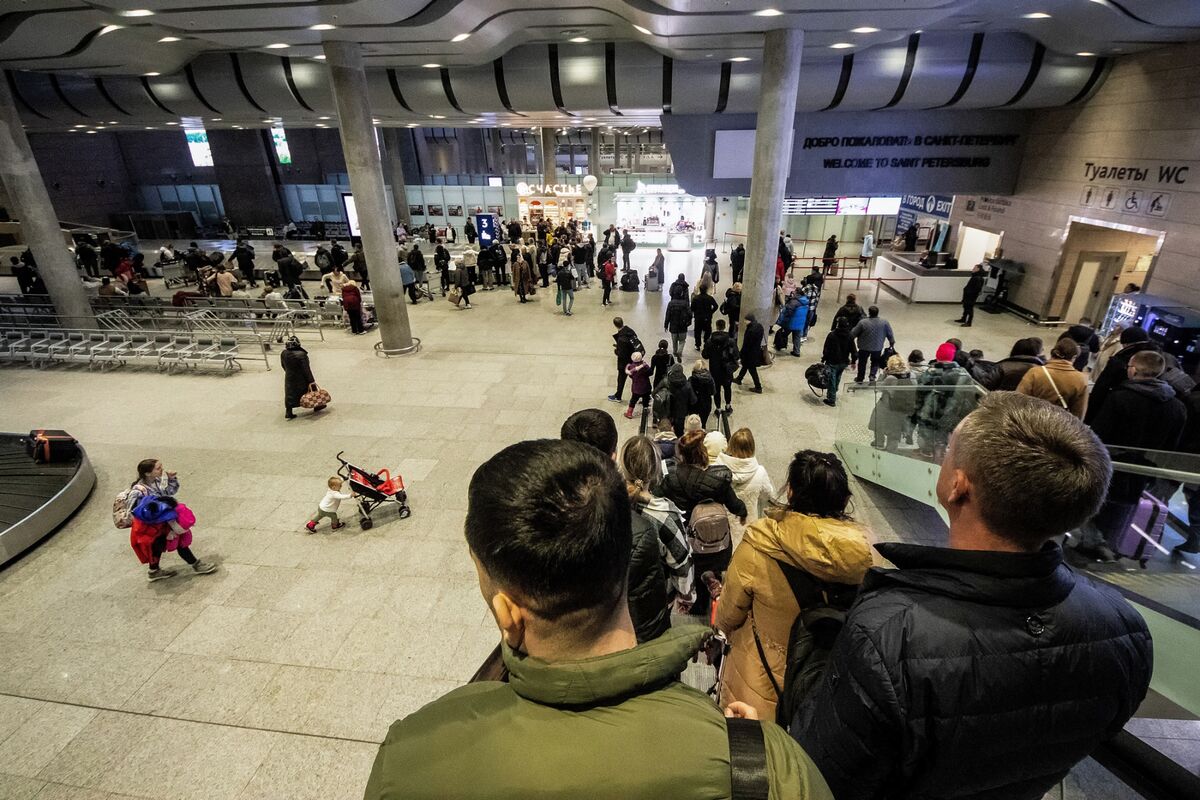
Russian President Vladimir Putin signed an order permitting Chinese citizens to enter Russia visa-free for up to 30 days for business and tourism starting Monday, with the measure effective until Sept. 14 of next year. The order still requires visas for certain groups such as journalists and students; the step signals a near-term easing of travel barriers that could modestly lift cross‑border business travel, tourism receipts and short‑term service-sector flows between the two countries while reflecting deeper bilateral ties.
Market structure: The visa‑free window (30 days through Sept 14 next year) is a targeted demand stimulus for Russia’s travel, regional aviation, hospitality, duty‑free and border retail sectors and for Chinese OTAs/payment rails that facilitate bookings and payments. Expect a concentrated demand bump — I estimate a near‑term 2–5% uplift in total Chinese outbound visitors to Russia and localized hotel/airfare rate increases of 5–15% in key cities (Moscow, St. Petersburg, Vladivostok) over the next 1–3 months, with negligible immediate impact on global energy demand.
Risk assessment: Tail risks dominate — a sanctions shock, payment‑rail disruptions (UnionPay/MIR acceptance issues), or reciprocal visa/political retaliation could wipe out gains; these are low probability but high impact. Timewise: watch immediate booking cadence (days–weeks), flight seat inventory and payment integration (weeks–months); structural trade/energy shifts would take quarters–years. Hidden dependencies include carrier capacity (slots/airbridges), third‑party insurers and travel advisories that can blunt tourist flows.
Trade implications: Tactical plays should favor Chinese travel ecosystem (OTA/bookings + payment processors) and small FX exposure to RUB rather than direct Russian equities due to sanctions tail risk. Short‑dated call spreads on Chinese OTA names tied to outbound travel (3–6 month expiries) and 30–90 day RUB calls capture most upside while limiting downside; avoid material long exposure to Russia‑listed banks/energy until legal clarity for at least 30–90 days.
Contrarian angle: The market will likely overstate headline geopolitics and either underprice execution frictions (payments, flights) or overprice Russian equity upside. Historical visa‑liberalization cases (Korea, Turkey) produced sharp but short‑lived tourism spikes; if Russia’s policy remains temporary or operationally constrained, sentiment gains will fade within 2–3 months. Unintended consequence: short, unmanaged tourism surges can degrade service quality and reputational appeal, capping repeat visits.
AI-powered research, real-time alerts, and portfolio analytics for institutional investors.
Request DemoOverall Sentiment
neutral
Sentiment Score
0.12
