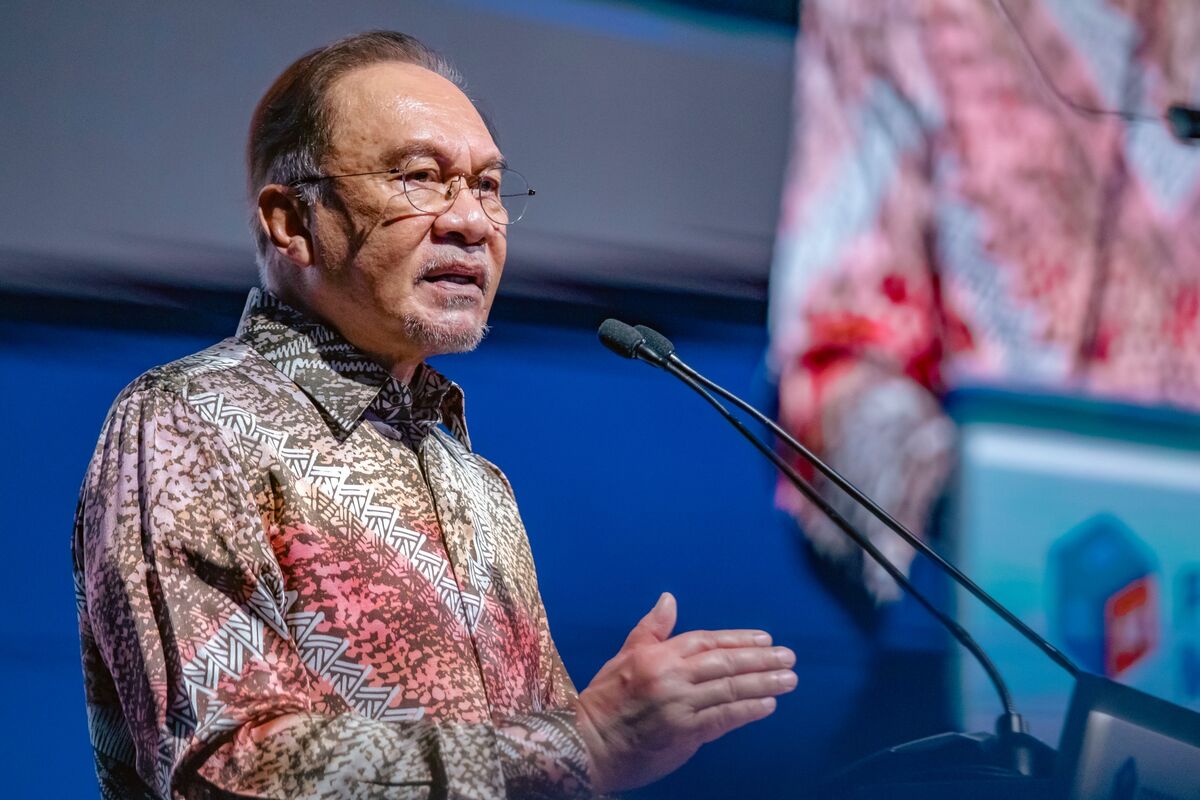
One of seven Malaysian-owned commercial vessels previously stranded in the Strait of Hormuz has been granted safe passage and is en route to its destination. The development followed high-level diplomacy: Prime Minister Anwar Ibrahim spoke with Iranian President Masoud Pezeshkian on March 26, and Malaysia's Foreign Minister Mohamad Hasan spoke with Iran's Abbas Araghchi on March 24. The immediate market impact appears limited, reducing a short-term shipping/operational risk for Malaysian carriers and regional transit routes.
The market is likely to reprice the marginal cost of using the Strait of Hormuz rather than treating it as an all-or-nothing tail event. Even a small reduction in perceived transit risk compresses insurance war-risk add-ons and detour premiums, which for typical crude voyages can represent 5–15% of voyage economics; that margin flows almost entirely to charterers and refiners, not to crude producers. Expect container and short-haul bulk lines that historically re-routed around GCC waters to realize immediate cashflow relief on a per-voyage basis, tightening their near-term working capital needs and improving schedule reliability for Asia-Europe/Asia-Med lanes within 30–90 days.
Second-order winners include regional hub ports and integrated logistics providers that capture embedded savings from lower delay risk — those savings compound across tens of thousands of TEUs annually and show up as lower demurrage exposure and higher throughput conversion rates. Conversely, public tanker owners and pure-play marine insurers carry the most direct downside: dayrates for tankers are driven by both physical demand and a risk premium component that can swing 20–40% on reduced geopolitical freight fear. Also watch bunker suppliers and re-routing service providers who lose the extra 5–15% fuel and transit-margin tail they earned during heightened tensions; that will depress ancillary shipping revenues over the next 1–3 quarters.
Tail risks remain non-trivial: selective detentions, episodic harassment, or sudden sanctions re-tightening could re-inflate premiums in days, resetting charters and insurance cycles and causing rapid rate spikes. Key near-term catalysts that could reverse the trend are credible military incidents, major insurance market statements reinstating Gulf war-risk bands, or a single high-profile seizure that re-imposes a systemic reroute, each capable of moving tanker dayrates ±30% within a week. From a portfolio construction standpoint, the current environment favors asymmetric option hedges and short-duration directional exposure rather than large, long-dated outright positions given episodic volatility and political unpredictability.
AI-powered research, real-time alerts, and portfolio analytics for institutional investors.
Request DemoOverall Sentiment
neutral
Sentiment Score
0.05
