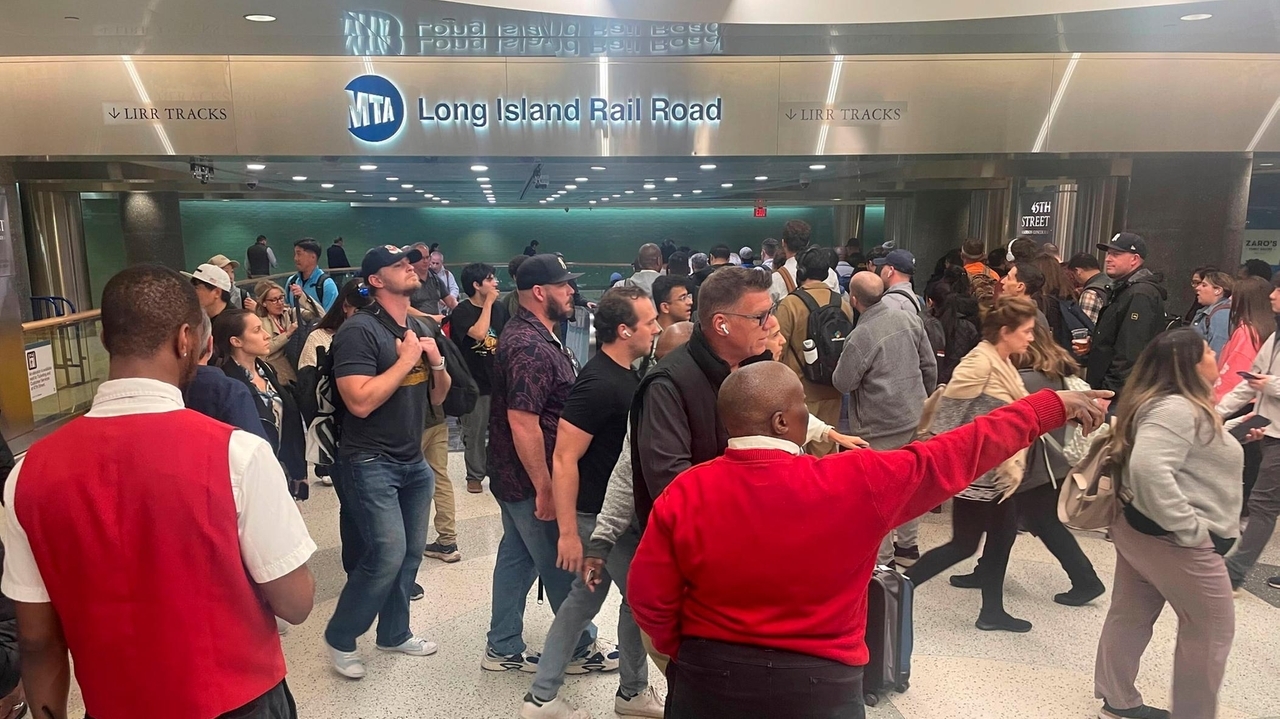
A potential Long Island Rail Road strike could begin at 12:01 a.m. Saturday if MTA and union talks fail, threatening service for tens of thousands of commuters. The key sticking point is a fourth-year compensation proposal the unions call a 'gimmick,' while the MTA warns that exceeding budgeted labor costs could force higher fares, service cuts, or job reductions. The MTA is preparing to wind down service Friday evening and offer limited shuttle-bus alternatives if no deal is reached.
The market is underpricing how quickly a transit work stoppage translates into a broader liquidity shock for the NYC commuter economy. The first-order hit is obvious—fare revenue and ridership—but the second-order impact is more important: same-day drag on Midtown retail, restaurant, and services demand, plus a disproportionate hit to firms with just-in-time labor scheduling that depends on predictable rail access. The longest-duration loser is the MTA itself, because any concession made under deadline pressure sets a labor-cost floor that compounds into future budget gaps and raises the probability of either fare increases or service cuts. From a trading perspective, the event is a binary catalyst with a short fuse and asymmetric tail risk. The market should react more to the probability of a multi-day disruption than to the strike headline itself: even a one- or two-day shutdown can create measurable congestion spillovers into rideshare, toll roads, parking, and local delivery networks, while a prolonged stoppage would pressure local consumer-facing equities and travel-adjacent names. Conversely, a last-minute deal likely triggers a relief rally in the most struck-sensitive proxies, but that rebound should fade unless the agreement removes the risk of follow-on labor actions. The contrarian read is that the public stalemate may be useful bargaining theater rather than a clean read on resolution odds. Because both sides have strong incentives to avoid being blamed for a shutdown, the probability mass may still sit in a late compromise; however, the closer they get to the deadline, the more likely the eventual settlement is to be expensive for the issuer and therefore incrementally negative for long-dated fiscal optics. The real medium-term consequence is not the strike itself but the precedent it sets for labor leverage across the MTA complex, which can widen discount rates on municipal-capex beneficiaries and tighten the fiscal room for transit investment over the next 6-18 months.
AI-powered research, real-time alerts, and portfolio analytics for institutional investors.
Overall Sentiment
moderately negative
Sentiment Score
-0.45
Ticker Sentiment
