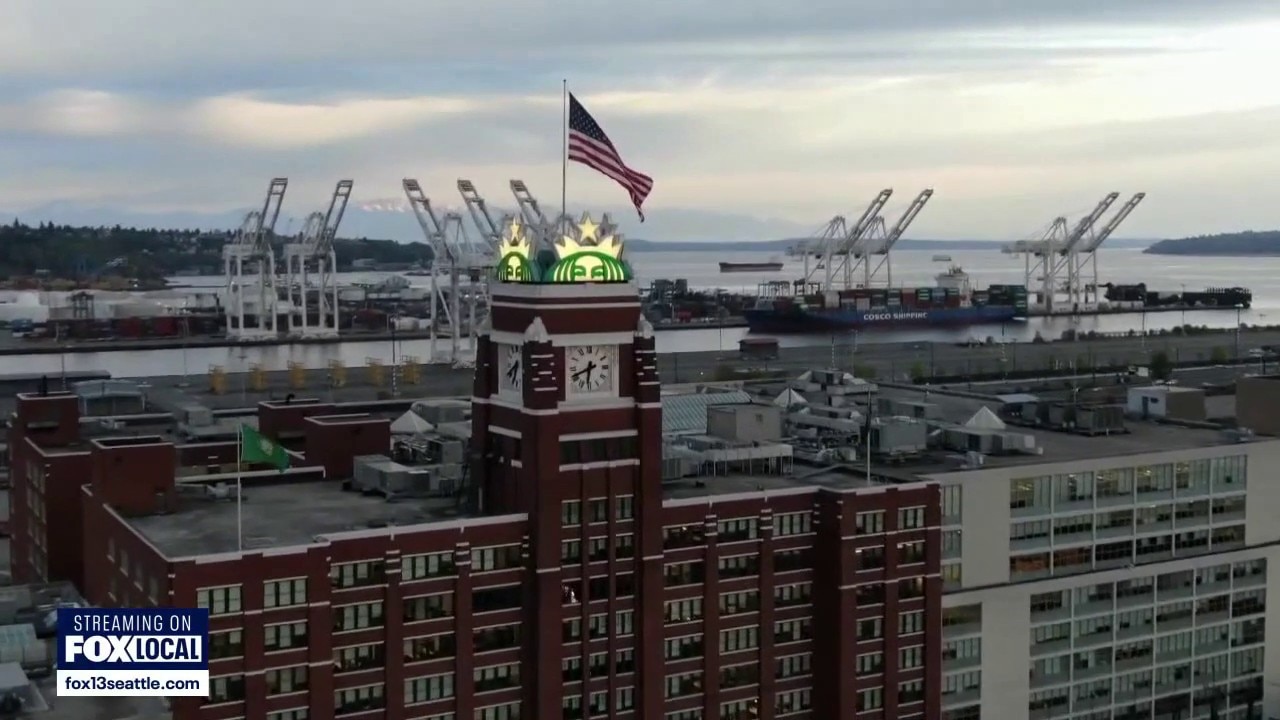
Washington could lose up to $750 million in tax revenue over the next two decades as Starbucks shifts a major corporate expansion to Nashville, where it plans to invest $100 million and add 2,000 jobs by 2027. The move underscores a tax and business-climate advantage for Tennessee, with estimated tax savings of about $12,000 per employee per year versus Seattle. The impact is more fiscal and local-economic than market-wide, but it signals a potentially longer-term cost to Washington.
The immediate market read-through is not a first-order hit to Starbucks earnings, but a slow-burn pressure on valuation as the company’s cost structure increasingly reflects a higher-tax, higher-regulation operating base in Seattle while the growth engine migrates to lower-friction jurisdictions. The more important second-order effect is organizational: HQ clustering drives vendor spend, legal/finance talent, and executive decision rights; once those functions start decoupling, the economic leakage to the home state compounds over multiple budget cycles rather than in a single headline quarter.
For Washington, the risk is less about one company and more about signaling. If a flagship employer can arbitrage tax and labor costs by moving incremental corporate growth elsewhere, it strengthens the hand of every other large cap evaluating footprint expansion, especially those with mobile back-office roles and above-median compensation. That creates a potentially self-reinforcing loop: weaker local growth reduces the tax base, which increases political pressure for higher rates or new levies, which further worsens the relative attractiveness of the state.
The contrarian point is that this may be more of a capex/footprint reallocation than a true economic exodus. Starbucks still benefits from Seattle’s brand halo and existing ecosystem, so the marginal move to Tennessee does not automatically impair near-term store economics or global demand. The bigger risk for SBUX is narrative discounting: if investors start to view the company as a politically “moving target,” it can raise the odds of activist noise, labor friction, and valuation compression even if fundamentals remain intact over the next 4-8 quarters.
AI-powered research, real-time alerts, and portfolio analytics for institutional investors.
Overall Sentiment
mildly negative
Sentiment Score
-0.25
Ticker Sentiment
