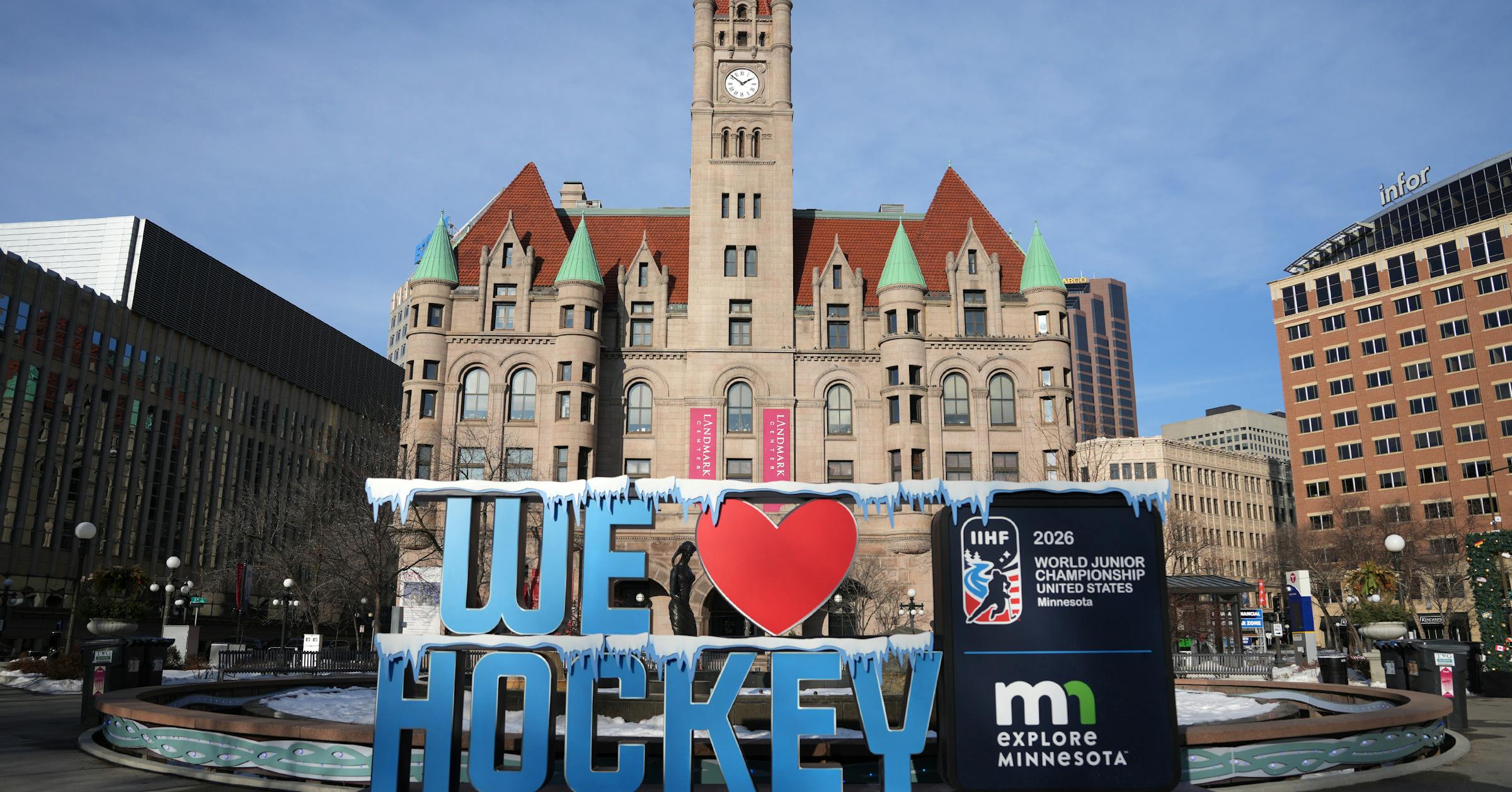
St. Paul is leveraging the International Ice Hockey Federation World Junior Championship (Dec. 26–Jan. 5, 29 games) and seasonal events to jump-start downtown commerce, with fan activity centered on Grand Casino Arena and RiverCentre attractions. City leaders have pitched a major renovation of the NHL arena complex — an original $769 million plan was pared to $488 million in May but has not been approved; proponents hope the project will return to the upcoming legislative session as a catalyst for hotel, dining and retail demand. The short-term influx of thousands of fans offers a test case for sustained tourism-driven revitalization, while the unresolved public funding proposal leaves the longer-term economic impact uncertain.
Market structure: Short, repeatable events (World Junior Championship) create measurable but transient upside for downtown hotels, restaurants, transit and arena concessions — expect downtown St. Paul ADR and F&B revenues to rise ~5–15% on event weekends but negligible change to baseline unless “stickiness” converts to sustained occupancy. Direct winners are hospitality REITs, regional casino/entertainment operators and construction contractors bidding on a $488–$769M renovation; losers are competing suburban entertainment venues and municipal credit if the city issues large debt. Cross-asset: a funded project would likely push local muni issuance (+$400–$800M) and could widen Minnesota muni spreads by 10–25bps near term; modest positive for short-term construction material names and OEMs (3M/MMM) through 12–24 months.
Risk assessment: Tail risks include legislative defeat (probability ~40% given prior scale-backs), cost overruns ( >25% common on arena projects) and tribal/operational disputes that could delay construction 12–36 months. Time horizons: immediate (days) — transient revenue spikes from the tournament; short-term (30–120 days) — legislative votes and construction contracting awards; long-term (1–5 years) — permanent demand uplift if renovation is completed and anchors relocate. Hidden dependencies: hotel supply elasticity, university event calendars and anchor-tenancy commitments; catalysts are legislative appropriation votes, private partner commitments and documented YoY occupancy lifts >10% during events.
Trade implications: Favor tiny, event-driven longs in hotel/hospitality exposure and small asymmetric exposure to industrials tied to construction. Use options to limit downside: buy 3–9 month call spreads on HST (hospitality) sized to 1–1.5% portfolio risk and small OTM calls on MMM (3M) sized to 0.5–1% as an idiosyncratic materials play. Reduce long-duration exposure to Minnesota/municipal debt by ~20% if legislature signals >$400M issuance; re-enter on a 10–25bp pullback in yields.
Contrarian angles: Consensus assumes events are one-offs; the miss is underestimating how a completed arena can lift downtown real estate values and ADRs sustainably by 5–10% over 3–5 years if paired with mixed-use development. Reaction is underdone in equities of regional hospitality and overdone in muni complacency — muni spreads could widen while select REITs re-rate higher on a realized project. Historical parallels: civic arena projects (e.g., Nashville, 2010s) show outsized local hospitality gains but multi-year political fights; downside is multi-year delays that leave event-driven names exposed to reversion.
AI-powered research, real-time alerts, and portfolio analytics for institutional investors.
Request DemoOverall Sentiment
mildly positive
Sentiment Score
0.25
Ticker Sentiment
