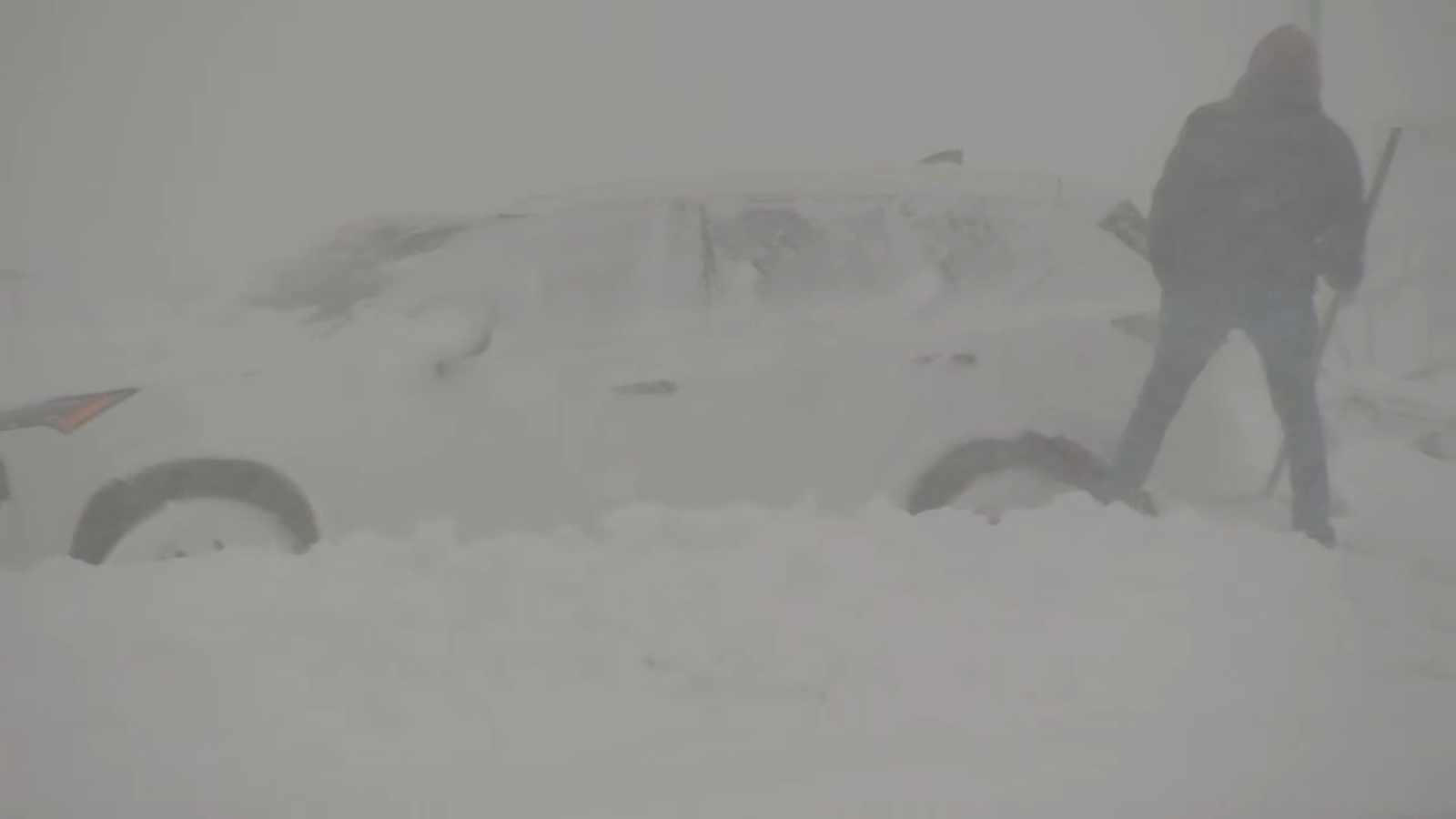
New Jersey declared a statewide state of emergency and the first blizzard warning covering all 21 counties in three decades, with over a foot of snow reported by Monday morning and the travel ban extended to noon. The governor ordered widespread travel restrictions including a commercial vehicle ban and major reductions in transit service (NJ Transit buses/light rail and rail suspended), while DOT and utilities deployed thousands of workers, 4,500 pieces of equipment and more than 450,000 tons of salt in anticipation of downed trees, whiteouts and widespread power outages. The storm poses localized operational risks to transportation, utilities and supply chains in the region and could cause temporary disruptions to energy delivery and logistical operations, though broader market impact is likely limited and regional in scope.
Market structure: Winners include salt/road-treatment suppliers (Compass Minerals CMP), home‑improvement retailers (LOW, HD), and short‑dated Northeast natural gas/power forwards (Algonquin/NYISO basis, traded via regional gas futures or UNG). Losers are regional transportation (AAL, LUV, JBHT) and short‑term retail footfall in NJ; utilities (DUK, PPL, ED) face outage/repair costs but typically have regulatory recovery. Expect low‑mid single‑digit volume bumps for CMP/HD over 2–8 weeks and 5–15% intramonth moves in Algonquin basis if outages persist beyond 48–72 hours.
Risk assessment: Tail risks include prolonged coastal flooding, multi‑day transmission failures, or hurricane‑force wind losses that produce >$500m insured damage regionally and trigger regulatory reviews; probability low (5–10%) but high impact. Immediate (0–7 days): transit shutdowns, power outages, short gas/power price spikes. Short term (weeks): repair capex, supply‑chain delays for retail/restock; long term (quarters): utility rate cases and insurance loss provisions. Hidden dependencies: Algonquin pipeline constraints, mutual‑aid crew availability, and municipal budget pressure for cleanup.
Trade implications: Direct plays: establish 1–2% AUM long in front‑month natural gas call spreads (buy ATM, sell +15–25% strike) to capture a localized heating spike (exit 7–14 days or if NG front‑month rises >20%). Establish 2–3% long positions in HD or LOW for a 4–12 week post‑storm demand lift; establish 1–2% long CMP for salt demand over 1–3 months. Short 0.5–1% positions in regional airlines (AAL, LUV) or JBHT for 1–4 week operational disruption. Rotate overweight to staples/utilities (XLU) and underweight transports for 2–6 weeks.
Contrarian angles: The market may overstate long‑term utility/insurance pain; regulated utilities (NEE, DUK) often recover storm costs—buy on >5% pullbacks and yield >3.5% for a 3–12 month hold. Historical parallel: 1996 blizzard produced short disruption but boosted repair and retail spend for months. Watch for oversupply of contractor labor or fertilizer/salt logistics constraints; if CMP inventories rise >10% QoQ, trim position.
AI-powered research, real-time alerts, and portfolio analytics for institutional investors.
Request DemoOverall Sentiment
moderately negative
Sentiment Score
-0.50
